
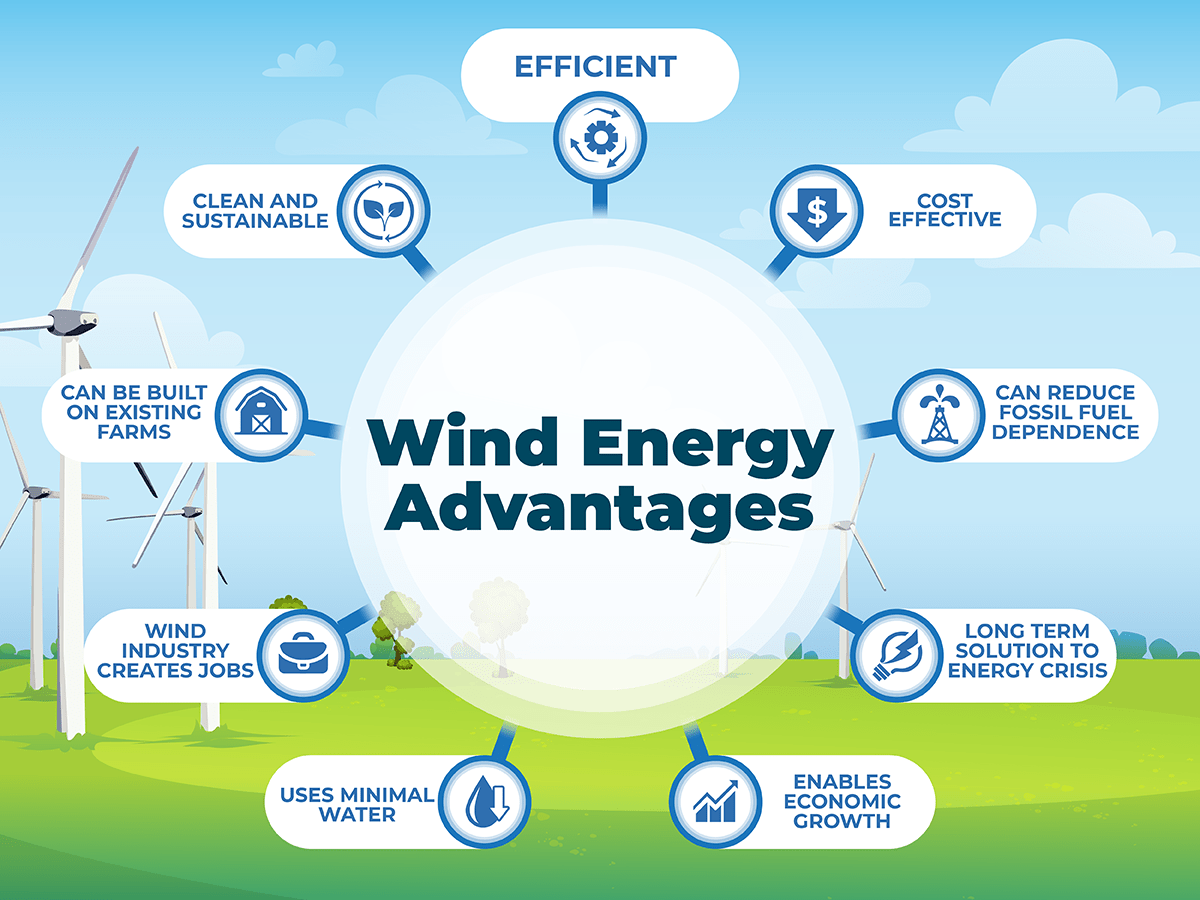
Wind energy provides a renewable source of electricity that can cut greenhouse‑gas emissions and boost energy security, yet its intermittency, land use, and wildlife impacts require careful management.
Quick Answer
Wind energy converts the kinetic energy of moving air into electricity using turbines that spin a generator. Robust assessments from the Intergovernmental Panel on Climate Change (IPCC, 2021) and the International Energy Agency (IEA, 2022) show that wind power avoids millions of tonnes of CO2 annually and can supply a growing share of global electricity without direct emissions. However, because wind is variable, reliable integration depends on storage, grid upgrades, and site‑specific ecological assessments, meaning benefits are strongest when combined with complementary technologies.
Key Takeaways
- Wind energy is a mature, renewable technology that generates electricity without burning fossil fuels.
- Life‑cycle analyses consistently find that wind power emits less than 15 g CO2‑eq kWh⁻¹, far lower than coal or natural gas.
- Intermittent output requires storage, demand‑response, or backup generation to maintain grid stability.
- Well‑planned projects can minimize impacts on birds, bats, and local communities, but inadequate siting can cause significant ecological and social conflicts.
- Policy support, transparent permitting, and community benefit sharing are essential for scaling wind responsibly.
What Is The Real Benefits and Drawbacks of Wind Energy?
Wind energy refers to the harnessing of atmospheric motion—wind—to produce electricity. Modern utility‑scale wind farms consist of dozens to hundreds of horizontal‑axis turbines, each typically rated between 2 and 5 MW. The term covers on‑shore installations (often on agricultural or open‑land sites) and off‑shore farms sited in coastal waters where wind speeds are higher and more consistent. Unlike fossil‑fuel generation, wind draws on a virtually inexhaustible resource, making it a cornerstone of low‑carbon energy transitions.
How Does It Work?
Physical conversion process
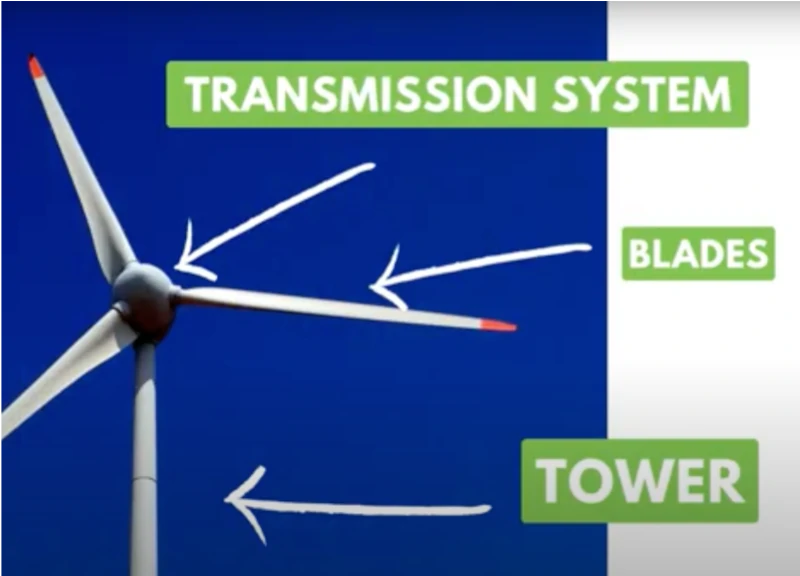
- Wind passes over turbine blades, creating lift that rotates the rotor.
- The rotor drives a low‑speed shaft connected to a gearbox, which increases rotation speed.
- The high‑speed shaft turns an electrical generator, producing alternating current.
- Power electronics convert the output to grid‑compatible electricity, which is then transmitted via cables.
System‑level integration
Because wind speed varies over seconds to seasons, operators use forecasting tools, regional balancing markets, and ancillary services (e.g., frequency regulation) to match supply with demand. Energy storage technologies such as batteries or pumped hydro, and flexible demand (e.g., industrial load shifting), help smooth the variability.
What Does the Evidence Show?
Multiple lines of evidence confirm that wind power delivers substantial climate benefits. A 2020 systematic review of life‑cycle assessments (IEA, 2020) found average emissions of 11–12 g CO2‑eq kWh⁻¹ for on‑shore wind and 6–7 g CO2‑eq kWh⁻¹ for off‑shore wind, compared with 820 g CO2‑eq kWh⁻¹ for coal. Long‑term monitoring by national grid operators in Europe and the United States shows that wind now contributes roughly 7–10 % of total electricity generation (U.S. EIA, 2023; Eurostat, 2022). Studies of employment highlight that each gigawatt of installed capacity supports 1,500–2,000 full‑time jobs across manufacturing, construction, and operations (IRENA, 2021).
Ecological research presents a more nuanced picture. Meta‑analyses of bird and bat collision data indicate that well‑sited turbines cause mortality rates comparable to other anthropogenic threats, but that avoidance of major migratory corridors can reduce impacts by 70 % (Kuvlesky et al., 2020). Noise and visual impact studies report mixed community responses; acceptance improves when projects provide local benefit funds and participatory planning (Wolsink, 2019).
Main Causes or Drivers
Policy and market incentives
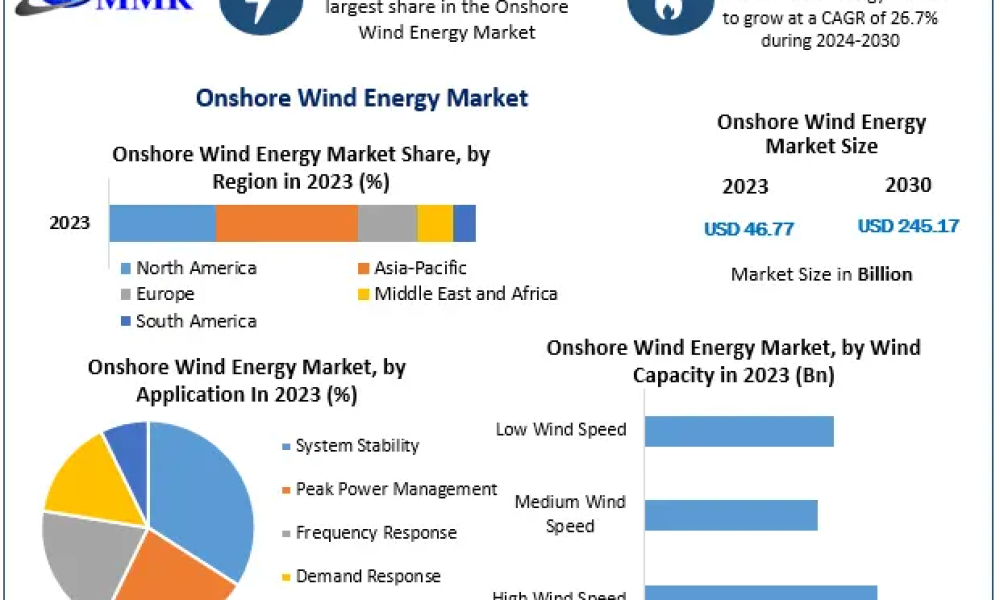
Renewable portfolio standards, feed‑in tariffs, and auction mechanisms have driven rapid capacity growth worldwide. The IEA reports that cumulative wind capacity rose from 120 GW in 2000 to over 770 GW in 2022, largely due to supportive policies.
Technological advances
Improvements in blade aerodynamics, taller towers, and larger rotors have lowered the levelized cost of electricity (LCOE) for wind to below $40 MWh⁻¹ in many regions (IEA, 2022), making it competitive with fossil fuels without subsidies.
Resource availability
Geographic wind patterns—such as the strong westerlies over the North Atlantic or the monsoon‑driven breezes in parts of Asia—determine where wind farms are economically viable.
Environmental and Human Impacts
Environmental Impacts
- Climate mitigation: Direct emissions are negligible; life‑cycle analyses show a >95 % reduction in CO2 compared with coal.
- Land use: Turbines occupy a small footprint; the surrounding land often remains available for agriculture or grazing.
- Wildlife: Collision risk for birds and bats is the most cited concern; mitigation includes siting away from migration paths and turbine curtailment during peak activity periods.
- Noise and visual impact: Low‑frequency sound can affect nearby residents; modern designs and setback distances mitigate most complaints.
Human Health and Social Impacts
- Reduced air‑pollutant exposure (e.g., SO₂, NOₓ) improves respiratory health in regions that replace fossil‑fuel plants.
- Job creation benefits rural economies, though skill requirements may shift labor demand toward technical trades.
- Community opposition can arise from perceived loss of landscape value; transparent benefit‑sharing schemes often improve acceptance.
Economic and Infrastructure Impacts
- Initial capital costs are high, but operating costs are low; LCOE has declined by ~40 % since 2010.
- Transmission upgrades are frequently needed to connect remote wind resources to demand centers, adding to overall project cost.
Regional Differences
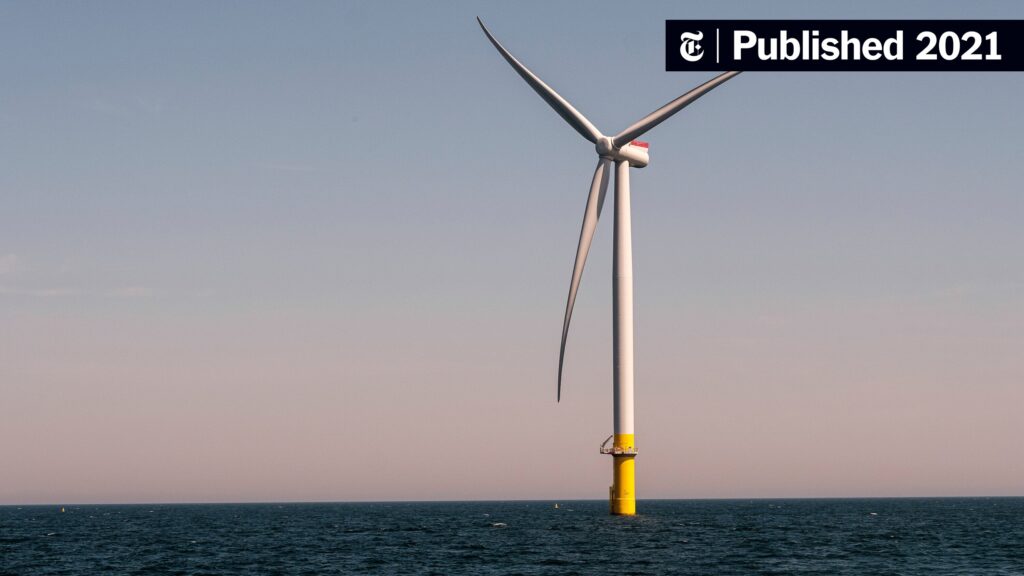
In Europe, dense offshore wind farms in the North Sea benefit from strong, consistent winds and existing grid interconnections, leading to capacity factors of 45‑55 %. In contrast, on‑shore wind in the central United States averages 30‑35 % capacity factor due to variable wind regimes. Tropical regions, such as parts of Brazil, face higher humidity and storm risk, requiring corrosion‑resistant materials. Indigenous communities in Canada have highlighted the need for culturally appropriate consultation when siting turbines on traditional lands.
What Scientists Know With High Confidence
- Wind turbines generate electricity without direct CO2 emissions.
- Life‑cycle greenhouse‑gas emissions from wind are among the lowest of all energy sources.
- Economic competitiveness of wind has improved dramatically, with LCOE comparable to natural‑gas in many markets.
- Improper siting can increase bird and bat mortality, but mitigation measures are effective when applied.
What Remains Uncertain
Key uncertainties include the long‑term durability of offshore turbine foundations under climate‑induced sea‑level rise, the cumulative regional effects of large‑scale wind deployment on atmospheric circulation, and the cost‑effectiveness of emerging storage solutions needed for high‑penetration scenarios. Better long‑term monitoring and integrated climate‑energy modeling are required to reduce these gaps.
Common Misconceptions
Misconception: Wind turbines produce no electricity when the wind is calm.
Reality: Turbines have a cut‑in speed (typically 3–4 m s⁻¹) below which they generate little power, but modern designs capture energy across a broad wind‑speed range, and grid operators balance output with other sources.
Misconception: Wind farms destroy large amounts of farmland.
Reality: The turbine footprint is small (≈0.01 ha per turbine); the surrounding land remains usable for crops or grazing, and many farmers lease land for additional income.
Misconception: All wind turbines are equally harmful to wildlife.
Reality: Species‑specific risk varies with turbine height, location, and local migration routes; strategic siting and seasonal curtailment can dramatically lower mortality.
Solutions and Limitations
To maximize benefits while limiting drawbacks, a suite of strategies is recommended:
- Strategic siting: Use high‑resolution wind and wildlife data to avoid critical habitats and densely populated areas.
- Grid modernization: Deploy smart‑grid technologies and expand transmission capacity to accommodate variable output.
- Energy storage: Pair wind with batteries, pumped hydro, or green hydrogen to smooth supply, recognizing current storage costs.
- Community benefit funds: Allocate a portion of project revenue to local infrastructure, education, or conservation, improving social license.
- Policy instruments: Maintain stable renewable targets and provide incentives for low‑impact designs, while avoiding subsidies that distort market signals.
Each solution carries trade‑offs: storage adds material demand; transmission lines can fragment habitats; community funds require transparent governance; and policy incentives must balance fiscal sustainability.
What Individuals, Communities, and Governments Can Do
What Individuals Can Do
- Support local renewable‑energy ordinances or ballot measures that prioritize responsibly sited wind projects.
- Choose electricity suppliers that source a measurable share of power from wind.
- Engage in public consultation processes to voice concerns or suggestions about new turbines.
What Communities and Organizations Can Do
- Partner with developers to conduct joint environmental assessments and negotiate benefit‑sharing agreements.
- Facilitate citizen‑science monitoring of bird and bat activity around existing turbines.
- Promote educational programs that explain wind technology and its local impacts.
What Governments Can Do
- Implement clear, science‑based siting guidelines that incorporate biodiversity data.
- Invest in transmission upgrades and regional storage to increase system flexibility.
- Provide research funding for next‑generation turbine designs that reduce noise and wildlife collisions.
Looking Ahead
Wind energy stands as a proven, low‑carbon power source that can help meet global climate goals, but its full potential is realized only when technical, ecological, and social dimensions are addressed together. High‑confidence evidence confirms its climate benefits; remaining uncertainties—particularly around large‑scale integration and ecosystem interactions—guide ongoing research. By combining strategic siting, grid innovation, and inclusive governance, societies can harness wind’s strengths while responsibly managing its drawbacks.
Frequently Asked Questions
What is wind energy and how does it generate electricity?
Wind energy captures the kinetic motion of air using turbines; the rotor blades spin a generator that converts mechanical motion into electricity, which is then fed into the power grid.
How much greenhouse‑gas emissions are avoided by wind power?
Life‑cycle analyses show wind turbines emit 11–12 g CO2‑eq per kilowatt‑hour, a reduction of over 95 % compared with coal, avoiding millions of tonnes of CO2 each year when replacing fossil‑fuel plants.
Why is intermittency a challenge for wind farms?
Wind speed fluctuates over minutes to seasons, so turbine output varies; without storage or backup generation, this variability can strain grid stability and require additional balancing measures.
What are the main wildlife concerns associated with wind turbines?
Birds and bats can collide with rotating blades, especially along migration routes; proper siting, turbine curtailment during peak activity, and monitoring can substantially reduce these mortalities.
What actions can communities take to support responsible wind development?
Communities can participate in planning consultations, negotiate benefit‑sharing agreements, support local renewable‑energy policies, and engage in citizen‑science monitoring to ensure projects minimize ecological and social impacts.





Leave a Comment