
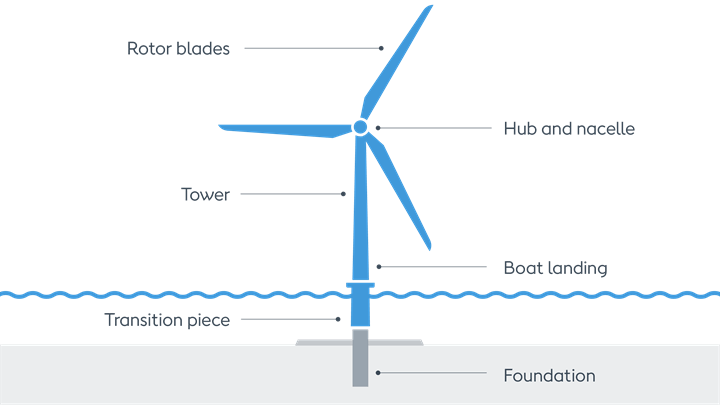
Η ακτοπράσινη αιολική ενέργεια αξιοποιεί ισχυρούς, σταθερούς θαλασσινούς ανέμους μέσω ανεμογεννητριών σε θαλάσσια βάθη, προσφέροντας καθαρό ρεύμα που αυξάνεται γρήγορα λόγω χαμηλότερου κόστους, πολιτικών στήριξης και κλιματικών στόχων.
Quick Answer
Η ακτοπράσινη αιολική ενέργεια είναι η παραγωγή ηλεκτρισμού από ανεμογεννήτριες εγκατεστημένες σε ρηχά ή βαθύτερα θαλάσσια νερά, όπου οι άνεμοι είναι πιο ισχυροί και σταθεροί από τη στεριά. Οι ανεμογεννήτριες μετατρέπουν την κινητική ενέργεια του ανέμου σε ηλεκτρικό ρεύμα, το οποίο μεταφέρεται μέσω υποθαλάσσιων καλωδίων στο δίκτυο. Οι αξιολογήσεις του IPCC και της IEA δείχνουν ότι αυτή η τεχνολογία μπορεί να καλύψει σημαντικό μερίδιο της παγκόσμιας ζήτησης ενέργειας με μηδενικές άμεσες εκπομπές CO₂, ενώ η ταχύτητα ανάπτυξης επηρεάζεται από το κόστος, τις πολιτικές και τα αβεβαιά σχετικά με το θαλάσσιο περιβάλλον.
Key Takeaways
- Οι θαλάσσιοι άνεμοι είναι συνήθως 30‑50 % ισχυρότεροι, οδηγώντας σε παράγοντες αξιοποίησης >50 %.
- Η παγκόσμια εγκατεστημένη ισχύς αυξήθηκε από 3 GW το 2010 σε πάνω από 55 GW το 2023.
- Το κόστος LCOE μειώθηκε περίπου 40 % από το 2015, καθιστώντας το ανταγωνιστικό με νέες φυσικές αεριογενείς μονάδες.
- Η παραγωγή είναι μηδενική σε άμεσες εκπομπές αερίων του θερμοκηπίου και μειώνει τη ρύπανση του αέρα.
- Οι κύριοι περιορισμοί αφορούν υψηλό αρχικό κεφάλαιο, πιθανές επιδράσεις σε θαλάσσια οικοσυστήματα και ανάγκη ενισχυμένων δικτύων μεταφοράς.
What Is Offshore Wind Power and Why Is It Growing Fast??
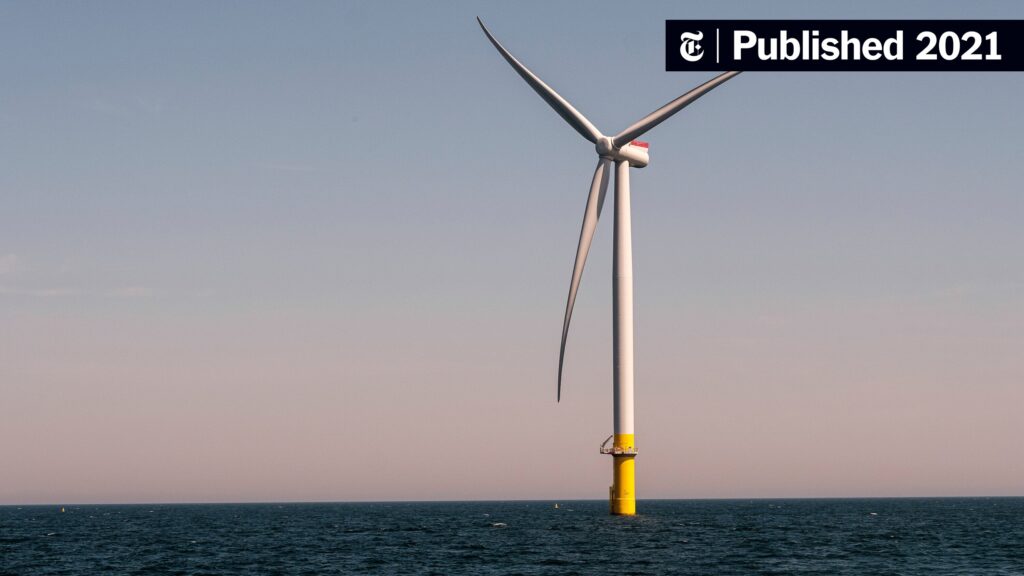
Η ακτοπράσινη αιολική ενέργεια (ακτοπράσινη αιολική) περιλαμβάνει μεγάλες ανεμογεννήτριες που τοποθετούνται είτε σε ρηχά παράκτια ύδατα (μέχρι 60 m βάθος) είτε σε πλωτές πλατφόρμες για βάθη άνω των 100 m. Η τεχνολογία διαφέρει από τη στερεά αιολική σε τρία βασικά σημεία: υψηλότερες ταχύτητες ανέμου, απομακρυσμένη τοποθέτηση μακριά από κατοικημένες περιοχές και ιδιαίτερες απαιτήσεις εγκατάστασης (π.χ. μόνωση κατά διαβρές, ειδικές πλοίες). Η σημασία της έγκειται στην προσφορά μεγάλου, καθαρού ρεύματος χωρίς καύση ορυκτών καυσίμων, κάτι που συμβάλλει άμεσα στους στόχους μείωσης εκπομπών.
How Does It Work?
1. Συλλογή της αεροδυναμικής ενέργειας
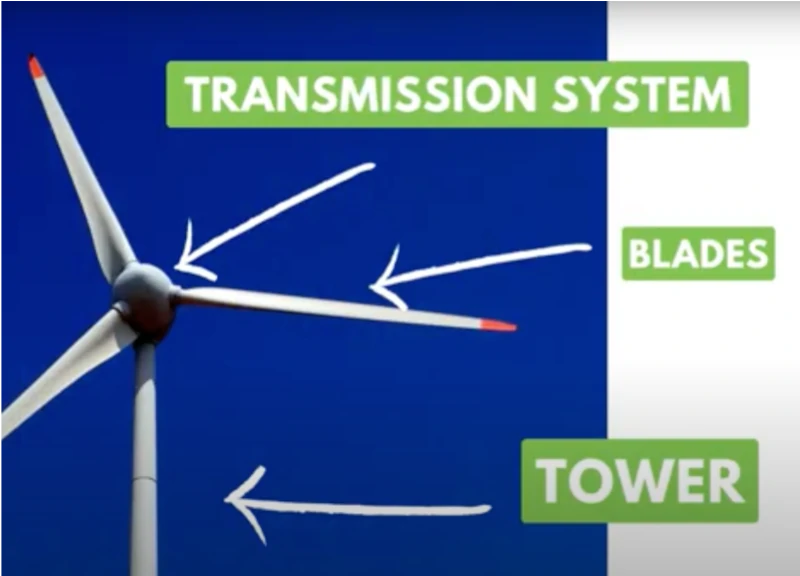
Ο άνεμος που διέρχεται πάνω από την επιφάνεια της θάλασσας δημιουργεί διαφορά πίεσης στα πτερύγια των λεπίδων, προκαλώντας την περιστροφή τους. Η ισχύς που εξάγεται είναι ανάλογη με το τρίτο δύναμη του ανέμου (½ ρ v³), όπου ρ είναι η πυκνότητα του αέρα και v η ταχύτητα.
2. Σχεδίαση και θεμέλια
Σύγχρονες ανεμογεννήτριες έχουν διάμετρο 150‑220 m και ονομαστική ισχύ 8‑14 MW. Τα θεμέλια χωρίζονται σε σταθερά (μονοπύλες, “jackets”, βάρη βαρύτητας) για μικρά βάθη και σε πλωτές πλατφόρμες (spar, semi‑submersible, tension‑leg) για βαθύτερα νερά.
3. Μεταφορά ηλεκτρικού ρεύματος
Οι γεννήτριες αυξάνουν την τάση στα 33‑220 kV και το ρεύμα οδηγείται μέσω υποθαλασσίων καλωδίων σε υπεξαίρεση ή άμεσες μετατροπείς DC, μειώνοντας τις απώλειες σε μεγάλες αποστάσεις.
What Does the Evidence Show?
Μακροπρόθεσμη παρακολούθηση της International Energy Agency (IEA) δείχνει ετήσια μέση αύξηση 18 % στη συνολική παγκόσμια ισχύ από 2010 έως 2023. Η αξιολόγηση του IPCC (2021) επιβεβαιώνει ότι η ακτοπράσινη αιολική μπορεί να καλύψει έως 20 % της παγκόσμιας ζήτησης ενέργειας σε σενάρια με υψηλή απομείωση CO₂. Μελέτες κόστους (BloombergNEF, 2023) καταγράφουν πτώση του LCOE από 150 $/MWh το 2012 σε 70 $/MWh το 2023 στην Ευρώπη, κυρίως λόγω μεγαλύτερων στροφών και οικονομίας κλίμακας. Μετα-επιθεωρήσεις θαλάσσιας βιοποικιλότητας (Marine Policy, 2021) καταδεικνύουν ότι τα τεχνικά μέτρα μετριασμού (π.χ. “soft‑start”) περιορίζουν τις επιπτώσεις σε θηλαστικά.
Main Causes or Drivers
Policy and Climate Commitments
Στόχοι της Ευρωπαϊκής Ένωσης (32 % ανανεώσιμη ενέργεια το 2030) και των ΗΠΑ (30 GW ακτοπράσινης μέχρι το 2030) δημιουργούν αγορά σιγουριάς, ενισχύοντας χρηματοδότηση και δημοπρασίες.
Technological Advances
Βελτιώσεις στην αεροδυναμική των λεπίδων, στην ανθεκτικότητα του χάλυβα και στα θαλάσσια ηλεκτρονικά έχουν αυξήσει τους παράγοντες αξιοποίησης από ~35 % στα αρχικά χρόνια σε >50 % σήμερα. Η πλωτή τεχνολογία επεκτείνει τη γεωγραφική εμβέλεια πέρα από τις ρηχές ακτογραμμές.
Economic Factors
Η μαζική παραγωγή ανεμογεννητριών και οι ανταγωνιστικές δημοπρασίες μειώνουν το CAPEX κατά περίπου 40 % μεταξύ 2015‑2023 (IEA). Επιπλέον, η αποφυγή κόστους CO₂ και υγείας από τη μείωση των εκπομπών βελτιώνει τη συνολική οικονομική βιωσιμότητα.
Environmental and Human Impacts
Environmental Impacts
Η παραγωγή είναι μηδενική σε άμεσες εκπομπές CO₂, αποφεύγοντας περίπου 0,5 τόνους CO₂ ανά MWh σε σύγκριση με τον άνθρακα (IPCC, 2021). Τα θεμέλια λειτουργούν ως τεχνητά ύφαλα, ενισχύοντας τη βιοποικιλότητα, ενώ ο θόρυβος κατά την εγκατάσταση μπορεί να επηρεάσει προσωρινά τα θηλαστικά, αλλά τα αποτελέσματα δείχνουν μικρή μακροπρόθεσμη επίδραση όταν εφαρμόζονται μέτρα περιορισμού.
Human Health and Social Impacts
Αντικαθιστώντας τη φώσφορο-καυσαλική παραγωγή, μειώνονται οι εκπομπές σωματιδίων και NOx, βελτιώνοντας την ποιότητα του αέρα και μειώνοντας τα καρδιοπνευμονικά προβλήματα. Η IEA εκτιμά ότι κάθε GW ακτοπράσινης δημιουργεί 1 500‑2 000 πλήρους απασχόλησης σε κατασκευή, λειτουργία και εφοδιαστική αλυσίδα.
Economic and Infrastructure Impacts
Τα έργα ενισχύουν τις τοπικές οικονομίες μέσω συμβολαίων με λιμάνια, βελτιώσεις δικτύων και επενδύσεις σε υποθαλάσσια καλώδια. Ωστόσο, το υψηλό αρχικό κεφάλαιο και η ανάγκη εξειδικευμένων πλοίων μπορεί να επιβαρύνουν δημόσιους προϋπολογισμούς χωρίς σταθερά πολιτικά πλαίσια.
Regional Differences
Η Ευρώπη κατέχει περίπου 35 GW (2023) λόγω πυκνών ακτογραμμών και πρώιμων πολιτικών. Η Μεγάλη Βρετανία και η Γερμανία επικεντρώνονται σε ρηχά νερά, ενώ οι ΗΠΑ επικεντρώνονται σε ατομικές περιοχές του Ατλαντικού και του Κόλπου. Η Κίνα και η Ταϊβάν επεκτείνουν την παραγωγή μέσω εγχώριων κατασκευαστών και πλωτών πλατφορμών, στοχεύοντας σε >10 GW μέχρι το 2025. Οι διαφορές οφείλονται σε γεωγραφία, βάθος νερού, κανονισμούς και ωριμότητα αγοράς.
What Scientists Know With High Confidence
- Η ακτοπράσινη αιολική παράγει ηλεκτρισμό χωρίς άμεσες εκπομπές αερίων του θερμοκηπίου.
- Οι σύγχρονες εγκαταστάσεις επιτυγχάνουν παράγοντες αξιοποίησης >50 %.
- Το LCOE μειώθηκε περίπου 40 % από τα μέσα της δεκαετίας του 2010, καθιστώντας την ανταγωνιστική έναντι νέων φυσικών αερίου.
- Με κατάλληλη τοποθέτηση, οι επιπτώσεις στα θαλάσσια θηλαστικά είναι περιορισμένες και συχνά αντισταθμίζονται από τη δημιουργία τεχνητών υφάλων.
What Remains Uncertain
Οι μακροπρόθεσμες επιδράσεις μεγάλων πεδίων ανεμογεννητριών σε ανοικτά θαλάσσια οικοσυστήματα παραμένουν αβέβαιες, καθώς περιορισμένα δεδομένα καλύπτουν μόνο τα αρχικά χρόνια λειτουργίας. Η ανθεκτικότητα των πλωτών πλατφορμών σε ακραία καιρικά φαινόμενα (π.χ. τυφώνας) χρειάζεται περαιτέρω έλεγχο. Επιπλέον, η βέλτιστη σχεδίαση υψηλής τάσης (HVDC) για μεγάλες αποστάσεις είναι ενεργό πεδίο έρευνας, με επιπτώσεις στο κόστος και στην αποδοτικότητα.
Common Misconceptions
Misconception: Η ακτοπράσινη αιολική είναι πολύ ακριβή για να ανταγωνιστεί τα ορυκτά καύσιμα.
Reality: Τα πρόσφατα δεδομένα της IEA δείχνουν ότι το LCOE για ευρωπαϊκά έργα είναι συγκρίσιμο ή χαμηλότερο από τις νέες φυσικές αεριογενείς μονάδες, ειδικά όταν ληφθεί υπόψη η μεταβλητότητα τιμών καυσίμων και η τιμολόγηση του άνθρακα.
Misconception: Οι ανεμογεννήτριες θα καταστρέψουν όλα τα θαλάσσια είδη.
Reality: Εμπειρικές μελέτες δείχνουν ότι ο θόρυβος κατασκευής προκαλεί προσωρινή διαταραχή, ενώ μετά τη λειτουργία οι βάσεις λειτουργούν ως τεχνητά ύφαλα, ενδυναμώνοντας τη βιοποικιλότητα σε πολλές περιοχές.
Misconception: Η ακτοπράσινη αιολική μπορεί άμεσα να αντικαταστήσει την βασική ενέργεια.
Reality: Παρά την υψηλή παραγωγική ικανότητα, η μεταβλητότητα απαιτεί συμπληρωματικές λύσεις όπως αποθήκευση ενέργειας, διαχείριση ζήτησης και ενίσχυση του δικτύου για να εξασφαλιστεί η αξιοπιστία.
Solutions and Limitations
Οι κύριες στρατηγικές για την περαιτέρω ανάπτυξη περιλαμβάνουν:
- Σταθερά πολιτικά πλαίσια: μακροπρόθεσμες συμβάσεις και φορολογικές ελαφρύνσεις μειώνουν τον χρηματοδοτικό κίνδυνο, αλλά απαιτούν συνεχή πολιτική βούληση.
- Επενδύσεις σε υποδομές λιμάνων και πλοίων: επιταχύνουν την εγκατάσταση, όμως το υψηλό κόστος απαιτεί δημόσιες ή ιδιωτικές συνεργασίες.
- Ανάπτυξη HVDC διασυνδέσεων: μειώνουν τις απώλειες σε μεγάλες αποστάσεις, αλλά ενέχουν υψηλό αρχικό κόστος και απαιτούν εναρμόνιση με εθνικά δίκτυα.
- Προγράμματα περιβαλλοντικής παρακολούθησης: εξασφαλίζουν ότι οι επιπτώσεις στη θαλάσσια ζωή ελαχιστοποιούνται, ωστόσο η συλλογή δεδομένων είναι χρονοβόρα και δαπανηρή.
What Individuals, Communities, and Governments Can Do
What Individuals Can Do
Μπορείτε να υποστηρίξετε πολιτικές ανανεώσιμων πηγών ψήφοντας, συμμετέχοντας σε δημόσιες διαβουλεύσεις ή επιλέγοντας τιμές ρεύματος που περιλαμβάνουν ακτοπράσινη αιολική. Η μείωση της προσωπικής κατανάλωσης ενέργειας μειώνει το συνολικό φορτίο του δικτύου.
What Communities and Organizations Can Do
Οι τοπικές κοινότητες μπορούν να συμμετέχουν σε εργαστήρια χωρικού σχεδιασμού για να εκφράσουν προτιμήσεις σχετικά με τις τοποθεσίες των τουρμπίνων, ενώ οργανώσεις μπορούν να συνεργαστούν με ακαδημαϊκά ιδρύματα για την παρακολούθηση θαλάσσιας βιοποικιλότητας.
What Governments Can Do
Οι κυβερνήσεις πρέπει να θεσπίσουν σαφείς, προβλέψιμες διαδικασίες αδειοδότησης, να προσφέρουν ανταγωνιστικές δημοπρασίες, να χρηματοδοτήσουν έρευνα πλωτών πλατφορμών και να επενδύσουν σε ενισχυμένα δίκτυα μεταφοράς. Η προώθηση προγραμμάτων κατάρτισης για τις παρακείμενες κοινότητες εξασφαλίζει δίκαιη μετάβαση.
Closing Synthesis
Η ακτοπράσινη αιολική ενέργεια αξιοποιεί τους ισχυρούς θαλάσσιους ανέμους για την παραγωγή καθαρού ηλεκτρισμού, και η ταχεία της ανάπτυξη οφείλεται σε μειωμένο κόστος, υποστηρικτικές πολιτικές και ανάγκη απομείωσης CO₂. Η επιστημονική κοινότητα έχει υψηλή εμπιστοσύνη στην μηδενική εκπομπή, στην υψηλή αξιοποίηση και στην οικονομική βιωσιμότητα, ενώ οι αβεβαιότητες αφορούν μακροπρόθεσμες οικοσυστημικές επιδράσεις και τεχνολογίες μεταφοράς. Με ισορροπημένες πολιτικές, τεχνολογική καινοτομία και προσεκτική περιβαλλοντική διαχείριση, η ακτοπράσινη αιολική μπορεί να γίνει κεντρικός πυλώνας μιας ανθεκτικής, χαμηλής εκπομπής ενεργειακής μετάβασης.
Frequently Asked Questions
Τι είναι ακριβώς η ακτοπράσινη αιολική ενέργεια;
Η ακτοπράσινη αιολική ενέργεια είναι η παραγωγή ηλεκτρισμού από ανεμογεννήτριες που τοποθετούνται σε θαλάσσια ύδατα, είτε σε ρηχά είτε σε πλωτές πλατφόρμες, αξιοποιώντας τους ισχυρούς και σταθερούς θαλασσινούς ανέμους.
Πώς λειτουργεί η μεταφορά του ρεύματος από τη θάλασσα στη στεριά;
Το παραγόμενο ρεύμα αυξάνεται σε υψηλή τάση (συνήθως 33‑220 kV) και μεταφέρεται μέσω υποθαλάσσιων καλωδίων σε υποσταθμό στην ακτή, όπου ενσωματώνεται στο εθνικό δίκτυο, συχνά με χρήση μετατροπέων DC για μεγάλες αποστάσεις.
Ποιοι είναι οι κύριοι λόγοι της ταχείας ανάπτυξης της ακτοπράσινης αιολικής;
Η ανάπτυξη κινείται από τη μείωση του κόστους των ανεμογεννητριών, τις ισχυρές πολιτικές και κλιματικούς στόχους, τις τεχνολογικές προόδους (μεγαλύτερες στροφές, πλωτές πλατφόρμες) και την οικονομική ελκυστικότητα μέσω χαμηλότερων εκπομπών CO₂.
Τι επιδράσεις έχει η ακτοπράσινη αιολική στην υγεία και το περιβάλλον;
Η τεχνολογία παράγει ηλεκτρισμό χωρίς άμεσες εκπομπές CO₂, μειώνοντας τη ρύπανση του αέρα και σχετικές καρδιοπνευμονικές παθήσεις. Οι θαλάσσιες βάσεις δημιουργούν τεχνητά ύφαλα που μπορούν να ενισχύσουν τη βιοποικιλότητα, ενώ ο ήχος κατασκευής μπορεί να προκαλέσει προσωρινές διαταραχές στα θαλάσσια θηλαστικά.
Ποιες ενέργειες μπορούν να κάνουν τα άτομα και οι κοινότητες για την προώθηση της ακτοπράσινης αιολικής;
Τα άτομα μπορούν να υποστηρίξουν πολιτικές ανανεώσιμων πηγών, να επιλέξουν προγράμματα ηλεκτρικής ενέργειας που περιλαμβάνουν ακτοπράσινη ενέργεια και να μειώσουν την προσωπική κατανάλωση. Οι κοινότητες μπορούν να συμμετέχουν σε διαδικασίες σχεδιασμού, να παρακολουθούν τοπική βιοποικιλότητα και να συνεργάζονται με ερευνητικούς φορείς.





Leave a Comment