
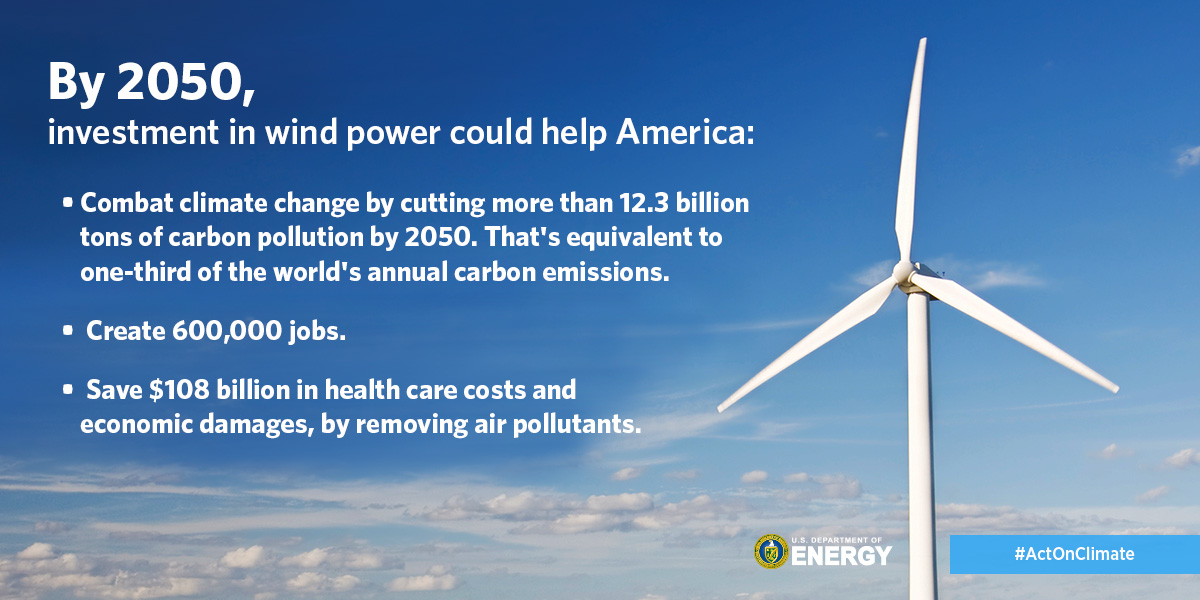
Wind energy reduces greenhouse‑gas emissions by converting kinetic air flow into electricity without burning fossil fuels, offering a measurable path toward low‑carbon development while posing manageable ecological trade‑offs.
Quick Answer
Wind energy is a renewable power source that captures the kinetic energy of moving air with turbines and converts it into electricity. The process avoids combustion, so it emits little to no carbon dioxide, making it a key component of global low‑carbon strategies. Scientific assessments, such as the IPCC reports, confirm that expanding wind capacity can cut national CO₂ emissions by 1–3 % per 10 % increase in generation share. Uncertainties remain around site‑specific wildlife impacts and long‑term material recycling, but the overall climate benefit is robust.
Key Takeaways
- Wind turbines generate electricity without burning fuel, resulting in near‑zero operational CO₂ emissions.
- Life‑cycle analyses show wind energy’s carbon intensity is typically 10–20 g CO₂‑eq kWh⁻¹, far below coal (820 g) or natural gas (490 g).
- Major environmental concerns involve bird and bat collisions, noise, and land‑use change, which can be mitigated through siting and technology.
- Offshore and repurposed industrial sites expand capacity while limiting habitat disruption.
- Policy incentives, grid integration, and community ownership accelerate deployment and distribute benefits.
What Is Wind Energy and the Environment: Measuring Low‑Carbon Progress?
Wind energy refers to the conversion of atmospheric kinetic energy into electrical power using wind turbines. The term encompasses onshore, offshore, and distributed (e.g., rooftop) installations, each with distinct siting constraints. Measuring low‑carbon progress involves accounting for the full life‑cycle emissions of turbine manufacturing, installation, operation, maintenance, and decommissioning, then comparing these totals to the avoided emissions from fossil‑fuel generation. The concept differs from “renewable energy” in that it explicitly quantifies carbon savings rather than merely noting the source’s renewability.
How Does It Work?
Physical conversion
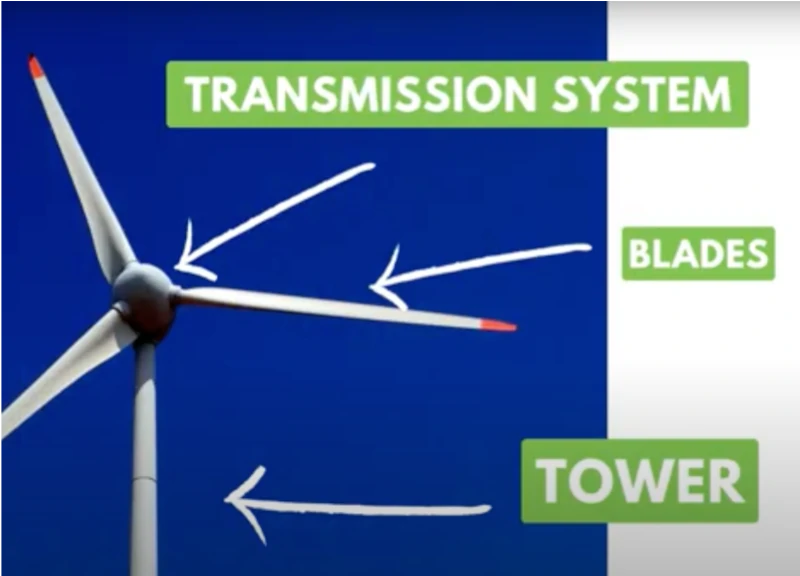
- Wind passes over turbine blades, creating lift that rotates the rotor.
- The rotor drives a generator, producing alternating current.
- Power electronics convert this to grid‑compatible electricity.
The amount of power generated follows the cubic relationship P ∝ v³, where v is wind speed; thus, modest increases in wind speed yield large output gains.
System integration
Electricity from turbines enters the transmission network, often requiring storage or demand‑response measures because wind is intermittent. Grid operators use forecasting, flexible natural‑gas plants, and increasingly battery storage to balance supply and demand.
What Does the Evidence Show?
Long‑term monitoring by the International Energy Agency (IEA, 2023) indicates that global wind capacity grew from 237 GW in 2010 to 837 GW in 2022, delivering about 6 % of worldwide electricity while displacing an estimated 1.1 Gt CO₂ annually. Life‑cycle assessments compiled by the U.S. National Renewable Energy Laboratory (NREL, 2022) consistently find wind’s median carbon intensity between 10 and 20 g CO₂‑eq kWh⁻¹, an order of magnitude lower than fossil fuels.
Field studies on wildlife impacts, such as a meta‑analysis in *Conservation Biology* (2021), report average bird mortality rates of 0.3 % per turbine per year, with higher rates in migratory corridors. Mitigation measures—e.g., turbine curtailment during peak migration—reduce these figures by up to 50 % without materially affecting energy output.
Main Causes or Drivers
Direct causes
The primary driver of wind generation is the kinetic energy of atmospheric circulation, itself powered by solar heating differentials.
Underlying drivers
- Policy mechanisms such as renewable portfolio standards and feed‑in tariffs that guarantee market access.
- Technological advances that increase turbine size, hub height, and capacity factor.
- Decarbonisation targets set by nations in line with the Paris Agreement.
Environmental and Human Impacts
Environmental Impacts
Wind farms reduce air‑pollutant emissions (SO₂, NOₓ, particulate matter) by displacing fossil‑fuel plants, improving regional air quality. Land‑use change is modest; a typical onshore wind farm occupies 0.5 km² of direct footprint but allows concurrent agriculture or grazing. Offshore installations avoid most land‑based habitat concerns but may affect marine mammals through underwater noise; acoustic monitoring shows disturbance is generally low when turbines are spaced >5 km.
Human Health and Social Impacts
Lower emissions translate into fewer premature deaths linked to air pollution; the WHO estimates that each megawatt of wind capacity can prevent 0.5–1.0 premature deaths per year in densely populated regions. Noise complaints are rare when turbines are sited >500 m from residences, and modern designs meet strict dB limits.
Economic and Infrastructure Impacts
Wind projects create jobs in manufacturing, construction, and operations. The IRENA 2022 report notes that each gigawatt of installed wind capacity supports roughly 3,500 full‑time equivalent jobs globally. Infrastructure upgrades, such as transmission lines, are required but often bring broader grid reliability benefits.
Regional Differences
In Europe, high population density and strong policy support have led to dense onshore clusters, whereas the United States emphasizes large‑scale offshore development in the Atlantic and Gulf of Mexico. In tropical regions, lower average wind speeds historically limited onshore potential, but vertical‑axis turbines and hybrid solar‑wind systems are expanding feasibility. Arctic installations face ice‑loading challenges, prompting research into anti‑icing blade coatings.
What Scientists Know With High Confidence
- Wind energy displaces fossil‑fuel electricity, delivering a net reduction of greenhouse‑gas emissions.
- Life‑cycle carbon intensity of wind is consistently an order of magnitude lower than coal or natural gas.
- Strategic siting and curtailment can substantially lower avian and bat mortality without compromising energy output.
- Air‑quality benefits from reduced pollutant emissions are measurable and improve public health.
What Remains Uncertain
Key uncertainties include the long‑term durability of turbine blades under varying climate conditions, the cumulative effects of large‑scale offshore farms on marine ecosystems, and the social acceptance dynamics in regions with limited prior exposure to wind projects. Improved monitoring networks and longer-term ecological studies are needed to resolve these gaps.
Common Misconceptions
Misconception: Wind turbines generate more carbon than they save.
Reality: Comprehensive life‑cycle assessments show that wind’s carbon payback period—time required for avoided emissions to equal construction emissions—is typically 6–12 months, far shorter than the 20‑year design life of a turbine.
Misconception: Wind farms cause massive habitat loss.
Reality: Direct land footprint is small, and most sites permit continued agricultural use; habitat loss is therefore limited compared with coal mining or dam construction.
Misconception: Wind power is unreliable and cannot meet demand.
Reality: With diversified geographic distribution, advanced forecasting, and storage solutions, wind can provide a reliable share of electricity; in some regions it already supplies >30 % of peak demand.
Solutions and Limitations
Key response strategies include:
- Technology improvement: Larger rotors and higher hub heights increase capacity factor but raise material use and visual impact.
- Offshore development: Reduces land‑use conflicts but requires costly foundations and may affect marine life.
- Wildlife mitigation: Turbine curtailment and acoustic deterrents lower bat mortality but can shave 1–2 % off annual energy production.
- Grid integration: Energy storage and demand‑response improve reliability but add capital expense.
Each solution entails trade‑offs; for example, offshore farms cut land impact yet increase embodied energy due to steel foundations.
What Individuals, Communities, and Governments Can Do
What Individuals Can Do
- Support local wind projects through community‑owned cooperatives or by voting for policies that incentivise renewable energy.
- Choose electricity suppliers that source a high share of wind power.
- Reduce personal electricity demand, which amplifies the impact of wind generation.
What Communities and Organizations Can Do
- Conduct site‑specific environmental assessments before siting turbines to minimise wildlife impacts.
- Partner with developers to negotiate benefit‑sharing agreements, such as community funds or local job commitments.
- Implement education programs that address noise and visual concerns, fostering social acceptance.
What Governments Can Do
- Establish clear permitting pathways that integrate biodiversity safeguards and streamline offshore licensing.
- Provide stable, long‑term financial incentives (e.g., contracts for difference) to reduce investment risk.
- Invest in transmission infrastructure and storage to accommodate higher shares of wind on the grid.
- Fund research on blade recycling and low‑impact offshore foundations.
Closing Synthesis
Wind energy converts the planet’s natural wind currents into low‑carbon electricity, offering a proven means to cut greenhouse‑gas emissions and improve air quality. High‑confidence evidence confirms its climate benefit, while ongoing research addresses remaining uncertainties around wildlife impacts and long‑term material sustainability. By combining technology upgrades, thoughtful siting, and supportive policies, societies can expand wind capacity responsibly, delivering both environmental and socioeconomic gains.
Frequently Asked Questions
How does wind energy reduce carbon emissions compared to fossil fuels?
Wind turbines generate electricity without burning fuel, so they emit virtually no CO₂ during operation. Life‑cycle analyses show wind’s carbon intensity is 10–20 g CO₂‑eq kWh⁻¹, far lower than coal (≈820 g) or natural gas (≈490 g), resulting in a net reduction of greenhouse‑gas emissions.
What are the main environmental concerns associated with wind farms?
The primary concerns are bird and bat collisions, noise, and visual impacts. Studies indicate average bird mortality of about 0.3 % per turbine per year, which can be halved with curtailment during migration. Noise is generally below regulatory limits when turbines are sited >500 m from homes.
Can wind power provide reliable electricity despite its intermittency?
Yes. When wind farms are geographically dispersed and paired with forecasting, demand‑response, and storage, they can reliably contribute to the grid. Some regions already achieve over 30 % of peak demand from wind without compromising stability.
How do offshore wind farms differ from onshore installations?
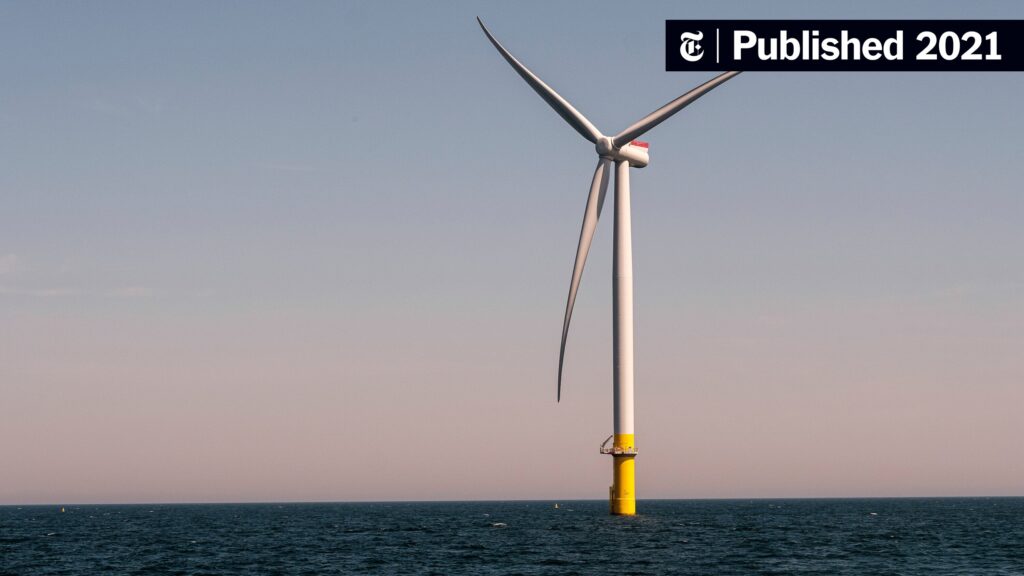
Offshore turbines avoid land‑use conflicts and often encounter stronger, steadier winds, yielding higher capacity factors. However, they require expensive foundations, face harsher marine conditions, and may affect marine mammals through underwater noise, requiring specific mitigation measures.
What actions can governments take to accelerate low‑carbon wind deployment?
Governments can create stable financial incentives such as contracts for difference, streamline permitting with integrated biodiversity safeguards, invest in transmission and storage infrastructure, and fund research on blade recycling and low‑impact offshore foundations.





Leave a Comment