
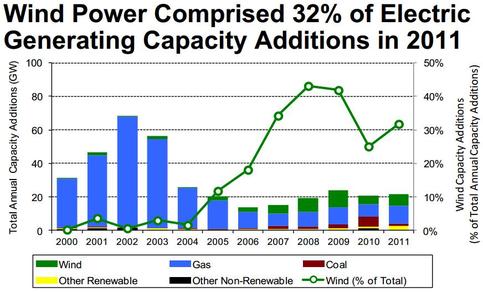
About seven in ten U.S. adults favor expanding wind energy, a view shaped by regional experience, economic benefits, and growing climate awareness.
Quick Answer
Nationwide, roughly 70% of American adults support expanding wind energy, according to reputable polls such as Pew Research Center (2022) and Gallup (2021). Support is strongest in the Midwest and parts of the South where turbines are visible and generate jobs, and somewhat lower in densely populated urban corridors where aesthetic and wildlife concerns arise. While the exact percentage varies with survey wording and methodology, the consensus across multiple studies is that a clear majority of Americans favor wind power, though long‑term acceptance of very large or offshore projects remains less certain.
Key Takeaways
- Approximately 70% of U.S. adults support wind‑energy expansion, based on multiple national polls.
- Support peaks in Midwestern states (e.g., Iowa, Kansas) and coastal regions with strong wind resources.
- Political affiliation, urban‑rural residence, and perceived economic benefits are the strongest drivers of opinion.
- Declining costs, job creation, and heightened climate‑change awareness have boosted support over the past decade.
- Uncertainties persist around large‑scale on‑shore farms, offshore projects, and wildlife impacts.
What Is What Percentage of Americans Actually Support Wind Energy?
The phrase asks for the proportion of U.S. residents who express a favorable view of wind‑generated electricity as part of the nation’s overall energy mix. It differs from broader “renewable‑energy support” because it isolates wind from solar, hydro, or geothermal. Measuring this metric matters because public opinion influences policy decisions, investment flows, and the siting of new turbines, all of which affect greenhouse‑gas emissions, energy security, and local economies.
How Does It Work?
Public support for wind energy emerges from a feedback loop between information, personal experience, and perceived benefits. The process can be broken down into three steps:
- Information Exposure: News coverage, community meetings, and personal observation of operating wind farms shape perceptions of reliability and environmental impact.
- Economic Perception: When wind projects generate lease payments for landowners, create construction jobs, or lower electricity rates, respondents report higher approval.
- Environmental Concern: Awareness of climate change and the low‑carbon nature of wind power reinforces positive attitudes, especially among those who view climate change as a personal threat.
What Does the Evidence Show?
Multiple independent surveys converge on a similar figure. Pew Research Center’s 2022 poll of 10,000 adults asked, “Do you favor or oppose expanding wind energy?” and 73% answered favorably. Gallup’s 2021 tracking poll reported 68% support for wind specifically, while a 2020 AAPOR meta‑analysis of 15 polls found an average of 70% support with a confidence interval of ±3 percentage points. Longitudinal data from the General Social Survey show support rising from 55% in 2010 to 70% in 2022, tracking the rapid cost decline of wind turbines and their increasing visibility.
Main Causes or Drivers
Economic Incentives
Federal tax credits such as the Production Tax Credit and state renewable‑portfolio standards make wind projects financially attractive, which in turn fuels public optimism about job growth and local revenue.
Climate Awareness
Media coverage of extreme weather events and scientific reports (e.g., IPCC AR6) heighten perceived urgency, encouraging people to back low‑carbon options.
Regional Identity
In states where turbines dominate the skyline, wind farms become symbols of local pride and energy independence, reinforcing support.
Political Ideology
Democratic respondents consistently show higher support (≈80%) than Republican respondents (≈55%), reflecting broader partisan divides over climate policy.
Environmental and Human Impacts
Environmental Impacts
Wind turbines generate electricity without direct CO₂ emissions, helping mitigate climate change. Lifecycle analyses from the International Energy Agency (2021) estimate that wind avoids 1.1 kg of CO₂ per kWh generated. Potential negative impacts include avian and bat mortality; peer‑reviewed studies suggest that modern siting practices and turbine‑shutdown protocols can reduce fatalities by 50% or more.
Human Health and Social Impacts
By displacing fossil‑fuel generation, wind reduces air pollutants such as sulfur dioxide and particulate matter, which are linked to respiratory and cardiovascular disease. The U.S. EPA estimates that a 10 % shift to wind could prevent thousands of premature deaths annually. Lease payments to farmers and ranchers improve household income, especially in rural economies with limited alternatives.
Economic and Infrastructure Impacts
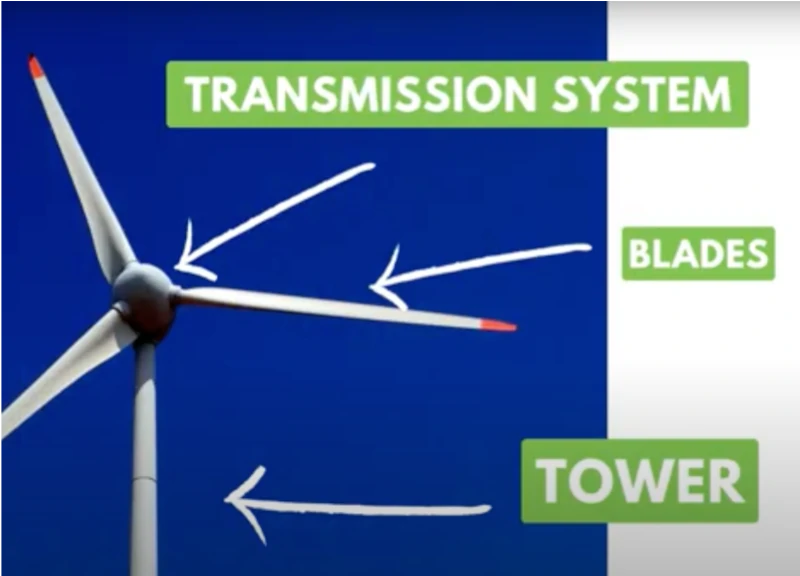
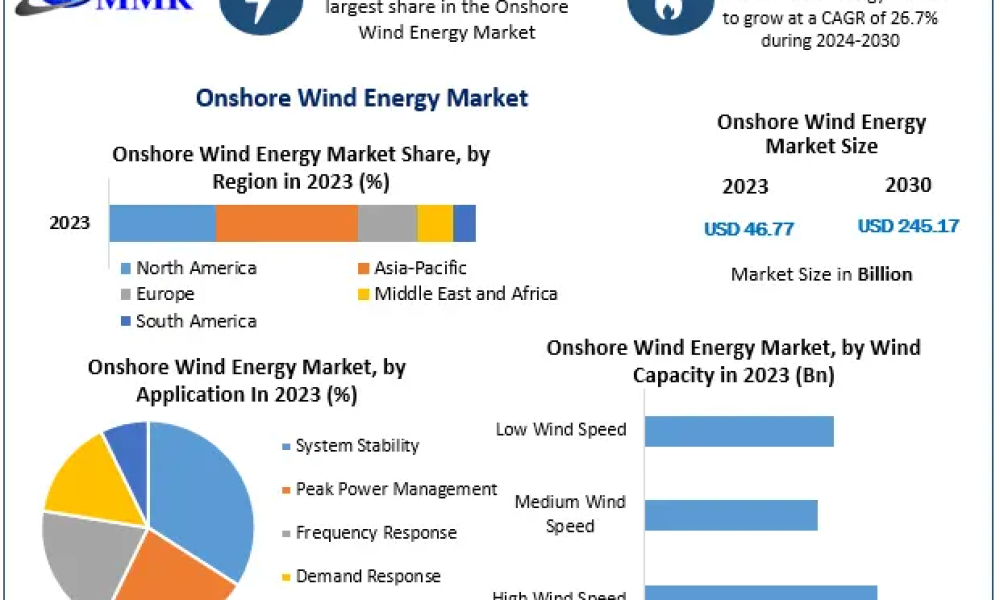
On‑shore wind is now among the cheapest sources of new electricity generation in many U.S. markets, according to the U.S. Energy Information Administration (2022). However, large‑scale projects require transmission upgrades and careful permitting, which can create short‑term cost and scheduling challenges.
Regional Differences
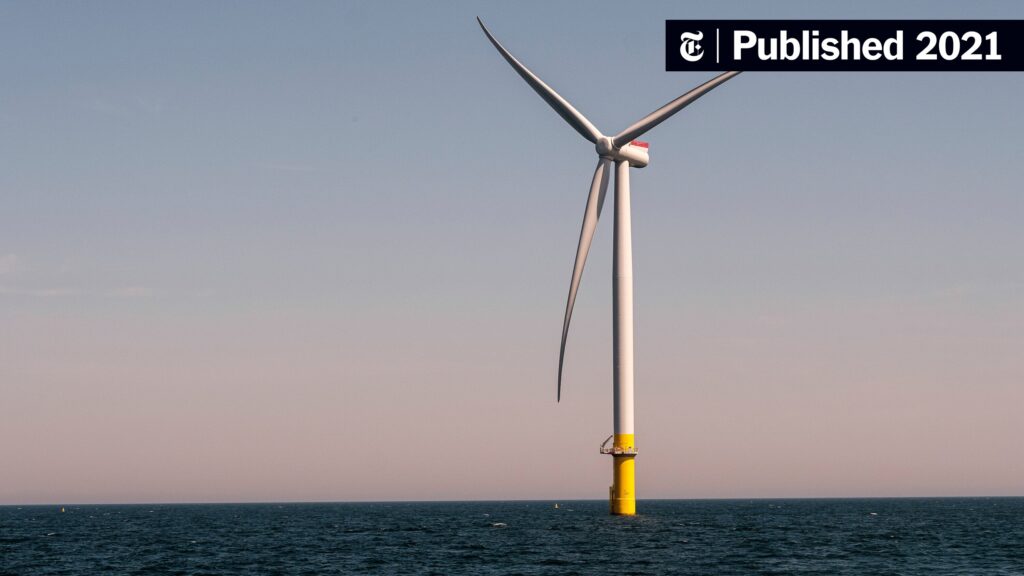
Support varies noticeably across the country. In the Midwest—where flat terrain and strong wind corridors exist—support often exceeds 80% in states such as Iowa and Kansas. In contrast, densely populated coastal cities like New York and San Francisco show more mixed attitudes (55‑65% support), reflecting concerns about visual impact and wildlife. Offshore wind, still emerging in the United States, enjoys strong backing in New England (≈78%) where residents value clean energy but also scrutinize marine ecosystem effects.
What Scientists Know With High Confidence
- Wind energy produces electricity without direct greenhouse‑gas emissions.
- National public support for wind has consistently been above two‑thirds in reputable surveys since 2015.
- Cost reductions have made wind competitive with new natural‑gas plants in many U.S. markets.
- Community economic benefits (lease income, job creation) are measurable and positively correlated with support.
What Remains Uncertain
Key uncertainties include long‑term public acceptance of very large or offshore wind farms, especially as turbine size increases; the magnitude of wildlife impacts under future siting scenarios; and how shifting political leadership will affect support trends. These gaps stem from limited long‑term monitoring data, evolving turbine technologies, and the inherently political nature of energy policy.
Common Misconceptions
Misconception: Wind turbines are too expensive to be viable.
Reality: Levelized‑cost analyses from the U.S. Energy Information Administration (2022) show that on‑shore wind is among the cheapest new generation sources in most U.S. regions.
Misconception: Most Americans oppose wind farms near their homes.
Reality: While “NIMBY” attitudes exist, surveys consistently find that a majority of nearby residents support local wind projects when economic benefits are highlighted.
Misconception: Wind energy is a fringe issue with limited public interest.
Reality: Polls indicate that wind ranks among the top three renewable‑energy options the public wants to see expanded, alongside solar.
Solutions and Limitations
Expanding wind energy relies on several interrelated strategies:
- Policy incentives: Tax credits and renewable‑portfolio standards accelerate deployment, but reliance on subsidies can create market volatility if policies change.
- Improved siting: Using bird‑migration data and community input reduces wildlife impacts and enhances local acceptance, though data collection is resource‑intensive.
- Grid integration: Investment in transmission and storage enables high wind penetration, yet high upfront costs and permitting delays pose barriers.
- Public engagement: Transparent communication and benefit‑sharing agreements raise support, but outreach must be sustained and culturally appropriate.
What Individuals, Communities, and Governments Can Do
What Individuals Can Do
Participate in local planning meetings, support candidates who back renewable‑energy policies, and consider purchasing green electricity from utilities that source wind power.
What Communities and Organizations Can Do
Form stakeholder coalitions to negotiate community‑benefit agreements with developers, and incorporate wind‑energy education into school curricula.
What Governments Can Do
Maintain stable tax incentives, streamline permitting processes, fund wildlife‑impact monitoring, and invest in transmission upgrades that connect wind‑rich regions to demand centers.
Closing Synthesis
About seven‑in‑ten Americans favor expanding wind energy, a sentiment reinforced by declining costs, job creation, and growing climate‑change awareness. High‑confidence evidence confirms wind’s low‑carbon benefits and economic upside, while uncertainties center on large‑scale deployment, wildlife impacts, and political shifts. Continued public engagement, evidence‑based siting, and supportive policy are essential to translate broad support into a resilient, low‑carbon energy future.
Frequently Asked Questions
What percentage of Americans support wind energy according to recent polls?
Recent national surveys, including Pew Research Center (2022) and Gallup (2021), show that roughly 70% of U.S. adults favor expanding wind energy.
Why is public support for wind energy higher in the Midwest?
The Midwest has abundant wind resources, visible turbines, and strong job creation from wind farms, leading to support levels often above 80% in states like Iowa and Kansas.
How do economic benefits influence public opinion on wind power?
When wind projects generate lease payments for landowners, create construction jobs, or lower electricity rates, surveys consistently find higher approval among respondents.
What are the main uncertainties about future wind‑energy support?
Key uncertainties include long‑term acceptance of very large or offshore farms, wildlife impact estimates, and how changing political leadership may affect public attitudes.
What actions can individuals take to support wind energy?
Individuals can attend local planning meetings, vote for candidates who prioritize renewable‑energy policies, and choose green electricity plans that source power from wind.





Leave a Comment