
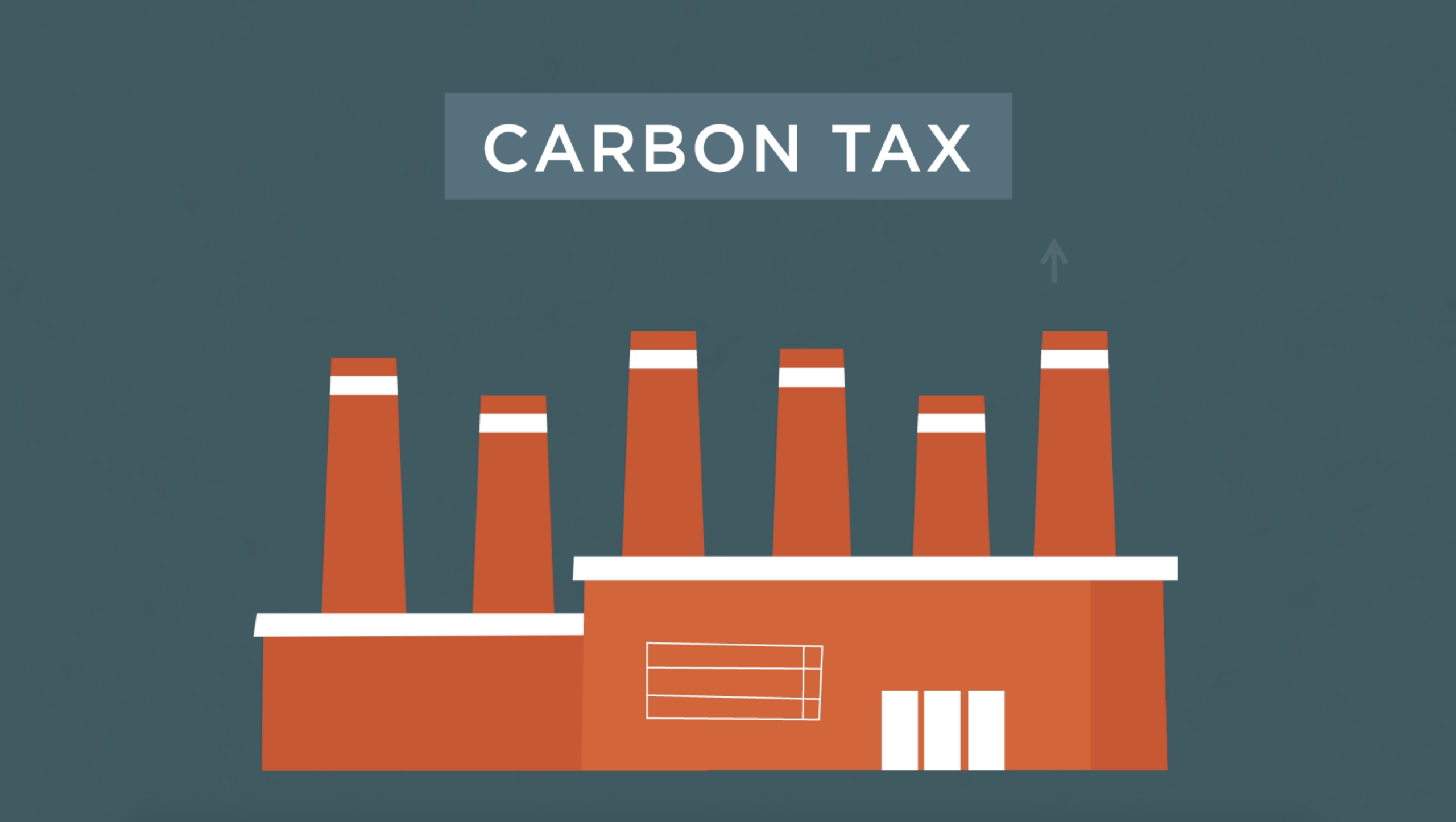
Carbon taxes put a price on greenhouse‑gas emissions, encouraging cleaner choices, lowering atmospheric carbon while directing revenue toward workforce training and green‑energy investment, thereby cutting emissions and creating jobs.
Quick Answer
A carbon tax is a fee levied on the carbon content of fossil fuels, making carbon‑intensive activities more expensive and prompting businesses and households to switch to lower‑carbon alternatives. Robust modeling and real‑world pilots show that such a price signal can cut national CO₂ emissions by 10–20 % over a decade, while the generated revenue can fund renewable‑energy projects and job‑training programs, creating thousands of new positions. Some uncertainty remains about the exact employment net‑effect in regions heavily dependent on coal.
Key Takeaways
- Carbon taxes internalize the climate cost of fossil‑fuel use, creating a market incentive for emission reductions.
- Empirical studies from Sweden, British Columbia, and other jurisdictions consistently report measurable declines in CO₂ emissions after tax implementation.
- Revenue recycling—through green‑infrastructure spending, rebates, or workforce development—can offset any regressive impacts and stimulate job growth.
- Design features such as gradual rate increases, border adjustments, and targeted support for displaced workers improve economic equity and political feasibility.
- Uncertainties include the magnitude of long‑term innovation responses and the balance of job losses in fossil‑fuel sectors versus gains in clean‑energy fields.
What Is How Carbon Taxes Can Cut Emissions and Create Jobs?
A carbon tax is a straightforward fiscal instrument that assigns a monetary value to each tonne of carbon dioxide (CO₂) emitted from the combustion of fossil fuels. Unlike cap‑and‑trade systems, which set an overall emissions limit, a carbon tax directly raises the cost of carbon‑intensive energy, encouraging emitters to reduce usage, improve efficiency, or switch to low‑carbon alternatives. The policy scope can cover electricity generation, transportation fuels, industry process emissions, and even upstream production of coal, oil, and natural gas. By contrast, a carbon offset market allows firms to purchase credits from external projects, which does not guarantee domestic emission reductions.
How Does It Work?
1. Pricing Carbon
Governments set a tax rate, for example $50 per tonne of CO₂, applied at the point where fossil fuels enter the economy (e.g., at the refinery or mine). The price makes carbon‑rich fuels more expensive relative to renewables.
2. Behavioral Response
Higher fuel prices prompt:
- Consumers to drive less, purchase fuel‑efficient vehicles, or shift to public transit.
- Industries to adopt energy‑saving technologies, switch to electricity, or capture emissions.
- Investors to fund renewable‑energy projects that become more competitive.
3. Revenue Generation
Tax receipts become a sizable fiscal stream. Governments can allocate funds to:
- Subsidize rooftop solar, heat‑pump installations, or building retrofits.
- Finance public‑works projects that require labor, such as grid modernization.
- Provide direct rebates or “carbon dividends” to low‑income households, reducing regressive effects.
- Support retraining programs for workers transitioning from coal, oil, or gas sectors.
4. Emissions Decline Over Time
Economic modeling (e.g., the International Monetary Fund’s 2021 assessment) indicates that a $100‑per‑tonne carbon tax could cut global CO₂ emissions by roughly 15 % by 2030 if applied broadly. The effect compounds as cleaner technologies become cheaper and high‑carbon options lose market share.
What Does the Evidence Show?
Multiple peer‑reviewed evaluations confirm that carbon taxes reduce emissions without harming overall economic growth. A 2020 systematic review of 30 case studies found an average emission reduction of 11 % in jurisdictions with a price of at least $20 per tonne. Sweden’s carbon tax, introduced in 1991 at $0.03 per litre of gasoline and later raised to about $130 per tonne (2022), coincided with a 25 % drop in transport emissions while its GDP grew at the OECD average. British Columbia’s 2008 tax, set at $10 per tonne and gradually increased to $45, yielded a 5‑7 % emissions decline after five years, according to the province’s environmental ministry.
Labor market analyses reveal that for every megawatt of new wind capacity created, roughly 1.5 full‑time jobs are generated in construction, operations, and maintenance. The International Energy Agency estimates that a global carbon price of $75 per tonne could support up to 24 million jobs in renewable energy, energy efficiency, and related services by 2030.
Main Causes or Drivers
Direct Causes
The primary driver of carbon‑tax‑induced emission cuts is the increased marginal cost of carbon‑intensive energy, which directly reduces demand for fossil fuels.
Underlying Drivers
Long‑term drivers include:
- Technological learning curves that make solar, wind, and battery storage cheaper as deployment expands.
- Policy certainty that encourages private investment in clean‑energy infrastructure.
- Consumer awareness of price signals, leading to lifestyle changes such as reduced air‑travel.
Environmental and Human Impacts
Environmental Impacts
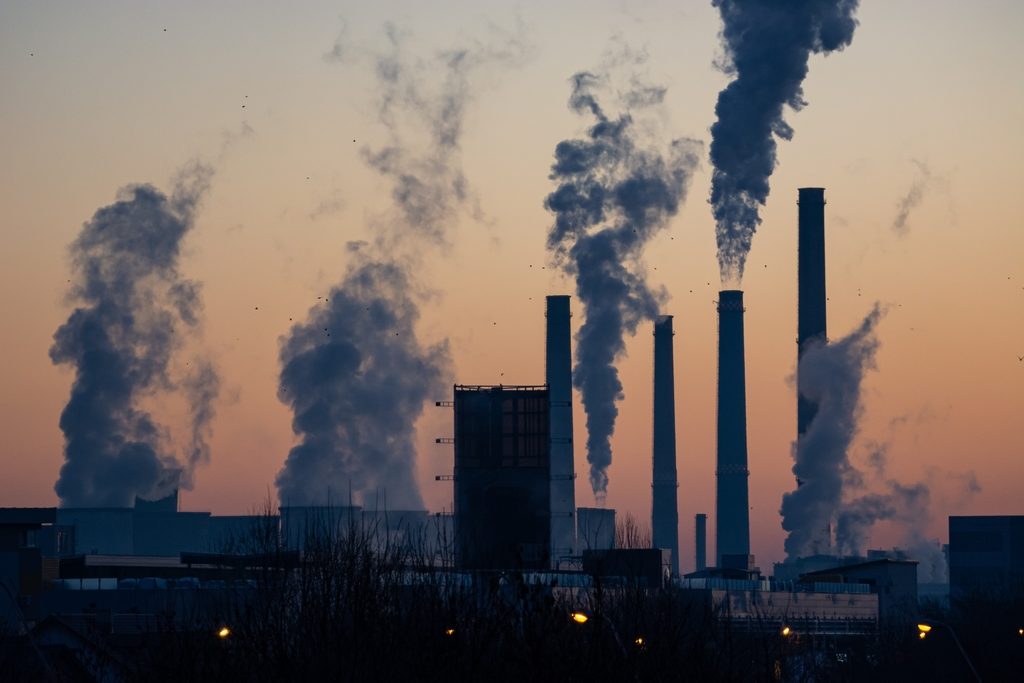
Reduced fossil‑fuel combustion lowers CO₂ concentrations, slowing global temperature rise. Secondary benefits include decreased air pollutants (SO₂, NOₓ, particulate matter), which improve air quality and reduce acid‑rain formation. Cleaner waterways result from fewer oil spills and reduced runoff from coal‑mining sites.
Human Health and Social Impacts
The World Health Organization links reductions in particulate matter to fewer cardiovascular and respiratory illnesses. A 2018 health‑impact model estimated that a $50‑per‑tonne carbon tax in the United States could avert up to 1.2 million premature deaths over 20 years, saving billions in health‑care costs.
Economic and Infrastructure Impacts
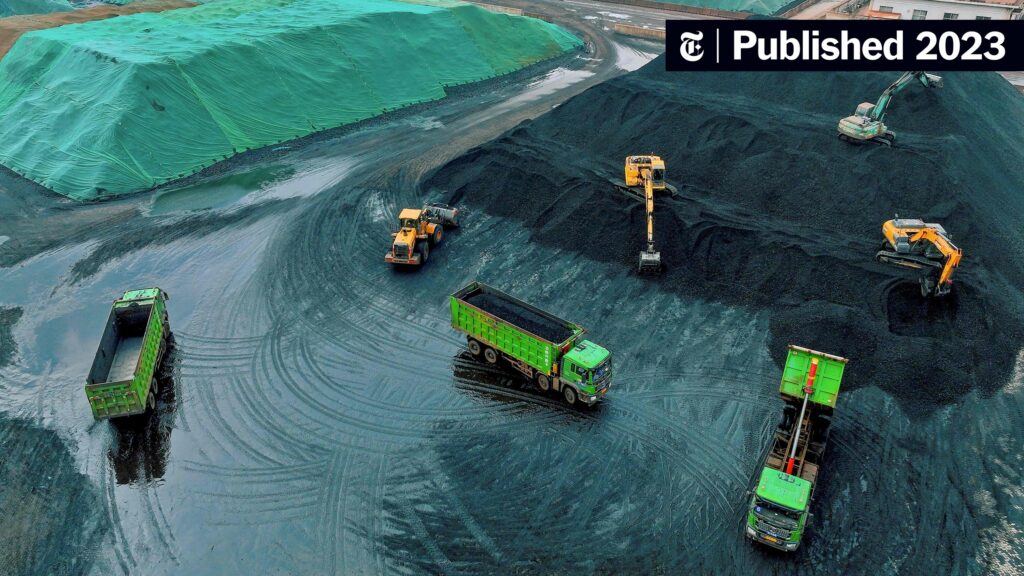
Revenue‑recycling mechanisms can bolster public services, fund resilient infrastructure, and create stable employment in construction, manufacturing, and engineering. Transition assistance for fossil‑fuel workers helps maintain community cohesion and reduces unemployment spikes in coal‑dependent regions.
Regional Differences
Implementation outcomes vary by geography. In Europe, high‑density urban areas experience rapid modal shifts to public transit because alternatives are readily available. In contrast, sparsely populated regions of the United States may require additional incentives for electric‑vehicle adoption due to limited charging networks. Developing nations with low tax administration capacity may face challenges in collecting the tax, but targeted international support can help design low‑cost monitoring systems.
What Scientists Know With High Confidence
- Raising the price of carbon consistently reduces fossil‑fuel consumption and CO₂ emissions.
- Revenue from carbon taxes can be redirected to clean‑energy projects, yielding net employment gains when designed with transition support.
- Air‑quality improvements from reduced combustion are a measurable co‑benefit of carbon pricing.
- Long‑term economic growth is not compromised by well‑designed carbon taxes; many economies have grown while emissions fell.
What Remains Uncertain
Key uncertainties include the precise elasticity of demand for different fuel types, the speed at which renewable‑energy technologies will scale in low‑income regions, and the extent to which carbon‑tax revenues will be allocated to job‑creation programs versus general budget needs. Further longitudinal studies are needed to track employment outcomes in communities heavily reliant on fossil‑fuel extraction.
Common Misconceptions
Misconception: Carbon taxes always raise the cost of living for everyone.
Reality: While headline energy prices rise, well‑designed dividend or rebate schemes can offset the impact for low‑income households, and the net health and climate benefits improve overall welfare.
Misconception: A carbon tax alone can solve climate change.
Reality: Carbon pricing is a critical tool but works best alongside regulations, standards, and public‑investment in research and infrastructure.
Misconception: Jobs are lost in the fossil‑fuel sector and never replaced.
Reality: Empirical evidence from Sweden and British Columbia shows that new jobs in renewables, energy efficiency, and public works can exceed the number of displaced fossil‑fuel positions when revenues are invested strategically.
Solutions and Limitations
Carbon taxes are a mitigation measure that directly addresses the cost of emissions. Their effectiveness hinges on four design elements:
- Rate level and trajectory: Too low a price yields modest emission cuts; overly steep rates risk economic shock.
- Revenue use: Recycling to green investment maximizes job creation, whereas diverting funds to unrelated spending reduces climate benefits.
- Border adjustments: To avoid carbon leakage—where production moves to jurisdictions with no tax—border carbon adjustments level the playing field.
- Equity safeguards: Targeted rebates or job‑training programs prevent disproportionate burdens on vulnerable groups.
Limitations include administrative complexity in measuring emissions for some industrial processes, potential short‑term employment losses in coal‑heavy regions, and political resistance from entrenched interests. No single policy can achieve zero emissions; carbon taxes must be paired with renewable‑energy standards, building‑code upgrades, and research funding.
What Individuals, Communities, and Governments Can Do
What Individuals Can Do
Support carbon‑pricing legislation, reduce personal energy use, and participate in community renewable projects. While individual actions alone cannot replace systemic change, they reinforce demand signals that make carbon taxes more politically viable.
What Communities and Organizations Can Do
Develop local clean‑energy cooperatives, advocate for revenue‑recycling programs that fund job training, and create public‑awareness campaigns that explain the benefits of carbon pricing.
What Governments Can Do
Design a transparent carbon tax with a clear schedule, allocate a substantial share of revenue to green‑infrastructure and workforce development, implement border adjustments, and monitor outcomes to adjust rates as needed.
What Businesses and Industries Can Do
Conduct carbon‑footprint assessments, invest in low‑carbon technologies, and engage in policy dialogues to shape tax structures that reward innovation.
Synthesis of Findings
Carbon taxes work by internalizing the climate cost of fossil‑fuel use, prompting emitters to adopt cleaner alternatives and generating public revenue that can be channeled into renewable‑energy projects and workforce training. High‑confidence evidence confirms that well‑designed taxes cut emissions and can create net employment gains, especially when revenues are earmarked for green jobs. Remaining uncertainties revolve around demand elasticity in specific sectors and the optimal allocation of tax proceeds. By pairing carbon pricing with equity safeguards, border adjustments, and complementary clean‑energy policies, societies can advance toward a low‑carbon economy without sacrificing economic stability.
Frequently Asked Questions
What is a carbon tax and how does it work?
A carbon tax is a fee applied to the carbon content of fossil fuels, raising the price of carbon‑intensive energy. This price signal encourages businesses and households to use less fossil fuel, switch to renewables, or improve efficiency, thereby reducing emissions.
How can a carbon tax lead to job creation?
Revenue from a carbon tax can be recycled into renewable‑energy projects, grid upgrades, and workforce‑training programs. These investments generate construction, manufacturing, and service jobs, often outweighing the employment losses in fossil‑fuel sectors when transition support is included.
What evidence shows carbon taxes reduce emissions?
Studies from Sweden, British Columbia, and a 2020 systematic review of 30 cases report average emission cuts of 11 % to 25 % after implementing carbon taxes, demonstrating a consistent link between higher carbon prices and lower CO₂ output.
Do carbon taxes hurt low‑income households?
If revenues are returned as rebates, dividends, or used for energy‑efficiency upgrades, low‑income families can see their net energy costs fall, offsetting the higher fuel prices and making the policy progressive rather than regressive.
How can governments ensure a carbon tax is effective and equitable?
Governments should set a clear, gradually rising rate, use part of the revenue for green infrastructure and job‑training, apply border adjustments to prevent carbon leakage, and provide targeted rebates or retraining for workers displaced from fossil‑fuel industries.






Leave a Comment