
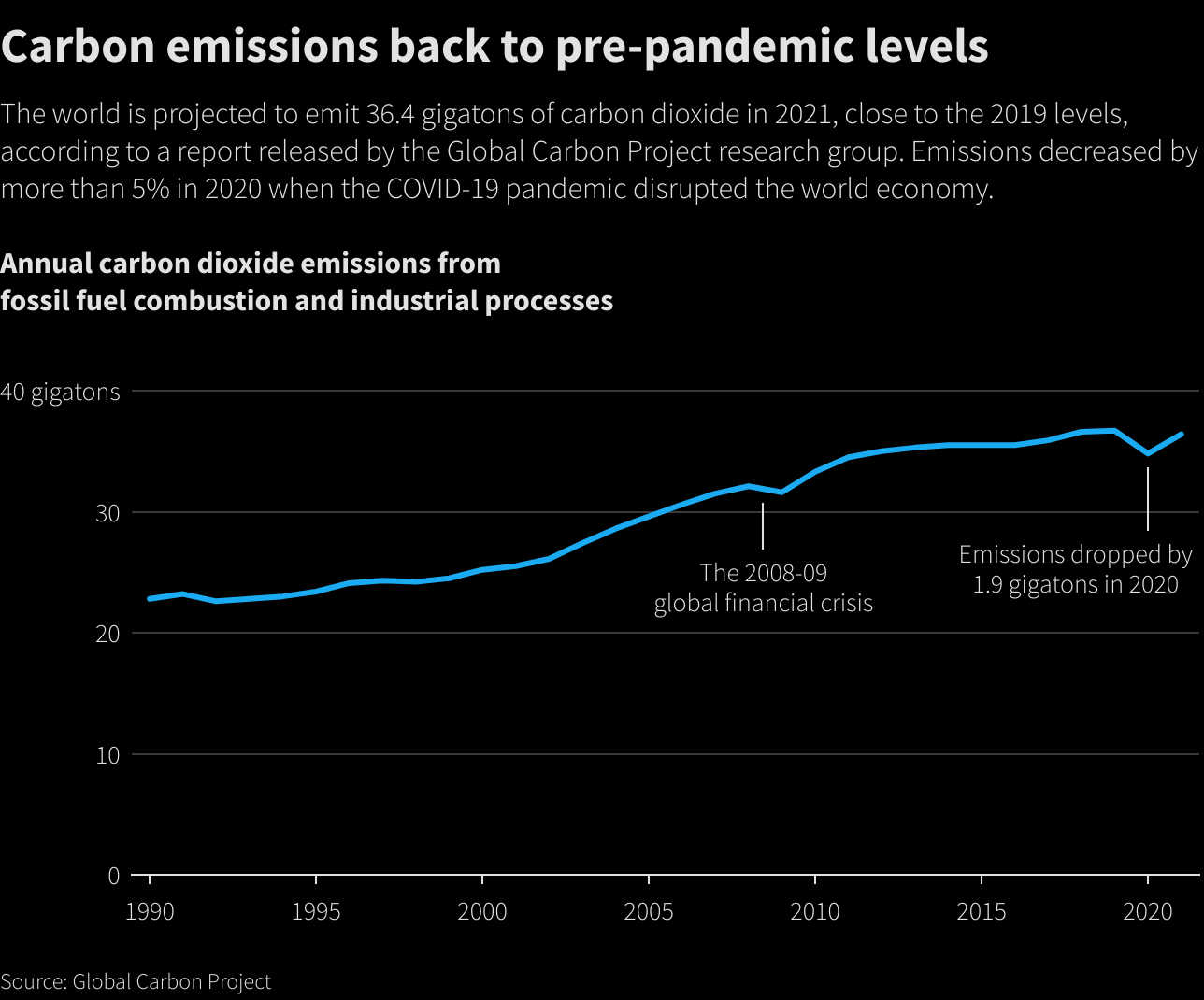
Global CO₂ emissions surged back to pre‑COVID‑19 levels after a brief pandemic‑induced dip, highlighting the tight link between economic activity, fossil‑fuel use, and climate risk.
Quick Answer
Global carbon dioxide (CO₂) emissions fell by about 6% in 2020 due to pandemic lockdowns, but by 2022 they had risen roughly 6% again, reaching the same annual total recorded in 2019. The rebound is driven mainly by renewed fossil‑fuel combustion in electricity generation, industry, and transport as economies reopened. Scientific assessments agree that the trend threatens the 1.5 °C warming limit, although the exact trajectory depends on future policy and technology adoption. Uncertainty remains around the speed of renewable‑energy deployment and the effectiveness of emerging mitigation measures.
Key Takeaways
- COVID‑19 caused a temporary 6% drop in global CO₂ emissions in 2020, but emissions returned to 2019 levels by 2022.
- The rebound is linked to higher coal, oil, and gas consumption as industries and transport resumed.
- Long‑term climate models show that without accelerated decarbonisation, the 1.5 °C target becomes increasingly unattainable.
- Renewable‑energy growth, energy efficiency, and policy reforms can curb the upward trend, but implementation varies by region.
- Individual actions matter, but systemic change in energy systems and industrial processes is essential.
What Is Global CO₂ Emissions Rebound to Pre‑Pandemic Levels?
The term describes the observed increase in anthropogenic carbon dioxide emissions after the 2020 pandemic‑related dip, bringing the annual total back to the amount recorded before the outbreak (approximately 36.4 billion tonnes in 2019). It encompasses emissions from all major sectors—energy, industry, transport, agriculture, and waste—measured as CO₂‑equivalent released to the atmosphere. The rebound differs from normal year‑to‑year variability because it follows a distinct, globally coordinated reduction caused by lockdowns and travel restrictions.
How Does It Work?
Re‑escalation of emissions follows a chain of human‑system responses:
- Economic reopening: Manufacturing plants, power stations, and logistics networks restart to meet pent‑up demand.
- Energy mix shift: Coal and natural‑gas plants are dispatched first because they are inexpensive and can quickly meet load, displacing lower‑carbon sources.
- Transport surge: Road traffic, aviation, and shipping volumes climb as people resume commuting and trade flows.
- Industrial processes: Cement, steel, and chemical production increase, each releasing CO₂ directly or through energy use.
- Feedback loops: Higher energy demand can depress renewable‑energy investment if policy incentives are weak, reinforcing fossil‑fuel reliance.
What Does the Evidence Show?
Multiple independent monitoring systems confirm the rebound. The International Energy Agency (IEA) reported that global CO₂ emissions from fuel combustion rose by 5.9% in 2021, returning to 2019 levels (IEA, 2022). Satellite observations from NASA’s OCO‑2 mission show a corresponding increase in atmospheric CO₂ growth rates. The Intergovernmental Panel on Climate Change (IPCC) Sixth Assessment Report (2021) notes that short‑term emission reductions during the pandemic had negligible effect on the long‑term warming trajectory because the underlying energy system remained carbon‑intensive.
Main Causes or Drivers
Direct Causes
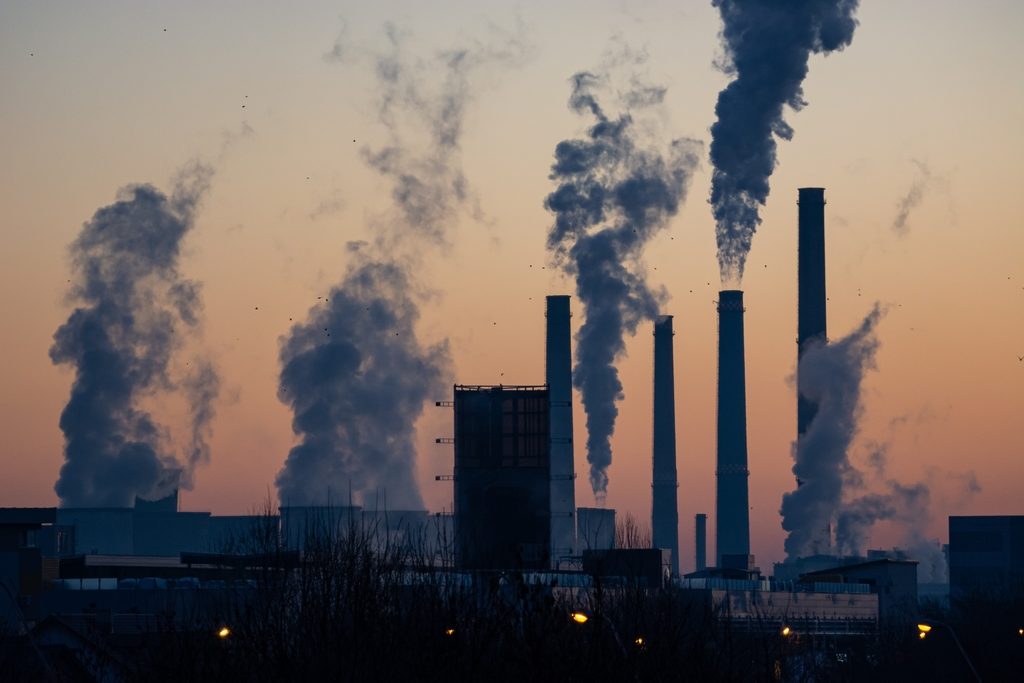
- Resumption of coal‑fired electricity generation, especially in Asia where coal accounts for >50% of power mix.
- Increased road and aviation fuel consumption as travel restrictions lifted.
- Higher demand for steel and cement, both of which emit CO₂ during production.
Underlying Drivers
- Insufficient policy incentives for renewable‑energy deployment.
- Global supply‑chain disruptions that favored cheap fossil fuels over greener alternatives.
- Economic stimulus packages that prioritized rapid growth over green recovery in many countries.
Environmental and Human Impacts
Environmental Impacts
Elevated CO₂ concentrations accelerate global warming, leading to sea‑level rise, altered precipitation patterns, and increased frequency of heatwaves. Ocean acidification intensifies as more CO₂ dissolves in seawater, threatening coral reefs and marine food webs.
Human Health and Social Impacts
Higher emissions often coincide with increased air‑pollutant levels (e.g., PM₂.₅, NOₓ), which are linked to respiratory and cardiovascular diseases. Vulnerable populations—low‑income urban residents and communities near fossil‑fuel plants—experience disproportionate health burdens.
Economic and Infrastructure Impacts
Climate‑related losses (e.g., flood damage, heat‑related productivity declines) are projected to rise by up to 10% of global GDP by 2050 if emissions continue on the current path (World Bank, 2021). Conversely, investments in clean energy can generate jobs and reduce long‑term adaptation costs.
Regional Differences
Emission rebounds are not uniform. In China, coal‑power generation rose by 8% in 2021, driving the largest share of the global increase. The United States saw a 4% rise, primarily from transport. In contrast, the European Union achieved a modest 2% increase, reflecting stronger renewable‑energy policies and higher energy‑efficiency standards. Low‑income nations often lack the fiscal space to transition quickly, making them more dependent on inexpensive fossil fuels.
What Scientists Know With High Confidence
- CO₂ is the dominant long‑lived greenhouse gas driving global temperature rise.
- Fossil‑fuel combustion accounts for roughly 75% of total anthropogenic CO₂ emissions.
- Short‑term emission dips, such as those in 2020, do not materially alter the long‑term warming trajectory without sustained structural change.
- Renewable‑energy costs have fallen dramatically, making clean power economically competitive in many regions.
What Remains Uncertain
Key uncertainties include the pace at which emerging technologies—such as long‑duration energy storage, carbon capture, utilisation, and storage (CCUS), and green hydrogen—will scale globally; the exact magnitude of behavioural rebound effects as economies recover; and the effectiveness of forthcoming policy frameworks (e.g., carbon‑pricing schemes) in different political contexts. Improved monitoring of sector‑specific emissions and more granular national data are needed to reduce these gaps.
Common Misconceptions
Misconception: The pandemic permanently solved the climate crisis.
Reality: The 2020 emission drop was temporary and resulted from reduced economic activity, not from systemic decarbonisation. Once activity resumed, emissions quickly rebounded.
Misconception: Renewable energy cannot meet growing demand.
Reality: Multiple studies (e.g., IEA, 2021) show that with adequate grid upgrades and storage, renewables can supply a majority of electricity demand in many regions.
Misconception: Individual lifestyle changes alone can offset the rebound.
Reality: Personal actions reduce a small fraction of total emissions; large‑scale policy, industry transformation, and infrastructure investment are required for meaningful mitigation.
Solutions and Limitations
Effective responses fall into three broad categories:
- Mitigation: Accelerating renewable‑energy deployment, improving energy efficiency, and expanding CCUS. Limitations include high upfront capital, need for supportive policies, and variable resource availability.
- Adaptation: Strengthening flood defenses, heat‑resilient infrastructure, and public‑health systems. Adaptation does not reduce emissions but reduces vulnerability.
- Policy & Governance: Implementing carbon pricing, phasing out fossil‑fuel subsidies, and enforcing stricter emissions standards. Political feasibility and social equity concerns can slow adoption.
What Individuals, Communities, and Governments Can Do
What Individuals Can Do
- Choose low‑carbon transport options (e.g., public transit, cycling, electric vehicles) where feasible.
- Reduce household energy use through insulation, efficient appliances, and smart thermostats.
- Support policies and companies that commit to science‑based emissions targets.
What Communities and Organizations Can Do
- Develop local renewable‑energy projects (e.g., community solar).
- Implement district‑heating systems that replace coal‑based boilers.
- Offer training programs for green‑skill jobs to facilitate a just transition.
What Governments Can Do
- Set ambitious, legally binding emissions‑reduction targets aligned with the Paris Agreement.
- Introduce or raise carbon taxes to internalise the climate cost of fossil fuels.
- Allocate public financing for clean‑energy research, grid modernization, and climate‑resilient infrastructure.
Synthesis
The post‑pandemic rebound of global CO₂ emissions illustrates how quickly carbon output can rise when fossil‑fuel reliance is left unchecked. Robust evidence links this trend to renewed electricity generation, transport, and industrial activity, with clear implications for climate, health, and economies. High‑confidence findings affirm the central role of CO₂ and the feasibility of renewable alternatives, while uncertainties centre on technology scale‑up and policy effectiveness. Sustainable progress will require coordinated mitigation, adaptation, and governance measures that go beyond individual actions, targeting the systemic drivers of emissions.
Frequently Asked Questions
Why did global CO₂ emissions fall in 2020 and then rise again?
Emissions fell in 2020 because lockdowns sharply reduced travel, industrial output, and electricity demand, cutting fossil‑fuel combustion. When economies reopened in 2021‑2022, factories, power plants, and transport resumed, causing emissions to climb back to pre‑pandemic levels.
What sectors contributed most to the emissions rebound?
The rebound is dominated by electricity generation (especially coal), road and aviation transport, and heavy industry such as cement and steel production. These sectors together account for roughly three‑quarters of the added CO₂.
How confident are scientists that the rebound threatens the 1.5 °C goal?
Scientists have high confidence that returning to pre‑pandemic emission levels keeps the world on a pathway that exceeds the 1.5 °C warming limit unless rapid decarbonisation occurs. This conclusion is based on multiple IPCC assessments and long‑term climate models.
Can renewable energy alone stop the emissions rebound?
Renewables can significantly reduce new emissions, but their impact depends on grid integration, storage, and policy support. Without complementary measures—such as energy efficiency, carbon pricing, and phase‑out of coal—renewables alone may not fully offset the rebound.
What practical actions can governments take right now?
Governments can set legally binding emissions targets, implement carbon taxes or cap‑and‑trade systems, phase out fossil‑fuel subsidies, and direct public funds toward renewable‑energy infrastructure, grid upgrades, and climate‑resilient projects.





Leave a Comment