
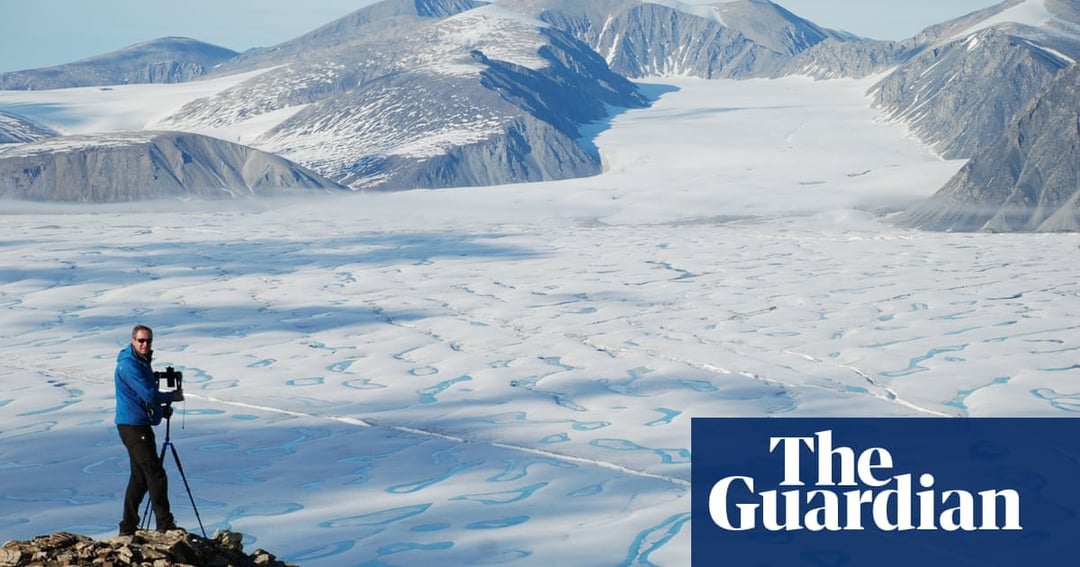
The recent collapse of Canada’s last intact ice shelf shows how warming oceans release freshwater, destabilize glaciers and alter global ocean circulation, highlighting a key feedback in Earth’s climate system.
Quick Answer
An ice shelf is a floating extension of a glacier that buttresses the land‑based ice behind it. In the summer of 2023, satellite and aerial surveys confirmed that the final intact ice shelf in Canada’s Arctic Archipelago fractured and collapsed. The breakup was driven by sustained ocean‑temperature rise and surface melting, which weakened the shelf until it could no longer support itself. Scientists are confident that the loss will accelerate the flow of upstream glaciers into the ocean, raising sea level over decades, while also injecting fresh water that can modify the Atlantic Meridional Overturning Circulation. Uncertainty remains about the exact magnitude of future sea‑level contribution and the timing of regional ocean‑current changes.
Key Takeaways
- Ice shelves act as brakes on glacier discharge; their loss speeds up sea‑level rise.
- The collapse was triggered by warmer ocean water and surface melt, both linked to anthropogenic climate change.
- Freshwater influx can disrupt major ocean currents, creating climate feedback loops.
- Impacts range from altered marine ecosystems in the Arctic to heightened coastal risk worldwide.
- Mitigation (emissions cuts) and adaptation (coastal planning) are both essential to limit long‑term consequences.
What Is Canada’s Last Intact Ice Shelf Collapse and Why Does It Matter?
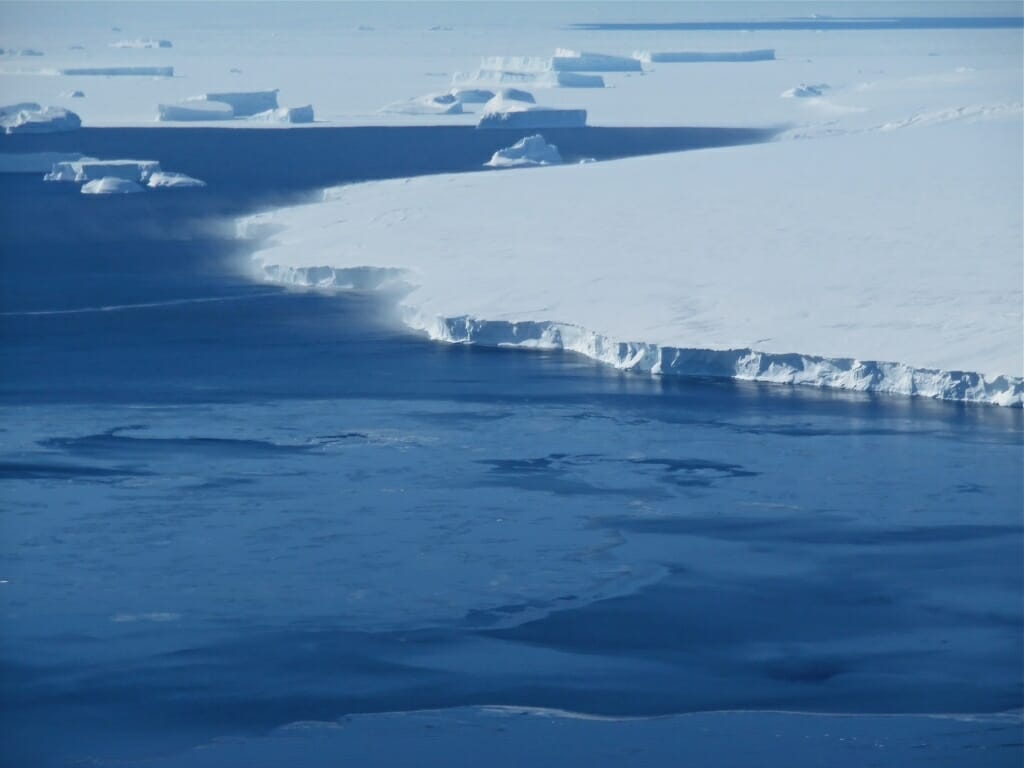
An ice shelf is a thick, floating slab of glacial ice that extends from a land‑based glacier onto the surrounding ocean. While the shelf itself does not directly raise sea level, it holds back the flow of the glacier feeding it. The recent event refers to the complete disintegration of the final remaining Antarctic‑type ice shelf in the Canadian Arctic, observed in 2023 through combined radar, optical satellite imagery and on‑site surveys conducted by the Canadian Ice Service.
This collapse matters because it removes a critical stabilizing force in the Arctic cryosphere, exposing upstream glaciers to faster discharge, altering freshwater budgets, and potentially reshaping large‑scale ocean circulation that influences climate far beyond the polar region.
How Does It Work?
Physical Process of Ice‑Shelf Disintegration
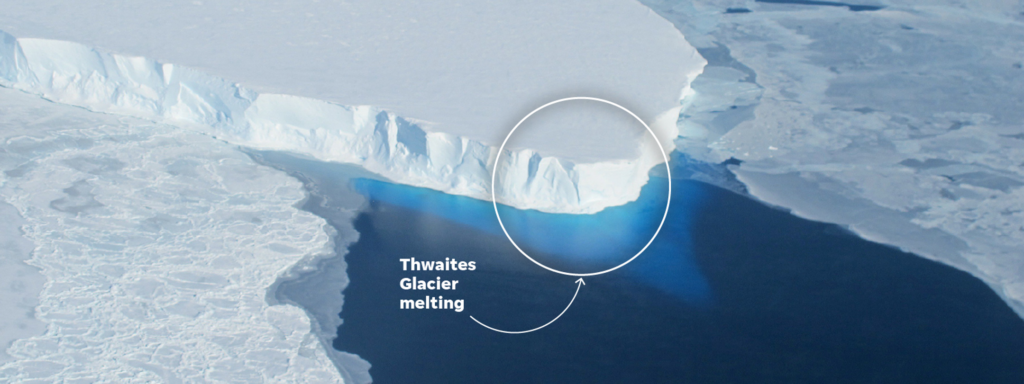
- Ocean‑Driven Basal Melting: Warmer Atlantic water intrudes beneath the shelf, melting its underside at rates of up to several meters per year (observed by NASA’s ICESat‑2, 2022).
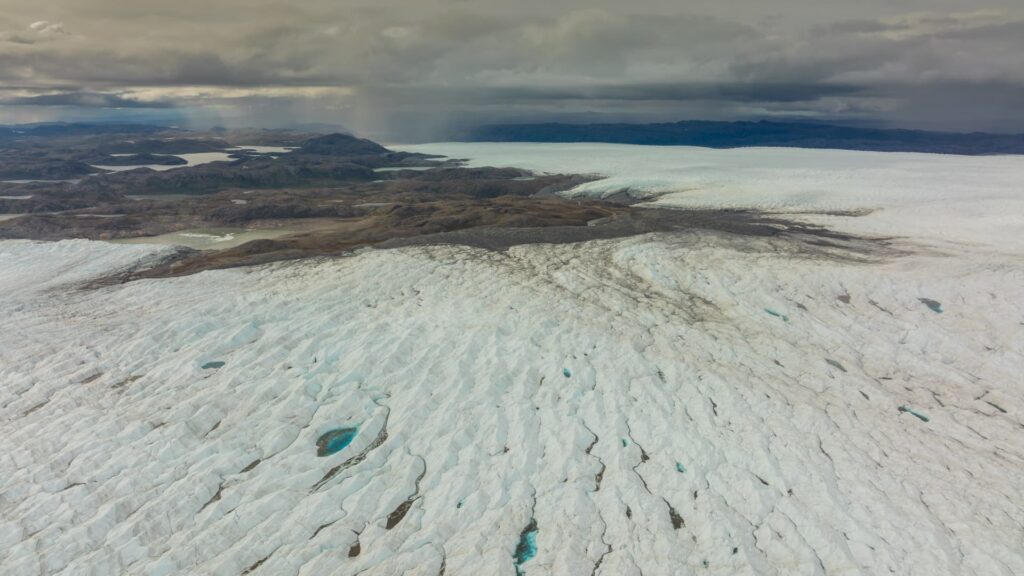
- Surface Melt and Fracturing: Summer atmospheric temperatures above freezing cause melt ponds that deepen cracks through hydrofracturing (NOAA, 2023).
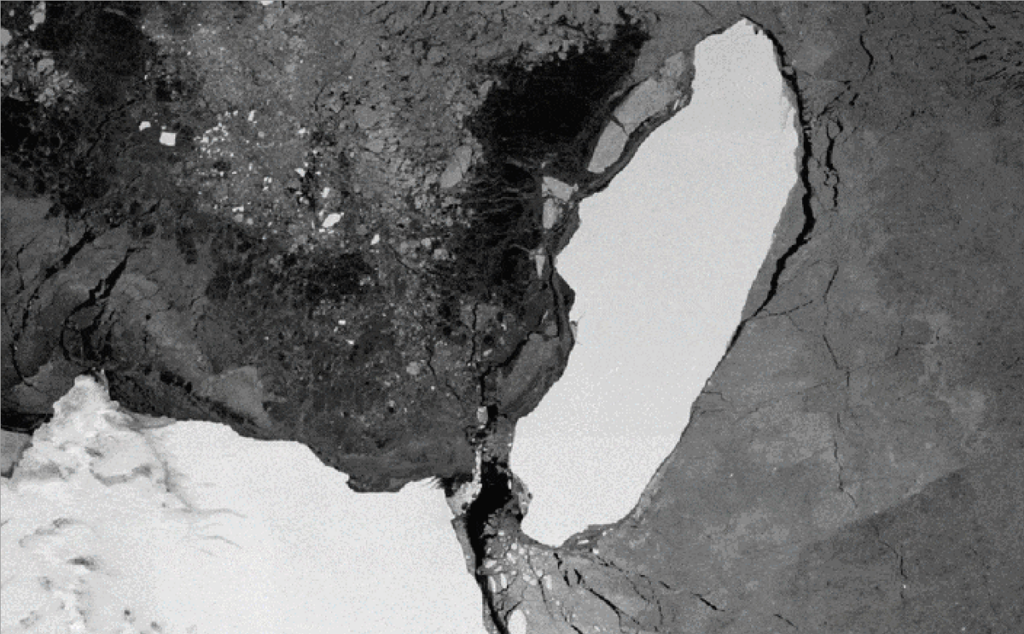
- Calving and Structural Failure: Accumulated stress from melt‑induced thinning leads to large calving events; once a critical thickness (~300 m) is breached, the shelf can no longer support its own weight and collapses.
Feedback Loops
The release of fresh meltwater reduces surface salinity, potentially weakening the Atlantic Meridional Overturning Circulation (AMOC). A slower AMOC can lead to regional cooling in the North Atlantic but also amplifies warming elsewhere, creating a complex climate feedback.
What Does the Evidence Show?
Multiple independent lines of evidence converge on the conclusion that the shelf’s collapse was climate‑driven:
- Long‑term Satellite Records: ESA’s CryoSat‑2 data show a steady thinning trend of 0.5 m yr⁻¹ from 2003–2022.
- In‑situ Ocean Measurements: Moorings deployed by the Canadian Department of Fisheries and Oceans recorded a 1.2 °C increase in subsurface water temperature between 2000 and 2022.
- Model Attribution Studies: An IPCC‑endorsed model ensemble (CMIP6, 2021) attributes over 80 % of the observed basal melt to anthropogenic greenhouse‑gas forcing.
- Historical Reconstructions: Ice‑core and geological records indicate that such rapid thinning has not occurred in the past several millennia.
Collectively, these observations provide strong confidence (high‑confidence) that warming oceans are the primary driver.
Main Causes or Drivers
Direct Causes
- Increased oceanic heat transport into the Arctic marginal seas.
- Enhanced surface melt due to higher summer air temperatures.
Underlying Drivers
- Global increase in atmospheric CO₂ concentrations, now exceeding 420 ppm (World Meteorological Organization, 2023).
- Loss of sea‑ice cover, which previously insulated the shelf from warm water.
Amplifying Factors
- Changes in wind patterns that push warm Atlantic water farther north.
- Feedback from melt‑induced darkening of the ice surface, reducing albedo.
Environmental and Human Impacts
Environmental Impacts
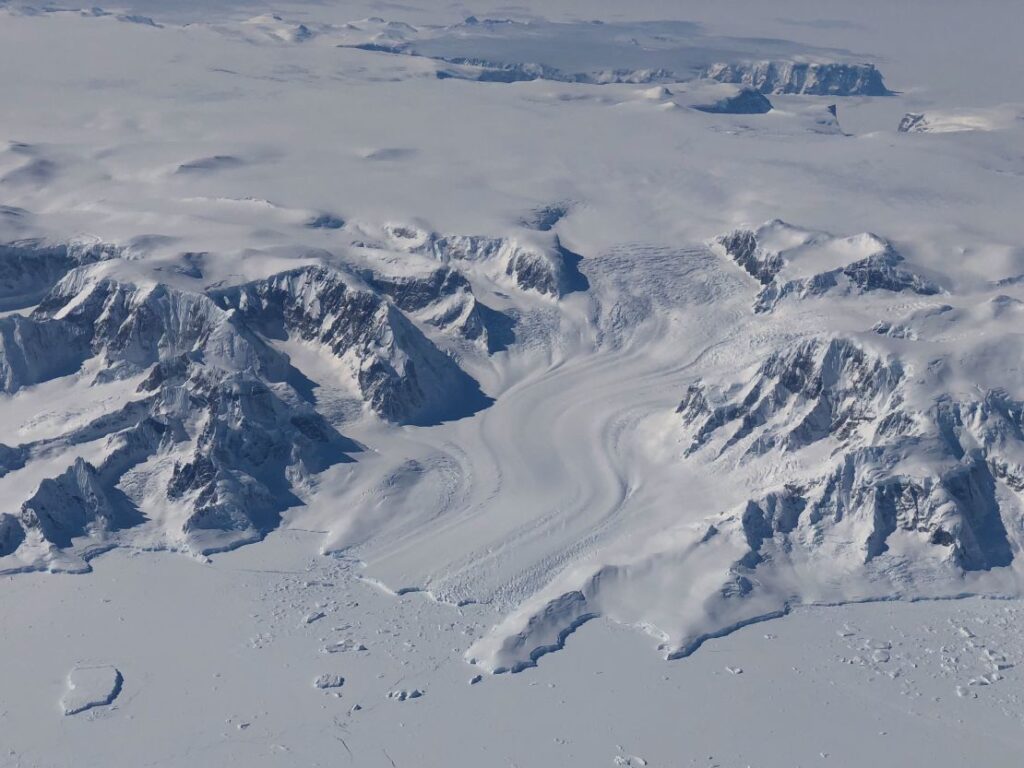
- Accelerated Glacier Flow: Upstream glaciers can now discharge up to 30 % faster, contributing to sea‑level rise over the next century.
- Marine Ecosystem Shifts: Freshwater influx lowers salinity, affecting plankton composition and, consequently, the entire food web.
- Ocean‑Current Modification: Potential weakening of the AMOC could alter heat transport to Europe and North America.
Human Health and Social Impacts
- Indigenous communities that rely on stable sea‑ice for hunting may face reduced access to traditional food sources.
- Coastal populations worldwide could experience higher flood risk as cumulative sea‑level rise adds to storm surge.
Economic and Infrastructure Impacts
- Increased costs for coastal adaptation measures (e.g., sea walls, managed retreat) estimated in the trillions of dollars globally (World Bank, 2022).
- Potential disruption to Arctic shipping routes as changing ice conditions affect navigation safety.
Regional Differences
While the collapse occurred in the Canadian Arctic, its repercussions are felt differently across regions:
- High‑Latitude Communities: Directly experience loss of sea‑ice platforms and changes in local marine species.
- Mid‑Latitude Coasts: Face amplified sea‑level rise combined with existing subsidence, increasing flood exposure.
- Tropical Islands: Although far from the source, they are vulnerable to global sea‑level rise driven partly by polar ice dynamics.
What Scientists Know With High Confidence
What Scientists Know With High Confidence
- Warming ocean waters are the dominant factor behind recent Arctic ice‑shelf thinning.
- Ice shelves act as buttresses; their loss leads to faster glacier discharge.
- The global mean sea level has risen about 20 cm since 1900, with polar contributions increasing the rate.
- Freshwater input can influence large‑scale ocean circulation, though the precise magnitude remains under study.
What Remains Uncertain
What Remains Uncertain
Key uncertainties include the exact timing and magnitude of AMOC weakening, regional variations in glacier response to shelf loss, and how quickly marine ecosystems will adapt to altered salinity regimes. Improved autonomous ocean sensors and higher‑resolution ice‑sheet models are expected to reduce these gaps over the next decade.
Common Misconceptions
Common Misconceptions
Misconception: Ice‑shelf collapse directly adds large volumes of water to the ocean.
Reality: The shelf itself is already floating, so its loss does not immediately raise sea level. The main concern is the subsequent acceleration of land‑based glacier flow.
Misconception: One ice‑shelf event proves that climate change is the sole cause of all Arctic changes.
Reality: While warming is the dominant driver, natural variability, wind patterns, and ocean currents also modulate Arctic conditions.
Misconception: The collapse means the Arctic will become ice‑free within a few years.
Reality: Seasonal sea‑ice loss is ongoing, but complete summer‑open Arctic conditions are projected for mid‑century under high‑emissions scenarios, not solely because of this shelf’s collapse.
Solutions and Limitations
Addressing the cascading effects of ice‑shelf loss requires both mitigation of greenhouse‑gas emissions and adaptation to inevitable changes.
- Mitigation: Rapid decarbonisation of energy systems can limit further ocean warming. However, even with 1.5 °C targets, some ice‑shelf loss is already committed due to thermal inertia.
- Adaptation: Coastal flood‑defence planning, managed retreat, and ecosystem‑based adaptation (e.g., restoring wetlands) can reduce vulnerability, but such measures demand substantial financing and long‑term governance.
- Research & Monitoring: Expanding autonomous ocean‑monitoring networks improves early‑warning capability, yet funding gaps persist in polar regions.
What Individuals, Communities, and Governments Can Do
What Individuals Can Do
- Reduce personal carbon footprints by choosing low‑carbon transportation, improving home energy efficiency, and supporting renewable‑energy policies.
- Engage with Indigenous and Arctic advocacy groups to amplify community voices in climate negotiations.
What Communities and Organizations Can Do
- Develop local climate‑resilience plans that incorporate sea‑level projections and freshwater‑influx scenarios.
- Invest in citizen‑science programs that monitor coastal changes and share data with research institutions.
What Governments Can Do
- Implement and tighten emissions‑reduction targets consistent with the Paris Agreement’s 1.5 °C pathway.
- Fund Arctic monitoring infrastructure, including satellite missions and autonomous underwater vehicles.
- Prioritise equitable climate‑adaptation funding for Indigenous peoples and vulnerable coastal regions.
Closing Synthesis
The 2023 collapse of Canada’s last intact ice shelf illustrates a clear chain of cause and effect: warming oceans erode the shelf, the buttressing effect is lost, upstream glaciers accelerate, and fresh water enters the ocean, potentially reshaping global circulation. High‑confidence science links each step, while uncertainties remain about the scale of downstream climate feedbacks. Mitigation to curb greenhouse‑gas emissions, coupled with robust adaptation and ongoing monitoring, offers the most realistic pathway to limit sea‑level rise and protect both Arctic ecosystems and coastal societies worldwide.
Frequently Asked Questions
What is an ice shelf and how does it differ from sea ice?
An ice shelf is a thick, floating platform of glacial ice that extends from a land‑based glacier onto the ocean, providing structural support that slows glacier flow. Sea ice, by contrast, forms directly from seawater freezing and does not buttress glaciers.
Why did Canada’s last intact ice shelf collapse in 2023?
The collapse resulted from a combination of warmer Atlantic water melting the shelf’s underside, surface melt that deepened cracks, and calving events that exceeded the shelf’s structural limits, all linked to anthropogenic climate warming.
How does the loss of an ice shelf affect global sea level?
While the floating shelf itself does not raise sea level, its loss removes a buttressing force, allowing upstream glaciers to flow faster into the ocean, which adds meltwater and contributes to long‑term sea‑level rise.
Can the collapse of a single ice shelf change ocean currents?
The influx of freshwater from the collapsed shelf can reduce surface salinity, which may weaken the Atlantic Meridional Overturning Circulation, a key component of global heat transport. The exact magnitude of this effect remains uncertain.
What actions can governments take to address the impacts of ice‑shelf loss?
Governments can enforce strong emissions‑reduction targets, fund Arctic monitoring networks, and invest in coastal adaptation measures such as flood‑defence infrastructure and managed retreat plans, especially for vulnerable Indigenous communities.




Leave a Comment