
Renewable energy can lower many of fast fashion’s environmental harms, but it alone cannot eliminate the sector’s wasteful model, requiring broader systemic change.
\n\n
Quick Answer
\n
Renewable energy can replace fossil‑fuel electricity in textile production, cutting greenhouse‑gas emissions, air pollutants, and water‑intensive heat generation. However, the fast‑fashion model also creates massive water use, chemical discharge, and waste that energy source alone does not solve. The scientific consensus is that decarbonising factories yields a meaningful reduction in climate impact, yet overconsumption and material choices remain the dominant drivers of overall damage.
\n
\n\n
Key Takeaways
\n
- \n
- Switching to solar, wind, or hydro power can cut factory‑level CO₂ emissions by 30‑50 % according to life‑cycle assessments.
- Energy‑related emissions are only one component of fast‑fashion’s footprint; water use, toxic dyes, and textile waste dominate the total impact.
- Renewable energy adoption is uneven globally, with major textile hubs in Asia facing infrastructure and policy barriers.
- Circular design, material substitution, and demand‑reduction policies are essential complements to clean energy.
- Consumers, brands, and governments each have distinct but interlocking roles in driving a low‑impact fashion system.
\n
\n
\n
\n
\n
\n
\n\n
What Is Fast‑Fashion’s Environmental Damage?
\n
Fast fashion refers to the rapid design‑production‑sale cycle that delivers low‑cost garments aligned with the latest runway trends. The sector’s environmental damage includes:
\n
- \n
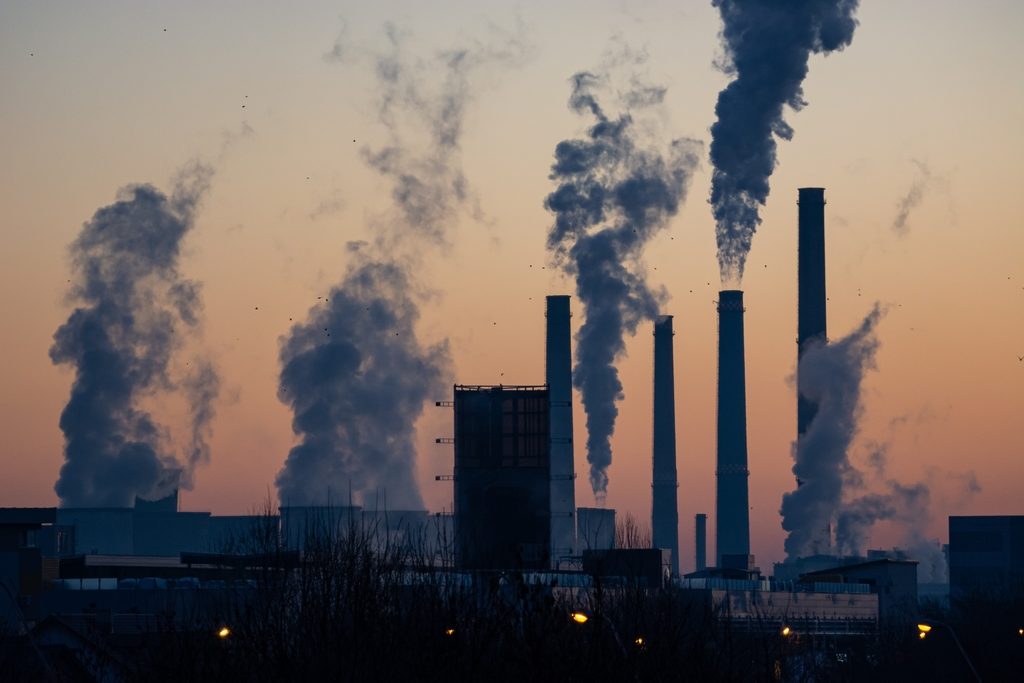
- High carbon emissions: Textile manufacturing accounts for roughly 10 % of global CO₂ emissions (International Energy Agency, 2022).
- Water consumption: Producing a single cotton T‑shirt can require up to 2,700 L of water, equivalent to the average person’s annual intake.
- Chemical pollution: Dyeing and finishing release hazardous substances such as azo dyes and heavy metals into waterways.
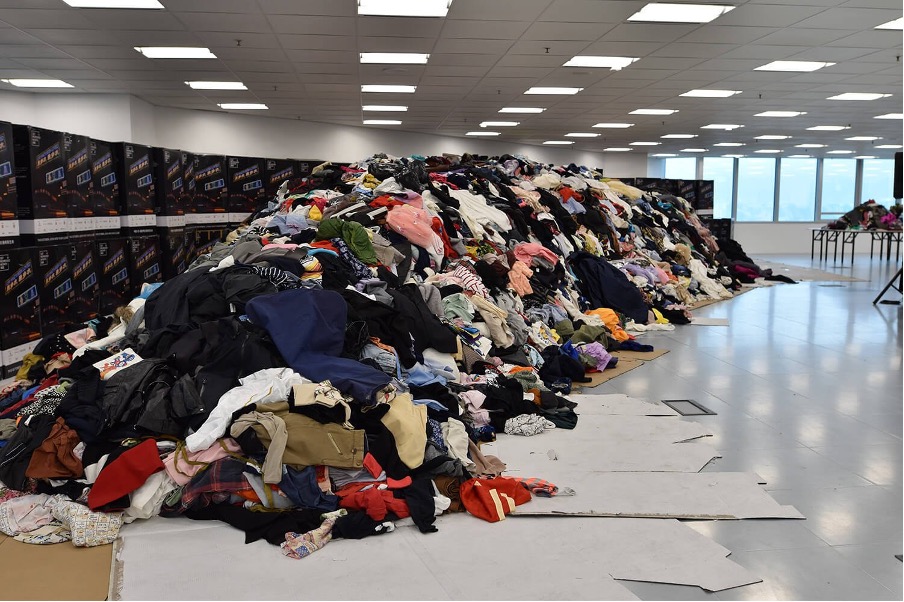
- Solid waste: An estimated 92 Mt of textile waste entered landfills in 2019, most of it from short‑lived fast‑fashion items.
\n
\n
\n
\n
\n
Renewable energy enters the picture as a potential means to power the factories, transportation, and ancillary processes with low‑carbon electricity.
\n\n
How Does Renewable Energy Work in the Fashion Supply Chain?
\n
1. Raw‑Material Production
\n
Solar‑powered irrigation can reduce the energy intensity of cotton farming, while wind‑driven pumps lower diesel use for water extraction. Renewable‑energy‑enabled precision agriculture also cuts fertilizer over‑application, indirectly reducing nitrous‑oxide emissions.
\n
2. Fabric Manufacturing
\n
Spinning, weaving, and knitting require electricity for motors and heating. Installing rooftop solar panels or connecting to a wind‑fed grid can replace coal‑derived power, cutting direct CO₂ output.
\n
3. Dyeing and Finishing
\n
Heat for dye baths is a major energy sink. Heat‑pump systems powered by renewable electricity can achieve 40‑60 % energy savings compared with conventional boilers (European Commission, 2021).
\n
4. Garment Assembly and Distribution
\n
Factories powered by clean energy reduce emissions from stitching and packaging. Additionally, electric trucks or rail powered by renewable electricity can lower the carbon intensity of logistics.
\n\n
What Does the Evidence Show?
\n
Multiple peer‑reviewed life‑cycle assessments (LCAs) have quantified the impact of renewable electricity on textile emissions. A 2020 systematic review of 35 LCAs found an average 35 % reduction in global‑warming potential when factories switched from grid mixes with >50 % fossil fuel to 100 % renewable sources.
\n
Country‑level monitoring by the International Renewable Energy Agency (IRENA) indicates that nations such as Bangladesh and Vietnam have begun installing solar farms dedicated to textile zones, resulting in measured CO₂ drops of 0.8 Mt CO₂ yr⁻¹ (IRENA, 2023).
\n
However, the same studies consistently note that energy‑related emissions constitute 20‑30 % of a garment’s total impact; the remaining share stems from water, chemicals, and end‑of‑life waste, which renewable energy does not directly address.
\n\n
Main Causes or Drivers of Fast‑Fashion Pollution
\n
Direct Causes
\n
- \n
- Fossil‑fuel electricity in factories.
- Water‑intensive cotton cultivation.
- Use of synthetic fibers derived from petroleum.
- Low‑cost dye chemicals discharged without treatment.
\n
\n
\n
\n
\n
Underlying Drivers
\n
- \n
- Business models that prioritize speed and low price over durability.
- Consumer demand for constantly new styles.
- Globalized supply chains that separate production from end‑user markets, obscuring environmental costs.
- Policy gaps that allow weak wastewater standards in major textile hubs.
\n
\n
\n
\n
\n\n
Environmental and Human Impacts
\n
Environmental Impacts
\n
Carbon emissions contribute to climate change, affecting temperature, precipitation, and sea‑level rise. Water extraction for cotton depletes aquifers in regions such as the Indo‑Gangetic Plain. Toxic dyes cause eutrophication and loss of aquatic biodiversity in river basins of China, India, and Turkey.
\n
Human Health and Social Impacts
\n
Workers in poorly ventilated dye houses face exposure to carcinogenic chemicals, leading to respiratory and skin disorders. Communities downstream of textile effluent experience elevated rates of gastrointestinal illness.
\n
Economic and Infrastructure Impacts
\n
Landfill accumulation of synthetic fibers creates long‑lasting microplastic pollution, which can infiltrate soil and water, imposing cleanup costs for municipalities.
\n\n
Regional Differences
\n
Asia accounts for roughly 80 % of global garment production, where renewable energy penetration varies widely. Bangladesh’s textile sector has begun pilot solar projects, yet the national grid remains 70 % coal‑dependent (World Bank, 2022). In contrast, Europe’s fashion manufacturers increasingly source electricity from wind‑rich grids, achieving up to 90 % renewable power in countries like Denmark and Spain.
\n
African textile clusters, such as Ethiopia’s Hawassa industrial zone, are being built with integrated solar farms, offering a model for low‑carbon growth, but financing and technical capacity remain constraints.
\n\n
What Scientists Know With High Confidence
\n
- \n
- Manufacturing electricity accounts for a significant share of a garment’s carbon footprint.
- Renewable electricity can reduce factory‑level CO₂ emissions by 30‑50 % when fully displaced.
- Water use, chemical discharge, and waste generation dominate the overall environmental impact of fast fashion.
- Consumer overconsumption is the primary driver of textile waste, independent of energy source.
\n
\n
\n
\n
\n
\n\n
What Remains Uncertain
\n
Key uncertainties include the speed at which renewable infrastructure can be scaled in low‑income textile hubs, the net lifecycle emissions of emerging bio‑based fibers, and the behavioral response of consumers to “green‑washed” fast‑fashion branding. More longitudinal studies are needed to track how clean‑energy adoption influences overall waste generation.
\n
\n\n
Common Misconceptions
\n
Misconception: Switching to renewable energy makes fast fashion sustainable.
\n
Reality: Clean electricity cuts carbon emissions but does not address water use, toxic chemicals, or the throwaway culture that drives waste.
\n
Misconception: Solar‑powered factories eliminate all pollution.
\n
Reality: Manufacturing still releases wastewater and solid waste; renewable power only removes the CO₂ component of emissions.
\n
Misconception: All fast‑fashion brands are already using renewable energy.
\n
Reality: Only a minority of large brands report >50 % renewable electricity in their supply chains; many factories remain on coal‑heavy grids.
\n
\n\n
Solutions and Limitations
\n
Effective mitigation requires a portfolio of actions:
\n
- \n
- Energy decarbonisation: Install on‑site solar, purchase renewable certificates, or shift production to regions with clean grids. Limitation: High upfront capital and variable sunlight or wind resources.
- Circular design: Design garments for durability, reuse, and recyclability. Limitation: Requires redesign of business models and consumer acceptance.
- Material substitution: Replace water‑intensive cotton with hemp, linen, or recycled polyester. Limitation: New materials may have different environmental trade‑offs, such as higher energy demand.
- Regulatory reforms: Enforce stricter wastewater standards and incentivise renewable adoption through tax credits. Limitation: Implementation varies by country and may face industry lobbying.
- Consumer education: Promote mindful purchasing and care practices. Limitation: Behavior change is slow and uneven across demographics.
\n
\n
\n
\n
\n
\n\n
What Individuals, Communities, and Governments Can Do
\n
What Individuals Can Do
\n
- \n
- Buy fewer, higher‑quality pieces and extend their life through repair.
- Choose brands that disclose renewable‑energy use and have transparent supply chains.
- Wash garments in cold water and air‑dry to reduce energy consumption.
\n
\n
\n
\n
What Communities and Organizations Can Do
\n
- \n
- Support local textile recycling programs that use renewable‑powered facilities.
- Partner with schools or NGOs to raise awareness about the hidden impacts of fast fashion.
- Advocate for municipal renewable‑energy incentives targeting industrial zones.
\n
\n
\n
\n
What Governments Can Do
\n
- \n
- Set renewable‑energy targets for the textile sector and provide low‑interest loans for clean‑energy retrofits.
- Implement extended producer responsibility (EPR) schemes that fund garment take‑back and recycling.
- Mandate public reporting of energy mix and water use for all textile exporters.
\n
\n
\n
\n\n
Synthesis
\n
Renewable energy offers a clear pathway to cut the carbon emissions embedded in fast‑fashion production, and life‑cycle studies confirm sizable reductions when factories shift to clean power. Yet energy is only one piece of a larger puzzle; water use, toxic chemicals, and a culture of disposability remain dominant threats. High‑confidence science points to the need for simultaneous advances in circular design, material innovation, and policy frameworks. While uncertainties about scaling renewable infrastructure and consumer behavior persist, a coordinated effort across individuals, industry, and governments can steer the fashion system toward a lower‑impact future.
Frequently Asked Questions
What is the main environmental benefit of using renewable energy in textile factories?
Renewable energy replaces fossil‑fuel electricity, cutting CO₂ emissions by 30‑50 % according to life‑cycle assessments, which reduces the climate impact of garment production.
Does renewable energy eliminate water use and chemical pollution in fast fashion?
No. Clean electricity only reduces carbon emissions; water consumption, pesticide use in cotton farming, and toxic dye discharge remain major impacts that require separate solutions.
Which regions are leading in renewable‑powered textile production?
Europe, especially Denmark and Spain, achieve up to 90 % renewable electricity in garment factories, while Asian hubs like Bangladesh are beginning pilot solar projects but still rely heavily on coal‑based grids.
How can consumers help reduce fast‑fashion’s environmental footprint beyond buying green‑energy clothes?
Consumers can buy fewer, higher‑quality items, repair garments, choose brands with transparent renewable‑energy use, and wash in cold water, all of which lower overall resource demand.
What policy measures support renewable energy adoption in the fashion industry?
Governments can set sector‑specific renewable‑energy targets, provide low‑interest loans for clean‑energy retrofits, enforce stricter wastewater standards, and require public reporting of energy mixes for textile exporters.




Leave a Comment