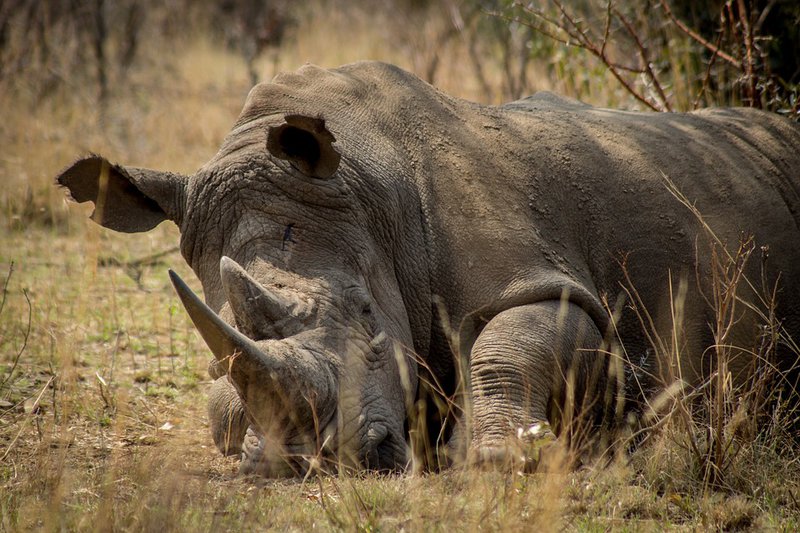
The realm of conservation often finds itself at the intersection of hope and despair, a battleground where the future of our planet’s biodiversity hangs precariously in the balance. Among the most iconic and endangered species facing existential threats are the magnificent rhinoceroses. These colossal herbivores have long been plagued by a sinister undercurrent of poaching, a nefarious practice driven primarily by the demand for their horns in illicit markets. However, recent judicial outcomes signal a stringent stance against such heinous acts, notably exemplified by the sentencing of three poachers to a staggering 105 years in prison in one of South Africa’s most momentous wildlife convictions. The implications of this case reverberate well beyond the courtroom, encapsulating themes of justice, conservation, and community awareness.
Foremost, understanding the details surrounding this landmark case illuminates the depths of the poaching crisis. The trio, comprising individuals who orchestrated the slaughter of rhinos for profit, were apprehended following an exhaustive investigation carried out by a coalition of law enforcement agencies and wildlife protection organizations. The scale of their operation was both audacious and systematic, involving organized crime syndicates that engaged in the brutal killing of these gentle giants for their valuable horns, which are erroneously believed in some cultures to possess medicinal properties. The penchant for such beliefs, despite scientific evidence to the contrary, underscores the urgent need for educational concerts aimed at dispelling these myths.
Secondly, the ramifications of the sentencing extend far beyond penal measures. By handing down a combined prison term of 105 years, the court has articulated a fervent message: South Africa will not tolerate wildlife crime. This sentence not only serves as a deterrent to would-be poachers but also reaffirms the moral obligation society holds towards the protection of endangered species. Such legal precedents are crucial in mitigating the rampant poaching that has decimated rhino populations across Africa, reducing their numbers from hundreds of thousands to barely a few thousand in just a few decades. The ruling energizes conservationists and empowers communities that have often felt powerless in the face of such criminal enterprises.
Moreover, this case sheds light on the interconnectedness of wildlife conservation and community welfare. The economic motivations behind poaching often stem from extreme poverty, where communities adjacent to wildlife reserves might see poaching as their only means of survival. Therefore, combating poaching necessitates a holistic approach, one that encompasses socioeconomic factors. Initiatives aimed at fostering sustainable livelihoods, promoting ecotourism, and engaging local populations in wildlife conservation efforts are paramount. Only through such integrative strategies can communities begin to shift perspectives on conservation—from viewing rhinos as mere targets for profit to appreciating them as invaluable components of their ecological heritage.
As the judicial hammer fell on the offenders, social media platforms and news outlets erupted with discourse surrounding the case. Public awareness campaigns have surged, showcasing both the plight of the rhinos and dragging the darker truths of poaching into the spotlight. The global community has the opportunity to rally together, advocating for stronger wildlife protection legislation and more robust international collaboration to dismantle the criminal networks that perpetuate such devastation. As people share stories and images, they contribute to a growing narrative that prioritizes wildlife conservation, celebrating the triumphs while remaining steadfastly aware of the uphill battles that lie ahead.
In addition to compelling legal repercussions, this case signals a proliferation of technological advances in wildlife conservation. Innovative solutions, such as drone surveillance, DNA tracking, and anti-poaching technologies have become pivotal in ridding protected areas of the scourge of poaching. This proclamation of technological prowess is not merely reactive; it acts preemptively, safeguarding rhinoceroses and other endangered species through enhanced monitoring and intelligence sharing. The fulcrum of this battle lies at the convergence of policy, technology, and passionate human engagement.
Despite the victories encapsulated by the sentencing of these poachers, the fight for the rhinos is far from over. They represent not just the struggle of a species but also the broader environmental narratives that encompass climate change, habitat destruction, and biodiversity loss. The synergy of advocacy, community involvement, and legislative innovation is essential in crafting a future wherein wildlife thrives alongside human populations. Hope resides in the courtroom verdict that resonates with those who labor tirelessly in conservation efforts, reinforcing that justice can prevail.
Ultimately, as we navigate the complex web of wildlife conservation, the story of the three poachers serves as both a cautionary tale and a testament to the enduring spirit of those committed to protecting Earth’s fragile ecosystems. It beckons readers—individuals, activists, and policymakers alike—to recognize the urgency with which we must act to safeguard these majestic creatures for generations to come. No longer can we view rhino conservation as a peripheral concern; it is indeed a pressing ethical mandate that requires collective action and unwavering resolve. The narrative has shifted, from one of despair and decline to one of hope and resilience, spurring a global movement for change.









Leave a Comment