
As we step into 2025, the evidence is irrefutable: extreme weather events have escalated into an unparalleled crisis, costing nations monumental sums and reshaping our natural landscape. Recent analyses indicate that these calamitous occurrences have accumulated losses exceeding $100 billion – a staggering reflection of not just economic impact but also of how climate change has irreversibly altered our expectations and preparedness.
The reality is stark; our environment is inextricably linked to our economic stability. Here, we delve into fourteen notable extreme weather events that have marred early 2025, laying bare both their immediate toll and their implications for the future.
1. The Catastrophic Polar Vortex in the Northeast
A severe polar vortex in January plunged temperatures to unprecedented lows across the northeastern United States. The brutal cold snap led to astronomical energy demands, causing power outages that affected millions. In total, damages and economic losses from disrupted industries and emergency services eclipsed $15 billion.
2. Devastating Floods in Southeast Asia
In February, torrential rains unshackled catastrophic floods in parts of Southeast Asia, particularly affecting Indonesia and Malaysia. Displacement and infrastructural collapse have resulted in losses surpassing $20 billion, illuminating the susceptibility of developing nations to climate-induced devastations.
3. Unprecedented Wildfires in Australia
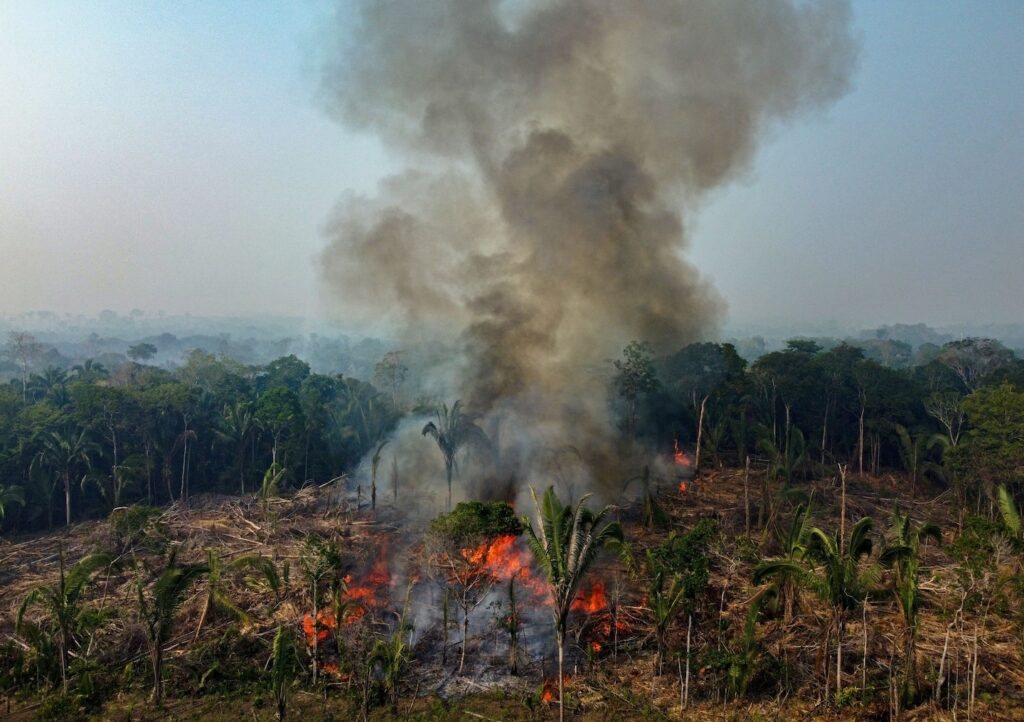
March heralded a ferocious wildfire season in Australia, exacerbated by prolonged drought conditions. These wildfires razed thousands of homes and significantly impaired biodiversity, incurring an economic toll of nearly $18 billion. The aftermath underscores the pressing need for more robust fire management strategies.
4. Intense Tornado Outbreak in the Midwest
A remarkable tornado outbreak swept through the American Midwest in April, with multiple EF4 tornadoes causing significant structural damage. The aftermath left a path of devastation across towns and infrastructures, causing losses approaching $11 billion, and raising alarms about preparedness for such severe phenomena.
5. Record Heatwaves Across the Southwest
Summer arrived with a vengeance as the Southwest baked under record heatwaves. Cities like Phoenix faced temperatures soaring above 120°F. The health implications, alongside damage to local agriculture, resulted in economic ramifications estimated at $9 billion. This reality serves as a stark reminder of how heat extremes can decimate food security.
6. Hurricane Resurgence on the Gulf Coast
The Gulf Coast faced a formidable hurricane season, with multiple storms making landfall. One notable hurricane inflicted damage exceeding $25 billion, as severe flooding and wind damage ravaged communities and left infrastructure in shambles. Such catastrophes amplify the voices that demand comprehensive climate action.
7. Cyclone Destruction in the Indian Subcontinent
In May, a powerful cyclone made landfall, wreaking havoc across coastal regions of India. The economic losses from agricultural ruin and displaced populations surged to an estimated $12 billion. This event starkly illustrates the intersection of climate vulnerability and socio-economic status in developing regions.
8. Snowstorm Catastrophe in the Rocky Mountains
A dramatic late-season snowstorm hit the Rocky Mountains in early June, blanketing the region and causing deadly avalanches. The costs associated with emergency services and road repairs rose to $6 billion, emphasizing the importance of accurate weather forecasting and community preparedness.
9. Drought Impact on the Central Plains
The Central Plains experienced debilitating drought conditions, drastically reducing crop yields. In July alone, the agricultural sector faced losses of approximately $14 billion. This continuing pattern of drought accentuates the urgency for sustainable water management practices.
10. Flash Flooding in European Cities
Flash floods inundated city streets in various European countries this summer, resulting in displaced communities and emergency evacuations. Economic impacts from damage to urban infrastructure soared to $8 billion, challenging the resilience of cities previously thought equipped to handle such occurrences.
11. Ice Storm Devastation in Canada
March in Canada was marked by a fierce ice storm that downed power lines and crippled transportation systems across multiple provinces. The economic repercussions amounted to $7 billion, emphasizing the need for improved infrastructure resilience in face of such formidable weather phenomena.
12. Sea Level Rise Threats in Coastal Regions
Cumulative effects of rising sea levels caused encroachment on coastal cities in August, particularly in locations like Miami and New Orleans. The estimated damages related to flooding and necessary adaptive infrastructure reached $10 billion. This looming crisis highlights the inevitable challenge of climate migration.
13. Atmospheric River Events on the West Coast
In September, atmospheric rivers unleashed torrential rains on the West Coast, causing severe flooding and impacting agricultural lands. Damages and losses have been quantified at $11 billion, further emphasizing the weather extremes that coastal regions now routinely face.
14. The Economic Implications of Climate Inaction
The sheer cumulative cost of these fourteen extreme weather events is a grim illustration of the economic implications of climate inaction. As the upward trend in severe weather continues unabated, the urgency to shift global policies and invest in sustainable technologies has never been clearer.
As we navigate this growing crisis, one lesson shines through: proactive measures must accompany reactive responses. The transition to a more sustainable future rests not only in policy change but also in collective societal action. Each of us holds the power to influence the trajectory of our environment and the economy. In an era marked by uncertainty, it is our obligation to innovate, adapt, and survive.










Leave a Comment