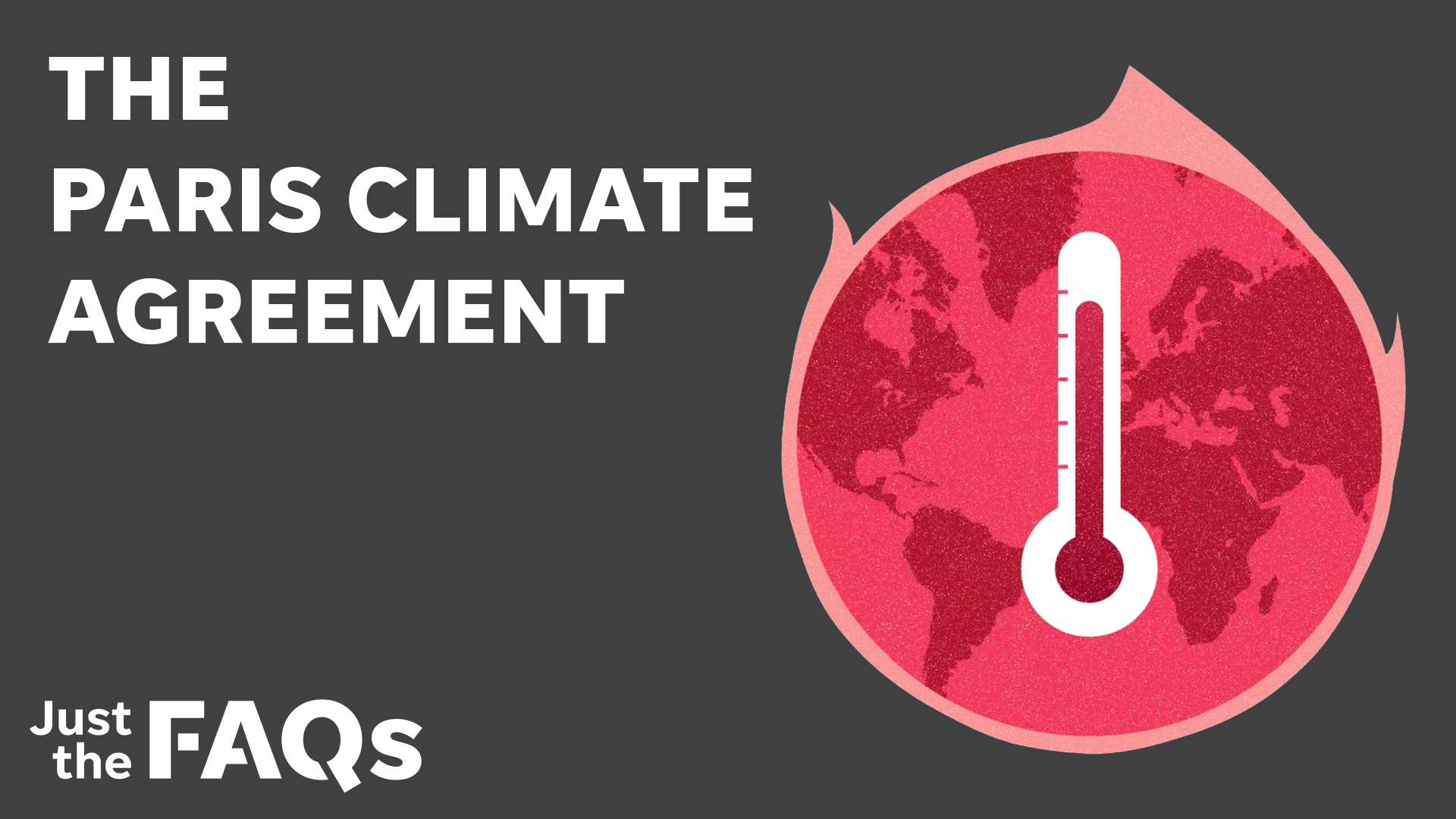
As the world reflects on a decade since the inception of the Paris Agreement, it becomes imperative to scrutinize the myriad ways in which national responsibility gaps impede climate goals. Originally adopted in 2015, this landmark accord aimed to unite nations in the fight against climate change, striving to limit global warming to below 2 degrees Celsius. However, as the decade progresses, the complexities surrounding national commitments reveal significant disparities that exacerbate the challenges of achieving the global objectives.
The Paris Agreement ushered in a revolutionary framework for international climate policy. It established a bottom-up approach, wherein each country delineated its contributions to emissions reductions, known as Nationally Determined Contributions (NDCs). Nevertheless, the very foundation of this framework harbors a crucial flaw: the voluntary nature of these commitments leads to a staggering variability in ambition and accountability. Countries with vastly different economic capabilities and political will often present NDCs that reflect more ambition on paper than in practice. This disparity creates a patchwork of responsibilities, making it increasingly difficult to gauge collective progress.
One of the primary exacerbating factors in this equation is the ambition gap. Many countries are currently failing to meet their declared targets. According to recent assessments, global emissions are projected to rise instead of tapering as mandated by the Agreement. This shortfall underscores a critical issue: nations often set NDCs based on internal political pressures rather than aligning with the scientific consensus on necessary reductions. Significantly, emerging economies and developed nations frequently find themselves at odds regarding how to approach reductions without crippling their economic growth. As a result, countries like the United States and China, which are among the largest emitters, occupy considerably different positions in their ambition and adherence to the Agreement’s goals.
Furthermore, developed nations have a historical responsibility to lead in emissions reductions, given their industrial histories. However, a palpable reluctance persists in many of these countries to fulfil their obligations, particularly concerning financial and technological support for developing nations. The principle of common but differentiated responsibilities underpins the Paris Agreement, advocating for wealthier nations to assist those less economically robust. Yet, the shortfall in the $100 billion per year pledge for climate finance by 2020 epitomizes the national responsibility gap that continues to undermine progress.
Worse still is the incidence of greenwashing—when countries or corporations adopt misleading claims about their environmental impact or sustainability efforts. This phenomenon complicates public discourse, as it creates a veneer of compliance while masking the stark reality that many nations are far from meeting their commitments. The urgency of the climate crisis necessitates genuine accountability, but the continued prevalence of greenwashing erodes public trust and diverts attention from structural reforms essential for meaningful progress.
Technology transfer also surfaces as a significant issue in addressing national responsibility gaps. Nations in the Global South are often in dire need of advanced technologies that would enable them to transition to greener energy sources. However, the barriers to accessing such technology remain formidable, with intellectual property rights and market competition creating impediments. Without equitable access to innovative solutions, many developing countries find themselves hamstrung in their efforts to meet climate targets, further entrenching the divide between nations.
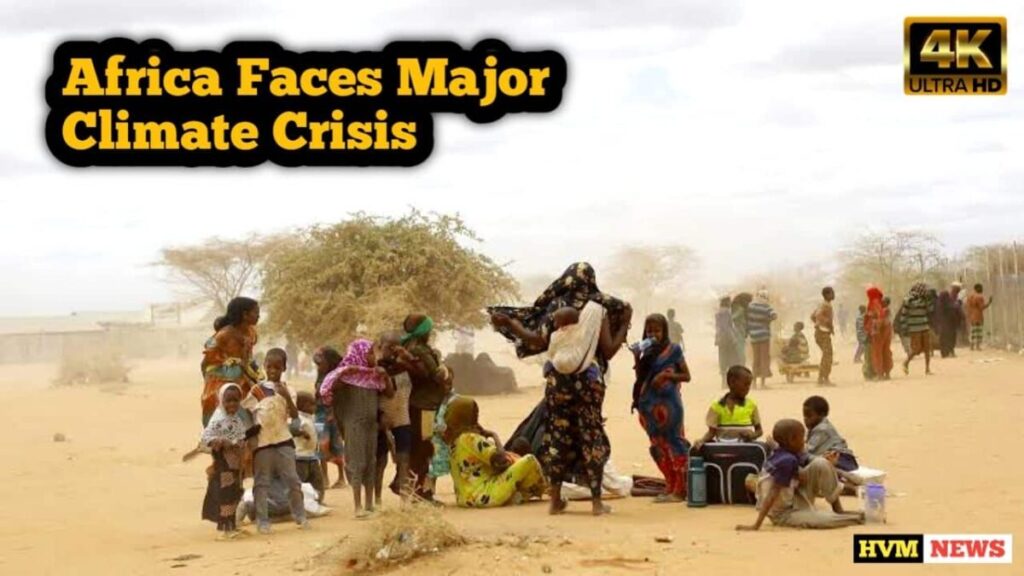
The dialogue surrounding loss and damage provisions is another critical aspect of national responsibility gaps. Developing nations bear the brunt of climate impacts, yet discussions on reparative mechanisms are fraught with tension. Many industrialized nations are apprehensive about taking on liability for historical emissions, leading to a stagnation in negotiations. As extreme weather events grow increasingly frequent and severe, there is an ethical imperative for wealthier nations to acknowledge their role in exacerbating vulnerabilities faced by the Global South.
In this context, the concept of climate justice emerges as essential for navigating the chasm between national responsibilities. Climate justice posits that those who contribute most to environmental degradation must be held accountable to those who suffer from its consequences. This perspective aligns rhetoric with action, requiring nations to a) ratchet up commitments and b) authentically engage with the vulnerable populations who endure the fallout of climatic shifts. Only through this prism can we hope to bridge the responsibility gap that so imperils our global climate goals.
As the calendar turns toward the next decade, various stakeholders must mobilize to address these pressing challenges. Civil society’s role cannot be overstated. Grassroots movements and activist organizations serve as crucial entities in pushing for accountability and transparency. They wield the power to hold governments accountable, advocating for stronger climate policies and amplifying marginalized voices that have historically been overlooked in climate dialogues. The engagement of the youth climate movement exemplifies this newfound dynamism, as younger generations demand immediate and ambitious action from their leaders.
In parallel, the role of businesses in combating climate change cannot be minimized. Corporate commitments to sustainability are increasingly scrutinized, with consumers demanding more transparency regarding the environmental impacts of products. The integration of sustainability into business models can drive innovation, creating new markets for green technologies. Furthermore, companies that uphold rigorous environmental standards often outperform those that neglect sustainability, demonstrating that economic growth and environmental stewardship are not mutually exclusive.
In conclusion, ten years on from the Paris Agreement, the national responsibility gaps pose substantial threats to achieving critical climate goals. The ambitious framework established in 2015 remains compromised by disparities in commitment, accountability, and ambition. Addressing these divides necessitates a concerted effort from all sectors of society, united by a collective vision of a sustainable and equitable future. Only through systemic change and genuine collaboration can we hope to meet the unprecedented challenges posed by climate change. Time is of the essence, and the world must rise to fulfill its commitments—before it is too late.









Leave a Comment