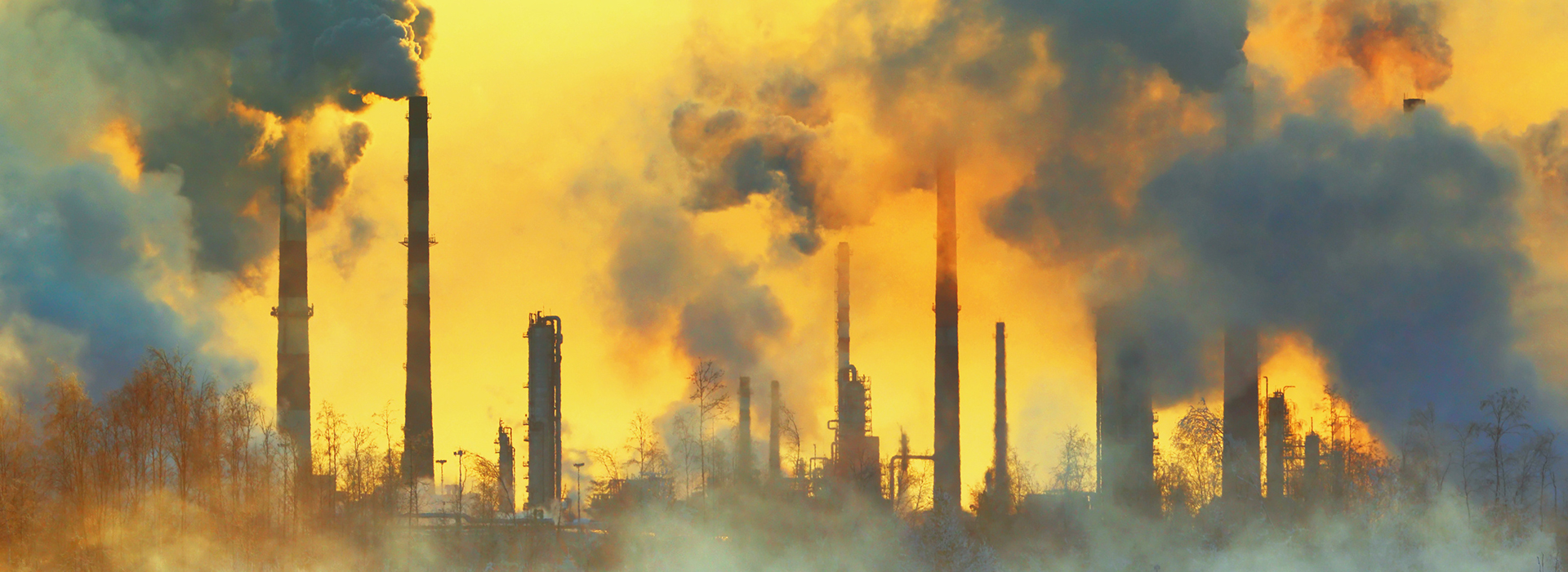
In the grand tapestry of life on Earth, air pollution weaves a dark thread that threatens to unravel the delicate balance of our ecosystems and well-being. Few recognize that with every breath we take, we are not merely inhaling oxygen; we are imbibing a cocktail of chemicals that can either nourish or poison our bodies and the planet. The following are ten alarming facts that illuminate the insidious nature of air pollution and its profound impact on climate change.
1. A Silent Assassin in the Air
Air pollution is often described as a silent assassin, lurking in the invisibility of the atmosphere. It is responsible for an estimated 7 million premature deaths each year, rendering it one of the deadliest environmental health risks. This statistic should serve as a stark reminder that the air above us can be as lethal as it is vital.
2. The Paradox of Particulate Matter
Particulate matter (PM) is a multifaceted foe, with sizes that can infiltrate our lungs and enter our bloodstream. These microscopic invaders—ranging from soot to heavy metals—can exacerbate chronic respiratory diseases, compromise cardiovascular health, and even disrupt neurological function. This paradoxical nature of particulate matter lies in its dual ability to catalyze both immediate health crises and long-term climate effects.
3. The Relation Between Air Quality and Climate Change
Air pollution and climate change are inextricably linked, akin to two dancers entwined in a tragic ballet. The combustion of fossil fuels releases not just carbon dioxide (CO2), a principal driver of climate change, but also black carbon—an insidious pollutant that absorbs sunlight and accelerates global warming. Thus, we must recognize that mitigating air pollution is not simply a health imperative, but a crucial strategy for combatting the climate crisis.
4. Ground-Level Ozone—a Hidden Danger
The provocative irony of ground-level ozone reveals itself in the fact that it is not emitted directly into the air, but rather formed by the interaction of sunlight with pollutants such as volatile organic compounds (VOCs) and nitrogen oxides. This hazardous component of smog can cause respiratory ailments, diminish lung function, and impact crop yields, thereby threatening food security. Ground-level ozone serves as an uninvited guest at our environmental dinner table, feasting on our health and agricultural stability.
5. Global Economic Implications
Beyond the immediate health risks, air pollution bears serious economic ramifications. According to estimates, air pollution costs the global economy nearly $5 trillion annually in welfare losses. These staggering figures serve as a clarion call to policymakers, urging them to invest in cleaner industries and sustainable technologies. Investing in air quality can yield dividends not just in healthier populations, but in economic resilience.
6. Vulnerable Populations
The most vulnerable among us—children, the elderly, and low-income communities—bear the brunt of air pollution’s wrath. Children are not just our future; they are particularly susceptible to the noxious effects of poor air quality, with studies linking exposure to cognitive deficits and developmental issues. Minority communities often face disproportionate exposure, compounding the systemic inequalities that already plague our societies. The struggle for clean air becomes a struggle for social justice.
7. Wildlife at Risk
Air pollution extends its reach far beyond human health, inflicting peril upon our precious wildlife. Pollutants such as nitrogen oxides can disrupt aquatic ecosystems, leading to acid rain that alters the chemistry of our lakes and rivers. Terrestrial species are not spared either; reduced air quality can impair their foraging ability and reproductive success, creating a ripple effect throughout the food web. Every species has a role, and air pollution dilutes the symphony of life.
8. The Role of Technology in Addressing the Crisis
In this age of innovation, technology stands as both a cause and a panacea. Renewable energy sources—such as solar, wind, and hydroelectric power—offer a beacon of hope, enabling us to break free from the chains of fossil fuel dependence. Advanced filtration systems and air quality monitoring tools empower individuals and communities to take action against pollution. Technology can illuminate pathways to cleaner air, but only if harnessed with the right intent.
9. The Necessity of Policy Change
True progress requires more than individual action; it necessitates systemic change. Governments must enact and enforce stricter air quality regulations, prioritize public transportation, and invest in green infrastructure. The policies we create today will determine the air quality of tomorrow. A robust commitment to environmental justice and public health must underpin these regulations, ensuring that the voices of marginalized communities resonate within the halls of power.
10. Our Collective Responsibility
Ultimately, the fight against air pollution lies in collective action. Just as pollution does not recognize boundaries, neither should our efforts to combat it. We must advocate for cleaner air, educate ourselves and others about the dangers, and hold our leaders accountable. Each breath we take serves as a reminder of our interconnectedness and our shared responsibility to ensure that future generations inherit a healthier, more vibrant Earth.
As the saying goes, “What happens in the air, does not just stay in the air.” The interplay between air pollution and climate change is a clarion call urging us to rise from complacency and seize the challenge of ensuring a breathable future. The thread of air quality might seem thin, but it holds our shared existence in its delicate weave.









Leave a Comment