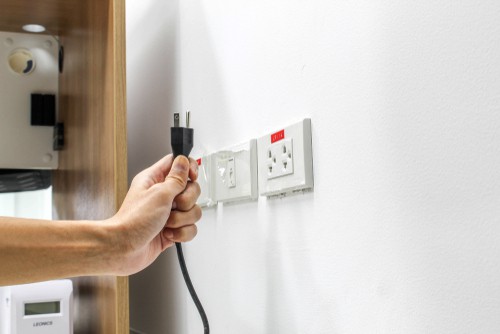
As we navigate the complexities of modern living, the imperative to conserve energy grows ever more pronounced. With concerns about climate change and the depletion of our natural resources looming large, the question of energy consumption is at the forefront of our collective consciousness. Among the intricacies of our home energy use lies a simple yet profoundly effective strategy: unplugging devices. This seemingly minor action can yield significant reductions in electricity usage, directly impacting both our bills and the environment. But which devices should you prioritize when it comes to unplugging? This article delineates a comprehensive approach to identifying the most energy-hungry appliances and gadgets in your home.
The concept of phantom loads—also known as standby power—encompasses the energy consumed by devices when they remain plugged in even in the absence of active use. Many homeowners are oblivious to this silent energy drain, which can account for a staggering 10% or more of residential energy consumption. By targeting specific groups of devices, one can effectively curtail this unnecessary expenditure. Let’s delve into the categories of devices that warrant your attention.
First and foremost, one must consider the omnipresent electronics that occupy our lives. Televisions, gaming consoles, and computers are prime candidates for phantom load energy consumption. Even in their off state, many of these devices continue to draw power for features like remote activation and updates. For instance, newer television models often have features that allow them to be turned on remotely or to update applications while powered down. By unplugging these devices, especially during periods of inactivity, you can reclaim a notable amount of energy.
Next, turning our attention to chargers—those ubiquitous accomplices to our daily digital devices—merits serious consideration. Think about the number of chargers lying in wait: for smartphones, tablets, laptops, and more. These chargers, when left plugged into an outlet, continue to draw electricity even when the device is not connected. This phantom energy can accumulate over time, leading to unnecessary power consumption. A conscientious approach involves unplugging chargers once they have fulfilled their purpose, thus mitigating their energy intake.
Kitchen appliances form another significant category that often contributes to unused energy expenditure. Items such as microwave ovens, toasters, and coffee makers may stay plugged into the wall, perpetually sucking energy. While they might not consume excessive amounts individually, when aggregated, their energy usage can take a toll. Furthermore, newer kitchen gadgets, especially those with digital interfaces or standby modes, can be particularly voracious. Considering how frequently we use these devices, it is prudent to maintain vigilance and unplug them when they are not actively in use.
Then, let us not overlook the power of larger appliances. Refrigerators, washing machines, and dishwashers are constants in our households, but false assumptions about their energy profiles can lead to higher consumption than necessary. While it is impractical to unplug a refrigerator, one can still make informed decisions about its settings and maintenance to optimize its energy efficiency. However, models with display screens, smart technology, or connectivity features can be unplugged during extended periods of absence—such as vacations—accruing savings during that timeframe.
Household lighting should also be included in this discussion. Transitioning to LED bulbs considerably reduces energy usage. Still, forgetting to switch off lights in unoccupied rooms can negate those savings. Strategically employing smart power strips and timers can streamline this process, allowing you to unplug or cut power to multiple devices in one action.
Fans—whether ceiling-mounted or portable—are another often-overlooked source of energy waste. Leaving fans running in empty rooms is a common oversight. Unplugging these devices when not in active use can decrease your overall electricity consumption with minimal effort. Additionally, utilizing natural ventilation can often substitute for mechanical cooling, thereby reducing reliance on electric fans.
Moreover, outdoor equipment warrants attention. Garden lights, landscaping features, and outdoor appliances frequently remain plugged in under the assumption that energy use is negligible. However, such devices can contribute significantly to the overall energy bill, especially if they operate on timers or have prolonged operating hours. Disconnecting these devices when they are not needed—especially in off-seasons—will aid in limiting their energy drain.
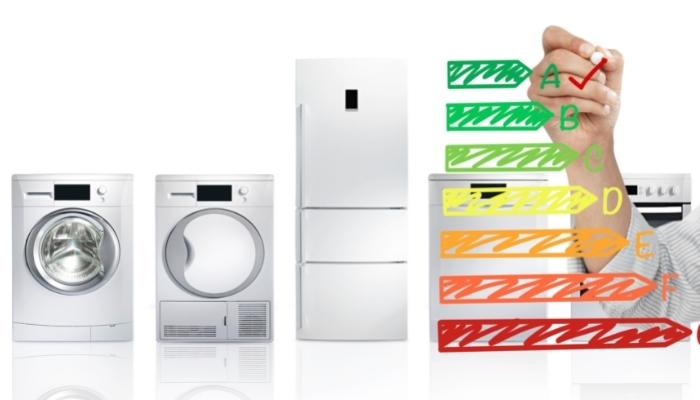
Finally, suitable strategies extend beyond just unplugging devices. Educating oneself about the energy efficiency ratings of appliances can motivate informed purchases. The transition toward energy-efficient models serves as a long-term solution to energy conservation. By supporting products with the ENERGY STAR label, consumers facilitate a broader shift toward sustainable living.
In contemplating the most effective avenues for energy conservation, the profound impact of unplugging devices becomes evident. Beyond personal savings, the collective efforts of individuals can lead to substantial reductions in national energy consumption, subsequently fostering a healthier planet. By embracing these practices, you are not merely curbing electricity costs—you are also engaging in a pivotal act of environmental stewardship.
Ultimately, the commitment to unplugging devices requires mindfulness and proactive behavior, traits that can be cultivated over time. As we continue to grapple with environmental challenges, every small action contributes to a grander solution. Step by step, device by device, we have the power to create a more sustainable future.






Leave a Comment