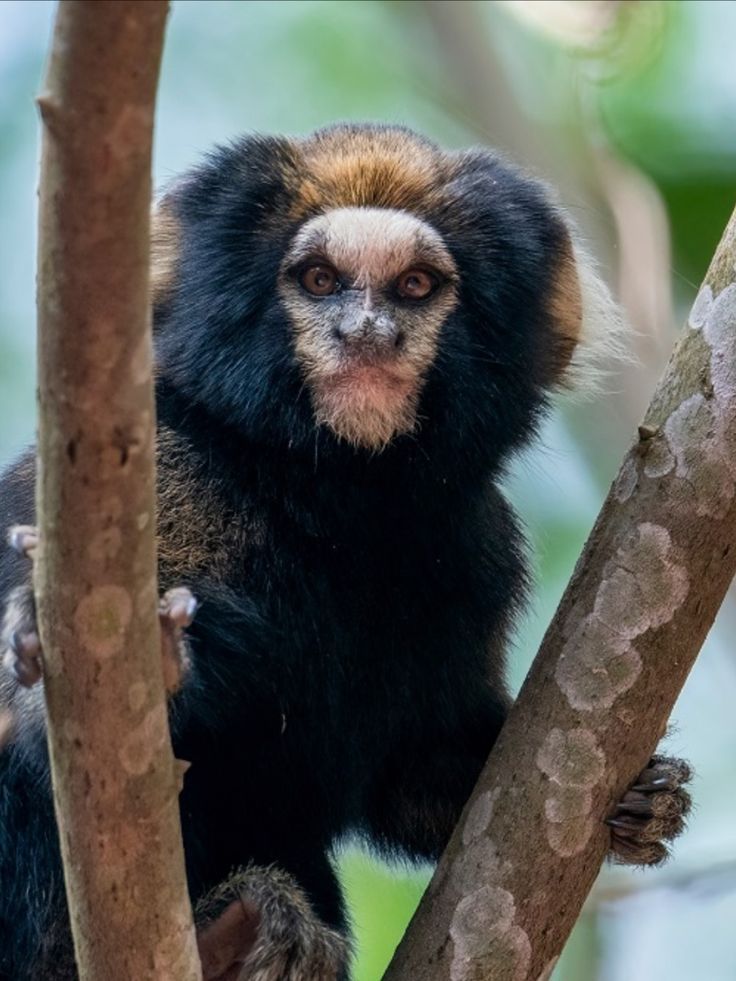
The Buffy-Tufted Marmoset, an extraordinary primate native to the lush, verdant landscapes of Brazil, beckons us to reconsider our relationship with the natural world. This diminutive creature, with its striking tufted ears and captivating personality, is not merely a subject of academic curiosity; it embodies the intricate tapestry of biodiversity that is precariously balanced on the brink of collapse. As we delve into the enigmatic life of the Buffy-Tufted Marmoset, we uncover not just the challenges it faces but the profound lessons it imparts for humanity.
At first glance, the Buffy-Tufted Marmoset (Callithrix aurita) captures the imagination with its expressive, wide-set eyes and enchanting appearance. Its characteristic buffy tufts, which emerge from the sides of its head, further distinguish it from its fellow New World monkeys, creating an air of singularity and allure. This species predominantly inhabits the Atlantic Forest, a biodiverse ecosystem that has been continuously ravaged by deforestation, urban encroachment, and agricultural expansion. This habitat, once sprawling and teeming with life, now exists in fragmented pockets, casting an ominous shadow over the survival of not only the marmoset but countless other species that share its home.
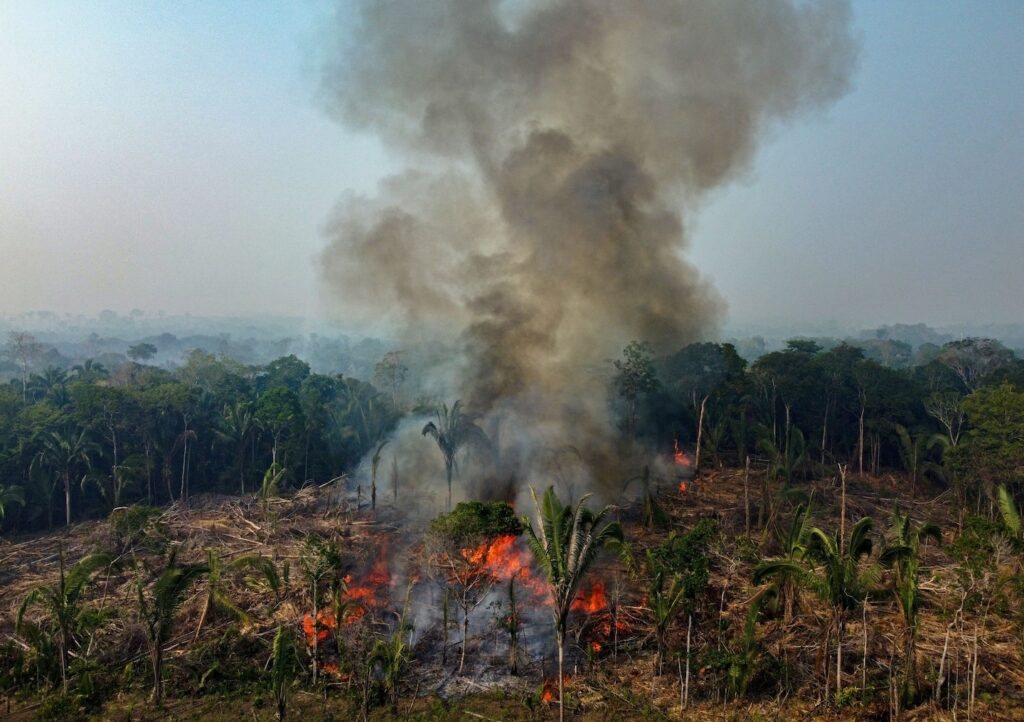
One cannot discuss the plight of the Buffy-Tufted Marmoset without contemplating the impact of human activity on its habitat. The relentless hunger for land has resulted in alarming rates of deforestation. As trees succumb to the saw, the marmosets find their homes obliterated, their food sources diminished. This transformation of their environment is not merely a loss of trees; it is the erosion of a complex web of life that has existed for millennia. In this epoch of environmental crisis, the plight of the Buffy-Tufted Marmoset serves as a stark reminder of the fragility of ecosystems and the delicate balance that sustains them.
In addition to habitat loss, the Buffy-Tufted Marmoset is threatened by poaching and the illegal pet trade. Captured for the allure of their beauty and charm, these primates face unimaginable stress, as they are torn away from their family units and subjected to unnatural living conditions. The ethical implications of such actions are profound. Taking a marmoset from its natural habitat not only imperils the individual but creates ripple effects within the ecosystem. Each marmoset removed is one less pollinator, one less consumer, and an integral part of the ecological puzzle missing its piece. The societal observations regarding wildlife trade propel us toward a moral reckoning: how do we justify the commodification of life?
Despite this grim reality, the story of the Buffy-Tufted Marmoset is not solely one of despair. It is also one imbued with fortitude and potential. Conservation efforts are gaining momentum, fueled by the dedicated work of researchers and activists who recognize the intrinsic value of preserving this remarkable species. Initiatives aimed at habitat restoration, public education, and legal protections are critical in the crusade to stave off extinction. Communities are being engaged in conservation dialogues, fostering a collective sense of responsibility towards the environment. Such grassroots endeavors can cultivate a culture of stewardship, reinstating a harmonious balance between human development and wildlife preservation.
Moreover, the appeal of the Buffy-Tufted Marmoset transcends its physical beauty. It invites us to ponder the interconnectedness of all species in our ecosystems. Its social structure is marked by intricate relationships and communication that mirror our own societal dynamics. Observations of these marmosets have revealed a remarkable capacity for cooperation and altruistic behavior. Such striking parallels challenge the perception that humans are the apex of social complexity. Instead, they beckon us to acknowledge that intelligence is multifaceted, and that our fellow inhabitants of Earth possess wisdom that we have yet to fully comprehend.
As we reflect upon these insights, we must confront the crucial question: what future do we envision for species like the Buffy-Tufted Marmoset? Will we regard their existence as incidental, or will we elevate them to the forefront of our environmental consciousness? The narrative surrounding this species is emblematic of a larger conversation about humanity’s role as stewards of the planet. In recognizing our agency, we discover the power to effect change.
The time has come to embrace a transformative ethos grounded in empathy, awareness, and action. By supporting conservation efforts, promoting responsible tourism that respects wildlife habitats, and advocating for sustainable practices, we can facilitate a resurgence of hope not only for the Buffy-Tufted Marmoset but for a plethora of species teetering on the edge of oblivion. Every effort counts. Education can catalyze a shift in perspective; awareness can nurture a sense of urgency.
In conclusion, the saga of the Buffy-Tufted Marmoset is a microcosm of the larger environmental narratives we face today. Its struggles reflect the myriad challenges confronting our planet, while its resilience inspires hope and action. By choosing to engage with the plight of this remarkable species, we are empowered to join a global movement towards ecological harmony. The destiny of the Buffy-Tufted Marmoset hangs in the balance, and it is our collective decisions that will dictate whether this enchanting primate thrives or fades into the annals of history. The choice is ours, and the time for action is now.










Leave a Comment