
When we think of our homes, we often envision them as sanctuaries—a place where comfort and warmth envelop us as twilight descends. Yet, behind these welcoming façades lies a stark reality: our reliance on natural gas for heating, cooking, and other domestic activities. The allure of natural gas is undeniable; it promises efficiency and cost-effectiveness. However, the impact of fossil fuel consumption, especially natural gas, calls for introspection and action. This article delves into practical yet profound methods to reduce natural gas usage at home, thus nurturing both our living environment and the planet.
To embark on this journey of reduction, one must first understand the predominant areas where natural gas is utilized in the household. Heating systems, water heaters, and appliances are the top culprits. Addressing these elements requires a holistic approach that not only conserves energy but also fosters a culture of sustainability.
1. Upgrade to Energy-Efficient Appliances
A pivotal step toward diminishing natural gas consumption is the adoption of energy-efficient appliances. When it comes to heating and cooking, traditional units often consume more gas than necessary. Opting for appliances that are certified with the ENERGY STAR label can yield significant savings in both energy expenditure and greenhouse gas emissions. For instance, modern condensing furnaces boast an impressive annual fuel utilization efficiency (AFUE) of 90% or higher, a far cry from older models that struggle to exceed 70% efficiency.
2. Enhance Home Insulation
One cannot underestimate the importance of insulation in the quest to conserve energy. Poorly insulated homes not only leak precious heat but also force heating systems to work tirelessly, thus consuming excessive natural gas. Investing in quality insulation materials—such as cellulose, fiberglass, or spray foam—in walls, attics, and even floors can create an airtight barrier that minimizes energy loss. This strategic move not only curtails gas usage but also ensures a consistently comfortable living space year-round.
3. Install Programmable Thermostats
As we delve deeper into the realm of temperature control, the merits of programmable thermostats emerge. These devices allow homeowners to set specific heating schedules, ensuring warmth during active hours while reducing temperatures during periods of inactivity. Indeed, a mere reduction of 1 degree Fahrenheit can translate into a 3% decrease in gas consumption. Embracing technology thus becomes a pivotal strategy in our energy-saving arsenal.
4. Consider Alternative Heating Solutions
In an age where alternatives abound, it is time to scrutinize the traditional heating models that predominantly employ natural gas. Renewable energy sources, such as geothermal and solar heating systems, present viable alternatives. While the upfront costs might be higher, the long-term savings—both financial and environmental—paint a promising picture. Heat pumps and solar panels harness energy from the earth and sun respectively, offering an ingenious method to sidestep reliance on fossil fuels.
5. Embrace the Warmth of Radiant Floor Heating
The allure of radiant floor heating transcends mere aesthetics; it epitomizes efficiency. Unlike conventional forced-air systems that can result in uneven heat distribution, radiant heating systems deliver warmth directly to occupants through the floors. This reduced reliance on gas-powered heating allows for lower settings on thermostats without compromising comfort. Additionally, radiant heating systems can be seamlessly integrated with solar energy solutions, further diminishing gas dependence.
6. Optimize Hot Water Usage
Water heating is a particularly gas-intensive activity, often overlooked in discussions regarding energy conservation. Insulating water heaters and using heat traps can significantly reduce energy loss. Additionally, consider reducing the thermostat setting on your water heater to 120 degrees Fahrenheit. This simple adjustment can save a substantial amount of natural gas annually. Furthermore, energy-efficient showerheads and faucet aerators can lead to lower hot water consumption, thus curtailing gas use.
7. Foster Cooking Efficiency
In the kitchen, cooking methods can also contribute to natural gas consumption. Utilizing smaller appliances, such as microwaves or slow cookers, can be more energy-efficient than conventional stovetops and ovens. When gas usage is necessary, pots and pans with flat bottoms that offer optimal contact with burners can enhance cooking efficiency, thus minimizing waste. It is worth remembering that every little adjustment contributes to the larger picture.
8. Cultivate Energy-Conscious Habits
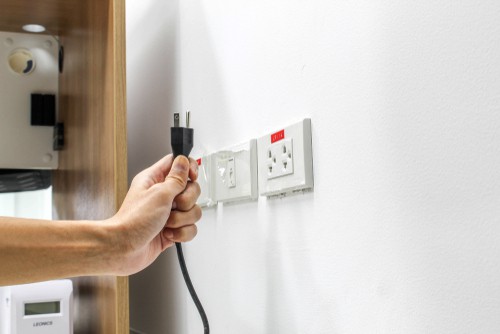
Finally, an often-overlooked aspect of reducing natural gas usage lies in the realm of personal behavior. Developing a conscious mindset towards energy consumption fosters a culture of sustainability. Simple daily practices—such as turning off appliances when not in use, closing doors to eliminate drafts, and utilizing natural ventilation rather than heating—can accumulate in significant energy savings. By educating family members and creating a collective commitment to conservation, a household can effectively reduce its carbon footprint.
In summation, the path toward reducing natural gas usage at home is fraught with both challenges and opportunities. By implementing energy-efficient practices and embracing a mindset of sustainability, individuals can create spaces that are not only comfortable but also conscious of their environmental impact. The beauty of this endeavor lies in its potential for collective change; each home that reduces its reliance on natural gas contributes to a more sustainable future for generations to come. While the journey may seem daunting, the rewards—both moral and practical—are indeed profound. Let us take these practical steps to forge a path leading to a more resilient planet.







Leave a Comment