
In an era where energy conservation has transcended from a mere consideration into an urgent necessity, innovative prototype ideas have emerged as pivotal solutions in the quest for sustainability. These concepts not only pave the way for reduced energy consumption but also inspire communities to adopt environmentally friendly practices. This article delves into several pioneering ideas that promise to revolutionize the landscape of energy efficiency.
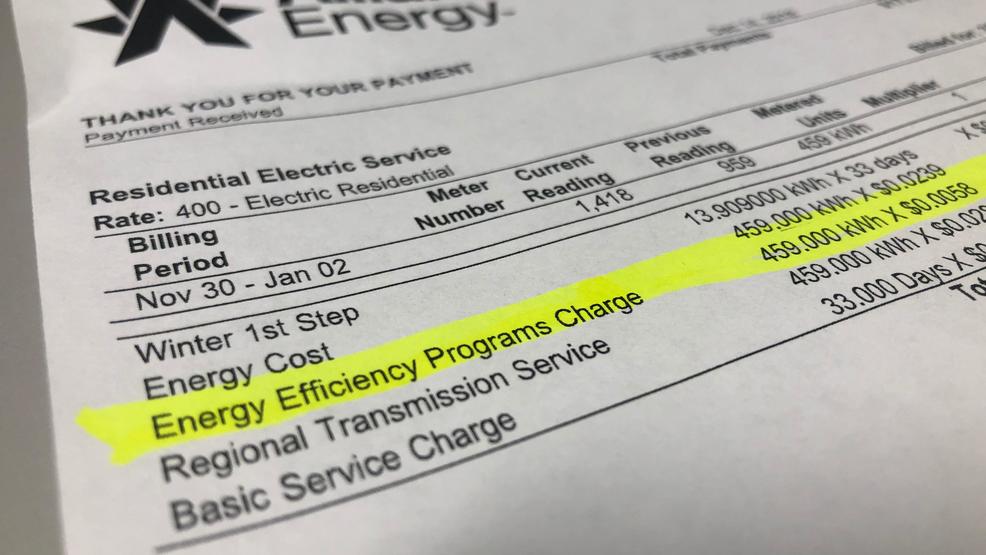
The evolution of energy-saving technologies beckons us to explore various realms. One remarkable prototype is the smart grid system. It ingeniously integrates digital communication technology into the power distribution network. By facilitating real-time data exchange, this system optimizes energy flow and consumption patterns. Households equipped with smart meters can monitor their usage, receive insights, and adjust behaviors accordingly. The result is a significant reduction in energy waste and a more balanced load on the electrical grid.
Moving into the realm of residential innovations, the concept of energy-harvesting flooring presents an exciting avenue. Imagine a floor that converts footsteps into electricity. This technology utilizes piezoelectric materials that generate energy through mechanical stress. Such flooring can be particularly beneficial in high-traffic areas, such as schools, malls, and transportation hubs. By harnessing human movement, energy-harvesting floors offer a sustainable complementary source of power for ambient lighting or charging small devices.
As we shift gears into the culinary domain, we encounter the revolutionary idea of solar-powered food dehydrators. Traditional food preservation methods consume energy, but solar dehydrators utilize natural sunlight to dry fruits, vegetables, and meats. This energy-efficient appliance leverages the sun’s rays throughout the day, thus drastically reducing reliance on conventional power sources. Such a solution is not only practical for home use but is also scalable for commercial food production, promoting both sustainability and healthful eating.
Yet another compelling concept is the implementation of algae-based biofuels. While the use of fossil fuels continues to exacerbate climate change, algae present a potent alternative. These tiny organisms thrive on carbon dioxide, sunlight, and nutrients found in water. Through innovative bioreactor designs, algae can be cultivated on a large scale to produce biodiesel and bioethanol. Not only do these fuels burn cleaner than fossil fuels, but they also provide a sustainable energy source without competing for arable land.
Venturing into the urban landscape, the advent of vertical gardens offers a unique opportunity to conserve energy. These structures, often referred to as living walls, provide natural insulation to buildings. By incorporating a variety of plants, they can reduce the amount of energy required for heating and cooling. Moreover, vertical gardens mitigate urban heat effects and enhance air quality, making cities more livable while fostering biodiversity. As urban areas burgeon, the necessity for green infrastructure becomes ever more critical.
No discussion of energy-saving innovations would be complete without acknowledging the rapid advancements in building materials. The development of phase-changing materials (PCMs) represents a breakthrough in thermal management. These materials can absorb, store, and release heat as needed, thereby regulating indoor temperatures. By incorporating PCMs into walls, ceilings, and floors, building designs can minimize energy consumption for heating and cooling. This technology not only enhances comfort but also significantly reduces utility bills.
Additionally, the zero-energy home concept is gaining traction as a prototype to aspire to. By integrating renewable energy sources such as solar panels, wind turbines, and energy-efficient appliances, these homes produce as much energy as they consume over the course of a year. They emphasize the importance of passive solar design, which maximizes natural light and heat. In adopting this model, communities can drastically cut carbon emissions and showcase the viability of sustainable living.
Finally, an often-overlooked aspect of energy conservation lies in the utilization of smart appliances. These intelligent devices, interconnected through the Internet of Things (IoT), allow users to manage energy use from afar. Consider smart refrigerators that monitor food inventory and suggest recipes based on what’s inside. Or washing machines that delay their operation until energy rates are lower. These appliances not only optimize consumption but educate users about their energy habits, prompting behavioral shifts towards sustainability.
In conclusion, the future of energy conservation hinges on our collective ability to embrace and implement these innovative prototype ideas. Whether through smart grids, energy-harvesting technologies, or sustainable building practices, the opportunities to save energy are immense. It requires a proactive approach, engaging communities, policymakers, and innovators alike. As we venture into this uncharted territory of sustainability, it is imperative that we remain informed, inspired, and motivated to make a difference. The prototypes discussed herein are not mere theoretical musings; they are the harbingers of change that can lead to a more sustainable and energy-efficient world.







Leave a Comment