
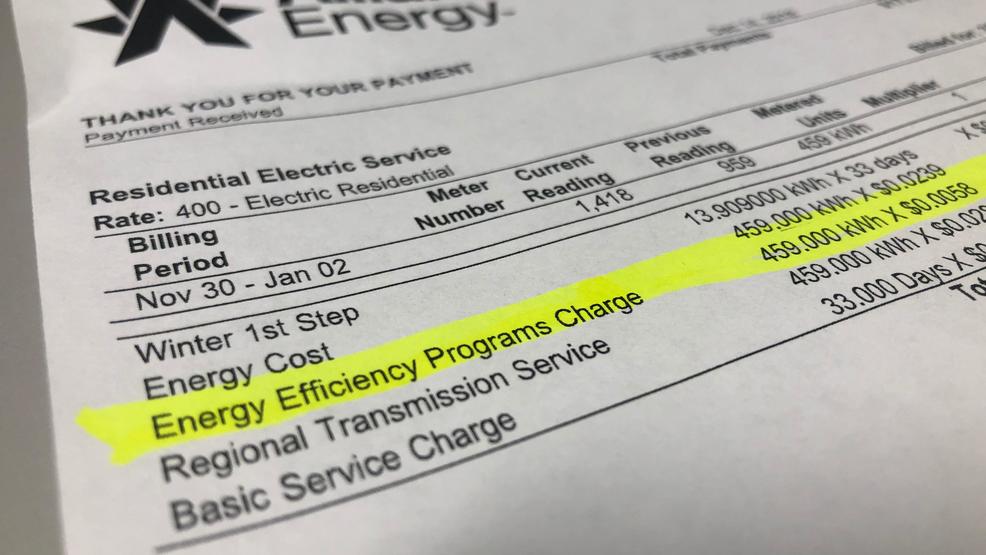
As the calendar year ticks towards colder months, many individuals find themselves staring at their energy bills with an anguish that is increasingly familiar. In a society where comfort is intricately interwoven with consumption, the incremental rise in energy costs can stealthily impact one’s budget. My resolve to cut down expenses on utilities was not born merely from financial necessity, but rather an exploration of the broader implications of energy consumption and its environmental consequences. This journey to reduce my energy bills was as much about reclaiming my economic power as it was about nurturing the planet.
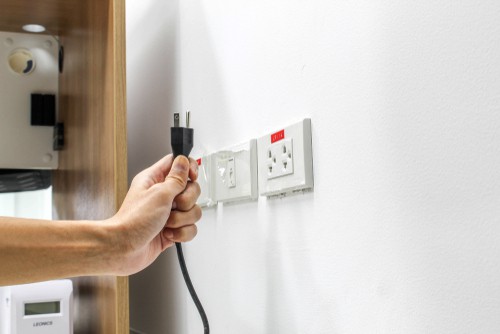
Initially, my approach was rudimentary—turning off lights when leaving a room and unplugging appliances that were not in use. These adroit attempts to curtail unnecessary consumption often left me wrestling with the alarming reality of how habitual energy wastage pervades our daily routines. However, as I delved deeper, it became abundantly clear that the path to substantial savings demanded a more systemic overhaul of my energy utilization patterns.
Embracing technology emerged as a pivotal turn in my quest. The advent of smart home devices has transformed the way individuals interact with their energy consumption. By installing smart thermostats, for instance, I was able to identify energy usage patterns throughout the day. These devices enable homeowners to optimize heating and cooling systems based on occupancy and preferences, translating into savings that are not just visible on the monthly bills, but resonant in the environmental footprint.
Moreover, the aesthetic allure of energy-efficient appliances lured me into re-evaluating my existing systems. Upgrading to Energy Star-rated products initially seemed a daunting investment. Yet, with diligence, I uncovered the long-term savings inherently tethered to such purchases. High-efficiency washing machines, refrigerators, and dishwashers not only diminish electricity and water consumption but tout innovations that could drastically reduce my energy footprint over time. The deeper rationale behind this purchasing decision was especially sobering, reflecting on how consumer choices often dictate broader environmental trends.
Insulation, often underestimated as a mere home improvement aspect, became a focal point of my energy reduction strategy. Diligently sealing windows and doors and supplementing my home with quality insulation material not only kept the frigid air out during winter months, but also harmonized the internal climate with a near-theoretical energy expenditure. This endeavor transcended the superficial AC and heating considerations, revealing deeper insights into how the built environment contributes to energy depletion.
The understanding that energy efficiency transcends individual households propelled me further. Engaging with local initiatives aimed at promoting sustainable energy practices fostered a communal spirit towards energy conservation in my neighborhood. Group purchasing programs and community workshops offered not just knowledge, but also a collective momentum that reinforced my commitments to energy reduction. This camaraderie illustrated how localized efforts could engender a broader impact on resource consumption. Indeed, the realization that I was part of a larger narrative in tackling energy excess felt profoundly empowering.
As I progressed through this endeavor, the concept of behavioral economics bore significant weight. It revealed to me the subtle psychological drivers underlying my consumption habits. Taking the time to understand my intrinsic motivations for energy usage was crucial. I began to scrutinize my impulses—was the air conditioning purely a necessity, or merely a reaction to discomfort? This behavioral introspection heightened my awareness; as I learned to consciously align my actions with my values, my energy consumption diminished, and so did my monthly bills.
Simultaneously, I began contemplating renewable energy options as a potential game changer. As more individuals and families turn towards solar panels, the narrative surrounding potential initial investments shifted towards a consideration of long-term benefits. Research indicated that initial expenditures could yield tremendous returns, both financially and environmentally. The enchantment with solar technology was not only its capacity to harness nature’s abundant energy but also its ability to place ownership of energy production back in the hands of homeowners. This fundamental shift in perspective, actually integrating renewable sources into my domicile, represented an epiphany—my energy independence could limit reliance on fossil fuels and deeply commodified energy markets.
Ultimately, the journey of reducing my energy bills stimulated more than just a proliferation of sustainable habits within the home; it cultivated a deeply-etched narrative of personal empowerment that enmeshed environmental consciousness with sound economic management. My perspective evolved from one of disillusionment about energy consumption to an ardent advocate for informed consumer choices, which yield both savings and a more holistic grasp of our environmental obligations.
As I reflect on these experiences, it becomes evident that the endeavor to cut down energy bills is not merely a financial exercise; it is a vital contribution towards cultivating a sustainable future. The intricacies of energy consumption must be met with a resolute determination to address the underlying behaviors and societal trends that perpetuate excess. It is only by ceasing to be passive consumers and becoming active stewards of our energy resources that long-term change can materialize. Through commitment, vigilance, and community synergy, the pursuit of reduced energy bills can serve as a catalyst for broader societal transformation.







Leave a Comment