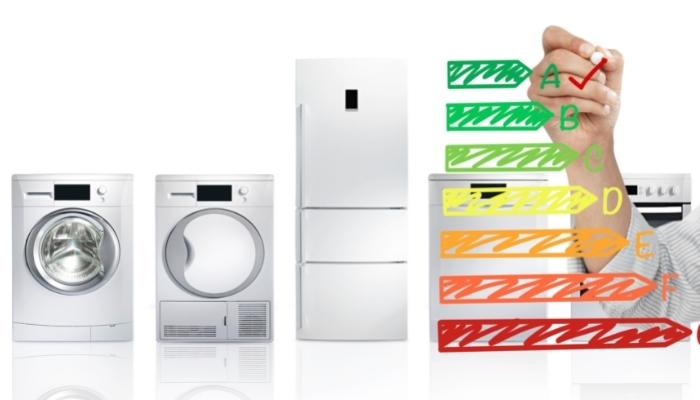
In an era increasingly defined by ecological consciousness and fiscal prudence, the rise of Energy Star appliances marks a pivotal shift in consumer behavior and environmental stewardship. On the surface, the alluring question of whether these energy-efficient appliances genuinely lead to monetary savings captures the interest of many households. However, the deeper ramifications of adopting Energy Star-certified products extend far beyond mere financial considerations, weaving a narrative rich with ecological responsibility and innovative engineering.
The Energy Star program, inaugurated by the U.S. Environmental Protection Agency in 1992, aimed to create a voluntary labeling system for products that exemplify energy efficiency. Today, it’s a universal badge of honor around the globe, signaling that a product not only conserves energy but also contributes to greenhouse gas reduction. At the heart of the Energy Star emblem lies an intricate design philosophy tailored to combat energy waste while simultaneously ensuring substantial savings for consumers.
One profound aspect of Energy Star appliances is their foundation in meticulous research and rigorous testing. Engineers and designers prioritize efficiency in every aspect of the appliance’s functionality—its motors, heating elements, and even its modulating features are optimized for minimal energy expenditure. For example, consider the water heater. Energy Star-certified models often incorporate advanced insulation and more efficient burners, substantially reducing energy consumption during operation. This precision reflects a critical understanding of the appliance’s intended use, merging innovation with user practicality.
Moreover, Energy Star appliances tend to employ cutting-edge technologies that maximize efficiency. Take refrigerators, for instance. Traditional models operate incessantly to maintain a steady temperature, often cycling on and off excessively. Energy Star refrigerators are designed with sensors that gauge the internal temperature with remarkable accuracy, allowing for reduced compressor cycling. Such thoughtful engineering not only curtails energy use but also translates into reduced utility bills, showcasing the fiscal incentive that accompanies sustainability.
An additional financial benefit lies in the longevity and durability of Energy Star products. Many of these appliances are built with higher-quality materials and superior engineering practices, leading to longer lifespans. As users invest in these products, they often experience fewer repairs and replacements over time, ultimately saving substantial sums. The old adage “you get what you pay for” rings particularly true here; while initial costs may be higher, the long-term financial advantages are undeniable. By fostering a culture of longevity, Energy Star appliances invite consumers to reconsider the relationship between cost and value, provoking a deeper reflection on consumer habits.
The synergistic relationship between energy efficiency and financial savings is further exemplified in the realm of smart technology. Many Energy Star appliances have begun to integrate smart features that allow users to monitor and control energy use remotely, from their smartphones or tablets. This advancement not only promotes conscientious consumption but also leads to optimized energy usage. With real-time insights into energy consumption patterns, users can adjust their behaviors, such as only running their dishwasher during off-peak hours. This attentiveness culminates in both reduced energy expenses and environmental impact, aligning financial prudence with a progressive ethos of sustainability.
Yet, the advantages of Energy Star appliances do not conclude with the end-user. These products collectively contribute to a larger narrative of reduced energy consumption on a national scale. The collective adoption of Energy Star products means diminished demand for fossil fuels and a corresponding decline in greenhouse gases released into the atmosphere. By choosing Energy Star, consumers unwittingly become part of a sweeping movement that advocates for cleaner air and a stable climate, fostering an intrinsic sense of purpose that transcends monetary considerations.
However, the journey toward understanding the benefits of Energy Star appliances is not devoid of challenges. Some consumers remain skeptical of their efficacy, often citing upfront costs as a deterrent. It is essential to dismantle this misconception through education and communication. The rising costs of energy, alongside government incentives for energy-efficient purchasing, enhance the argument for embracing Energy Star products. Awareness campaigns play a crucial role in elucidating the dual benefits of energy conservation and economic savings while engaging consumers in dialogue about their choices.
As society grapples with the exigencies of climate change and economic uncertainty, the decision to invest in Energy Star appliances represents an intersection of personal and planetary well-being. Each purchase serves as a declaration of values—a commitment to sustainable living and a recognition of the interconnectedness between ecological health and financial stability. This transformation in consumer mindset is vital; it encourages a broader understanding of sustainability that prevails beyond mere compliance and morphs into a proactive lifestyle choice.
The allure of Energy Star appliances encapsulates a profound fascination—a blend of technology, ecology, and the potential for transformative economic impact. Beyond saving money, these appliances forge pathways toward a more sustainable future, prompting society to reconsider how everyday choices can shape the world at large. In the tapestry of modern living, investing in Energy Star appliances emerges not merely as a financial decision but as a catalyst for change, illuminated by the promise of a healthier planet.






Leave a Comment