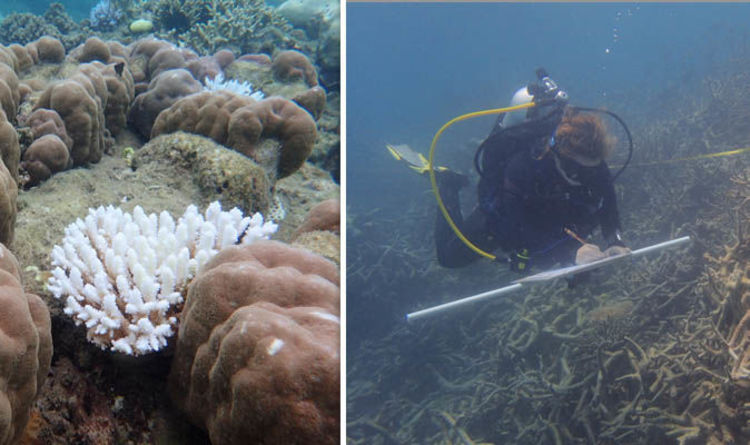
The Great Barrier Reef, an iridescent tapestry of life woven through fathomless azure waters, stands as a monumental testament to the biodiversity of our planet. Covering over 344,000 square kilometers, this extraordinary ecosystem is not merely a collection of corals and marine life; it is a vibrant microcosm, a living culture that has nurtured countless species while being a source of wonder for humanity. However, recent events have painted a sobering picture of vulnerability. A harrowing heatwave gripped the oceans, and the reef, in its breathtaking grandeur, found itself at the mercy of rising temperatures.
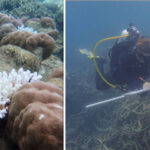
As if the sea itself had a fever, water temperatures soared to unprecedented levels, catalyzing a massive coral bleaching event. Corals, akin to delicate artists of the ocean, rely on symbiotic relationships with tiny algae called zooxanthellae. These microorganisms provide corals with the vivid colors we admire and are crucial for their survival. Yet, when temperatures rise, corals expel these algae, leading to a stark loss of color and, indeed, a loss of life. This phenomenon is not merely a visual tragedy; it is an ecological crisis, a dire warning echoed through the annals of marine science.
The record coral loss observed in 2023 serves as a clarion call for environmental stewardship. The scale of devastation is staggering, with estimates suggesting that over thirty percent of the reef’s corals succumbed to the relentless heat. Each lost coral represents not only a genetic lineage snuffed out but also a potential desecration of future marine biodiversity. Like beads falling from a treasured necklace, these losses disrupt the intricate web of life that thrives within the reef’s embrace.
The cascading effects of this bleaching event are profound. Many species that depend on healthy coral habitats for shelter and sustenance face an uncertain future. Fish populations, vital to local economies and food security, are dwindling. As an apex provider of marine resources, the Great Barrier Reef supports a plethora of human activities—from fishing to tourism. The repercussions of such an ecological upheaval extend far beyond environmental circles, penetrating socio-economic realms and local cultures that have long revered the reef.
Moreover, the socio-political implications are considerable. Coastal communities, especially those reliant on ecotourism, hang precariously in the balance. The allure of the underwater spectacle, a shimmering jewel of the natural world, draws millions annually; however, with diminished coral health, these communities may face diminishing returns as the vibrancy of the reef fades. The spectacle of vibrant corals has been replaced by a stark wilderness of skeletal frameworks, evoking a sense of grief akin to losing a cherished heirloom.
Responses to this crisis are imperative. Global climate change is the orchestrator of this deteriorating symbiosis. It is critical to address the underlying causes that lead to such phenomena, including unsustainable fishing practices, pollution, and carbon emissions. To stand idly by is to be complicit in the demise of not just the reef but also the vast connected network of life that hangs delicately in the balance of our shared ecosystem.
In the face of adversity, however, there exists a glimmer of hope. Initiatives aimed at coral gardening and restoration have emerged, showcasing nature’s resilience. Coral farming, a burgeoning field, involves cultivating corals in controlled conditions before reintroducing them to their natural habitat. Such efforts serve as both a salve for the damaged reef and a poignant reminder that if given the opportunity, nature can heal.
Education and advocacy initiatives are also taking root. Awareness campaigns, funded by both governmental and non-governmental organizations, seek to enrich the public’s understanding of marine ecosystems. Community engagement empowers individuals to partake in local conservation efforts. The ripple effect of these initiatives fosters a sense of responsibility and ignites a passion for preserving marine sanctuaries.
Furthermore, the integration of innovative technology as a tool for conservation is reshaping the landscape of marine protection. Advanced monitoring systems, equipped with sensors and cameras, provide invaluable data on coral health. Such insights guide scientists and policymakers in crafting informed responses to environmental changes. It is a powerful intersection of technology and nature—one that offers much-needed illumination in the shadows of ecological decline.
Ultimately, the Great Barrier Reef is more than a mere physical entity; it is a vital thread in the complex tapestry of our planet. Its story unfolds like a gripping narrative, rife with both beauty and peril. The losses suffered in recent times evoke a profound sense of melancholy, yet they also ignite a fervor for change. The challenge ahead is daunting, fragile as the ecosystems we hope to protect. As stewards of this Earth, the onus lies on us to rise together, to prevent future tragedies and to restore the vibrant pulse of life within the waters of the Great Barrier Reef.
In conclusion, the record coral loss after the heatwave is not only a testament to nature’s fragility but also a rallying point for collective action. As echoes of loss reverberate through the ocean’s depths, we are called to unite for the preservation of this irreplaceable gem. The fate of the Great Barrier Reef hangs in precarious balance, a poignant reminder of our responsibility to future generations. Together, we can safeguard this extraordinary legacy, ensuring that the reef’s luminescence continues to shine bright for all who gaze upon it.





Leave a Comment