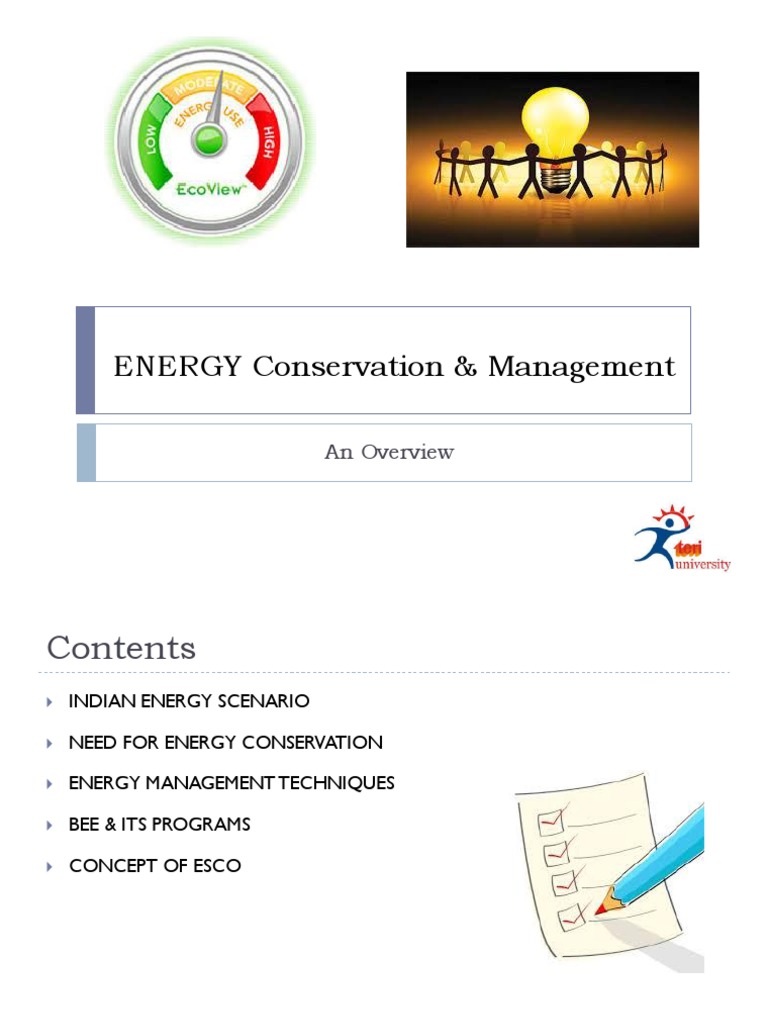
Understanding energy management and conservation is crucial in today’s world, where the dual challenges of energy scarcity and environmental degradation loom large. The essence of energy management lies in optimizing energy production, distribution, and consumption to strike a harmonious balance between meeting human needs and preserving ecological integrity. Energy conservation, on the other hand, involves the intentional reduction of energy usage, employing strategies that minimize waste while fostering a sustainable future. Below, we delve into the realms of energy management and conservation, unraveling the complexities while highlighting actionable insights.
1. Defining Energy Management
Energy management encompasses a systematic approach aimed at ensuring the most efficient use of energy resources. This includes the planning, monitoring, and control of energy consumption in various sectors, be it residential, commercial, or industrial. A comprehensive energy management strategy involves conducting audits to understand consumption patterns, setting energy targets, and implementing technologies that substantiate efficiency. This allows organizations and individuals alike to not only reduce costs but also diminish their carbon footprint.
2. The Significance of Energy Conservation
Energy conservation is imperative as it directly correlates with environmental sustainability. By conserving energy, we reduce the depletion of finite resources and mitigate greenhouse gas emissions that are exacerbating global warming. The act of conserving energy isn’t merely a personal responsibility but a collective endeavor, fostering a sense of community and collective action toward a common goal. Additionally, energy conservation can lead to economic benefits; less energy consumed translates into lower bills for households and businesses alike.
3. Types of Energy Management Practices
Numerous practices can be adopted to manage energy more effectively. One such practice is energy auditing, where specialists assess energy use and identify inefficiencies. This data-driven approach provides insights into where energy is squandered and how it can be redirected. Another practice is the integration of smart technologies, such as energy monitoring systems and programmable thermostats, which allow for real-time tracking and regulation of energy use. These technologies contribute to a granular level of control and foster an environment conducive to energy efficiency.
4. Residential Energy Conservation Techniques
Homeowners can implement several straightforward strategies to conserve energy. Simple actions, such as switching to LED lighting, can significantly reduce electricity consumption. Insulation improvements and energy-efficient windows can also lead to substantial savings by minimizing heat loss during colder months. Additionally, the adoption of energy-star-rated appliances further amplifies conservation efforts, offering the same utility while consuming less energy.
Moreover, cultivating habits such as unplugging devices when not in use or employing power strips can help minimize phantom energy use – a silent yet pervasive contributor to unnecessary energy waste.
5. Industrial Energy Management Strategies
In contrast to residential scenarios, energy management in industrial settings often requires more intensive strategies due to the scale of operations. Implementing energy management systems (EnMS) aligned with international standards, such as ISO 50001, can vastly improve an organization’s energy performance. These systems facilitate a structured approach for energy management, allowing enterprises to monitor, analyze, and enhance energy efficiency. The introduction of renewable energy sources, such as solar panels or wind turbines, into the energy mix can also further bolster industrial conservation efforts.
Moreover, employee engagement plays a vital role in achieving energy management goals. Fostering a culture of energy awareness among staff can lead to innovative ideas that enhance operational efficiency and reduce consumption.
6. Government Policies and Incentives
To promote energy conservation and management, government policies and incentives can play a significant role. Various regions offer tax incentives, rebates, or grants to encourage both individuals and businesses to adopt energy-efficient technologies. These financial incentives not only alleviate the initial costs associated with transitioning to more efficient solutions but also stimulate the economy by driving demand for green technologies.
Furthermore, legislative mandates establishing energy efficiency standards for appliances and vehicles contribute to broader societal shifts toward conservation. Public awareness campaigns further elucidate the importance of energy conservation, promoting behavioral changes that support sustainable development.
7. Challenges to Energy Management and Conservation
Despite the importance of energy management and conservation, several hurdles remain. The initial costs associated with implementing energy-efficient technologies can deter both individuals and organizations from making necessary investments. Additionally, a lack of awareness or understanding of energy concepts often leads to apathy toward conservation efforts. To combat these challenges, education plays a pivotal role—informing and engaging the public about the benefits of energy conservation can incite motivation and lead to collective action.
8. The Future of Energy Management and Conservation
The future of energy management and conservation is poised for transformation. Innovations in technology, such as artificial intelligence and the Internet of Things (IoT), are expected to revolutionize how we quantify and manage energy consumption. As society progressively shifts towards renewable energy sources, the focus will increasingly be on integrating these technologies into our existing frameworks. A circular economy, where energy efficiency and resource management coexist, will drive sustainable growth and resilience in the face of environmental challenges.
In conclusion, energy management and conservation are not just buzzwords but essential components of a responsible and sustainable future. By understanding and employing effective strategies, we can nurture our planet while meeting our energy needs. The path forward will rely on collective commitment, innovative thinking, and an unwavering focus on sustainability. The shift towards energy efficiency must become a central tenet of both our daily lives and global policies if we are to ensure a thriving future for generations to come.








Leave a Comment