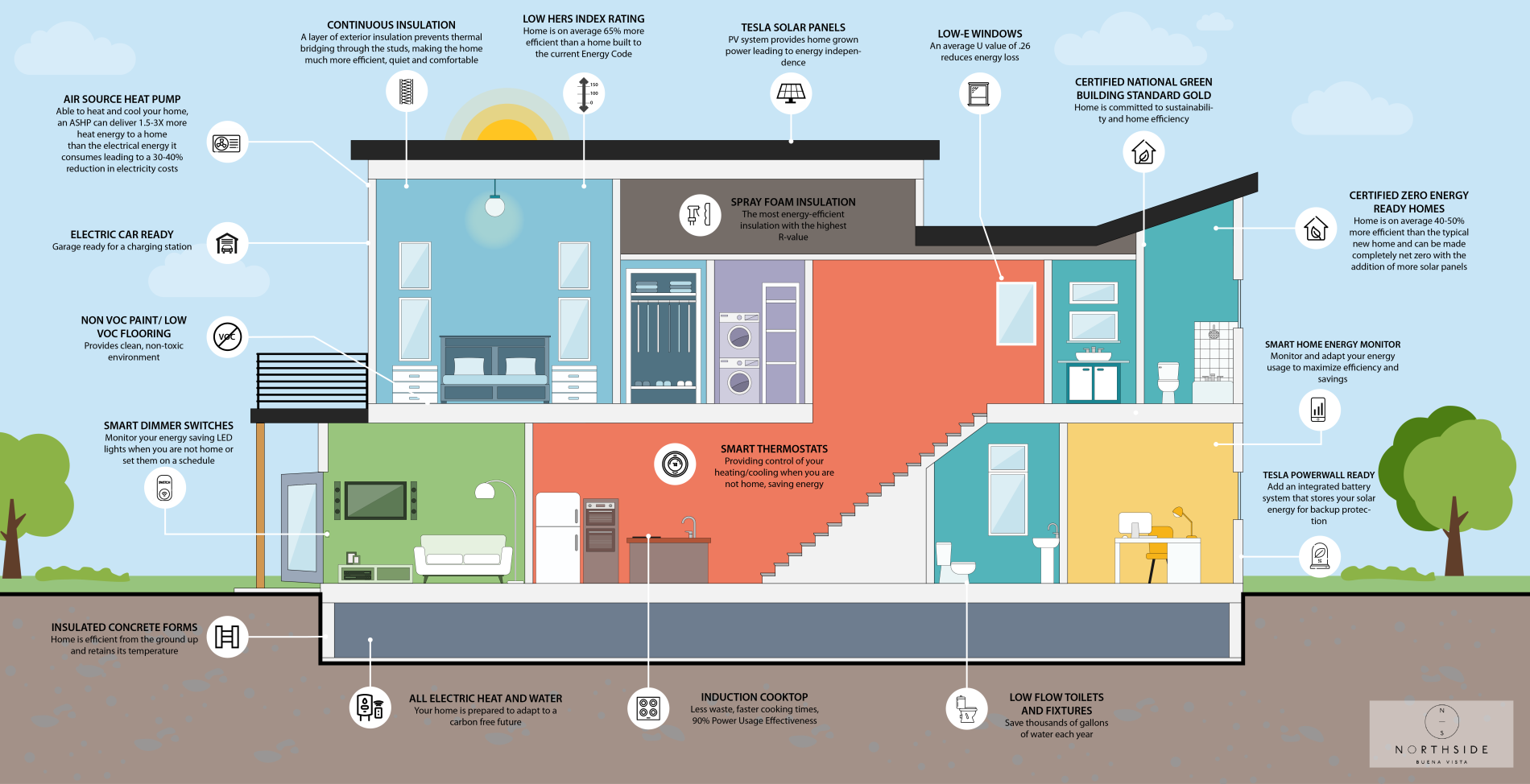
In an age where climate change looms large and environmental sustainability is no longer just a buzzword but a pressing necessity, the concepts of energy efficiency and energy saving emerge as fundamental pillars in the dialogue surrounding our ecological footprint. As we embark on this exploration, it’s vital to differentiate between these two often-intertwined terms. What if I posed the question: does saving energy necessarily mean being energy efficient? Let’s unravel this conundrum.
To commence our exploration, we must first define energy efficiency. At its core, energy efficiency refers to the ability to accomplish the same tasks using less energy. It is about optimizing performance. For instance, consider the transition from incandescent light bulbs to compact fluorescent bulbs (CFLs) or light-emitting diodes (LEDs). These modern lighting technologies produce the same amount of luminosity while consuming significantly less power. The brilliance of energy efficiency lies in its capacity to reduce consumption without compromising functionality.
On the other hand, energy saving embodies a broader concept. It encapsulates practices aimed at reducing overall energy consumption. This could manifest in a multitude of ways, from turning off lights when leaving a room to utilizing energy-efficient appliances. While energy saving strives for a smarter approach to usage, it does not necessarily entail utilizing advanced technology to achieve the same outcome. It focuses on reducing the quantity of energy consumed, regardless of the efficiency of the devices in use.
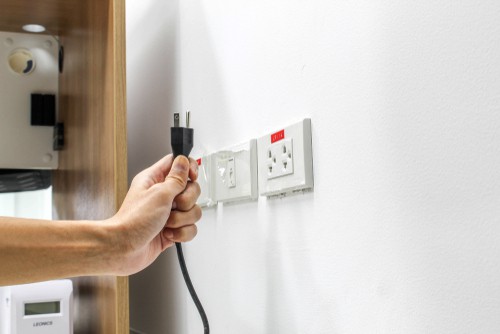
Now, one must ponder: can we achieve our energy-saving goals without adopting energy-efficient practices? The answer can be as complex as it is simple. Imagine an older refrigerator that guzzles energy, consuming significantly more than a modern model. If one were to merely unplug this energy-hungry appliance in favor of a power-saving mode on a new device, the initial action may feel like saving energy. However, this leap does not equate to efficiency. Thus, the tangible benefits of energy-efficient design become paramount.
Delving deeper into the intrinsic value of each concept, energy efficiency not only contributes to cost savings—they also bear a promising societal advantage. Enhanced efficiency can reduce the demand on power plants, resulting in less fossil fuel consumption, diminished greenhouse gas emissions, and a decrease in the overall environmental impact. Hence, we find ourselves on the cusp of two intertwined realms: one is guided by conscious choice; the other by innovative design.
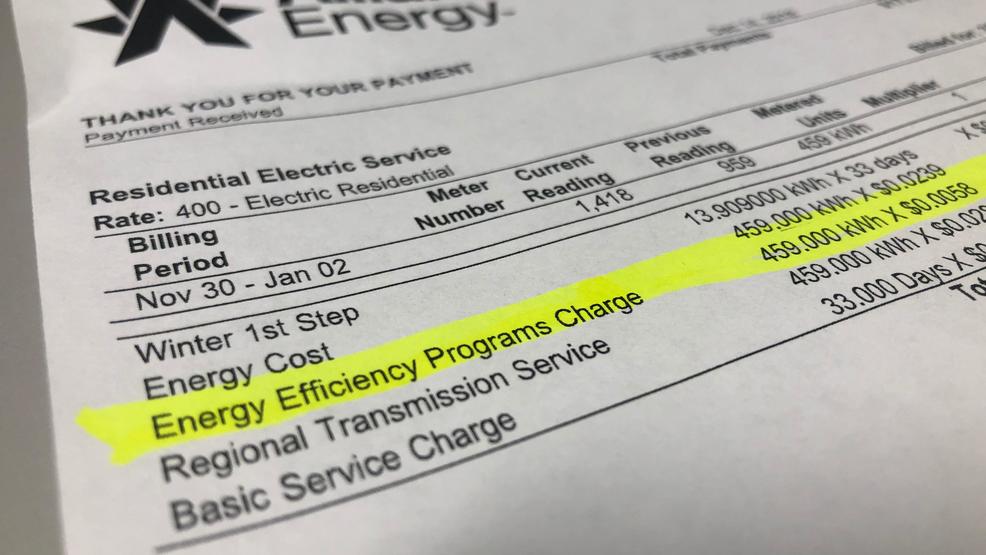
Nevertheless, let us not ignore the economic implications. Energy efficiency can be viewed as an investment—one that may require higher initial costs for purchasing energy-efficient appliances or retrofitting an old building but promises significant dividends over time. In contrast, energy saving measures tend to involve minimal initial expenditure. However, the question arises: are we merely placing a band-aid over a more systemic issue? Could a focus on energy saving alone be an impediment to long-term progress? This notion deserves contemplation.
As we move forward, it is essential to acknowledge that these two concepts do not exist in isolation. They are, in fact, complements. Energy efficiency fosters a foundation for energy-saving habits. For example, a household that invests in a high-efficiency furnace can take further steps—like maintaining the system regularly or properly insulating their home—to maximize overall energy savings. This symbiotic relationship underscores the importance of adopting a comprehensive approach to energy management that embraces both efficiency and conservation.
Exploring further, we must address the role of policy and regulation. Governments worldwide are beginning to recognize the significance of promoting energy efficiency as a priority. Incentives for homeowners to upgrade to energy-efficient appliances and building codes reflecting contemporary energy standards serve as a catalyst for progress. As such, energy-efficient initiatives not only benefit individual consumers but contribute to larger societal movements aimed at reducing dependence on non-renewable resources.
Yet, there is also the potential challenge of “rebound effect.” This phenomenon refers to the tendency of individuals to consume more energy when they are able to reduce their energy costs through efficiency. Imagine purchasing a hybrid vehicle that uses less fuel; the savings might encourage more driving, ultimately neutralizing the environmental benefits. This paradox invites further discourse on consumer behavior and habits—broadening our understanding of how efficiency and saving intertwine.
So, how do we incite meaningful change? Education is undeniably a potent tool. Fostering awareness regarding energy efficiency and energy-saving practices can empower individuals, families, and communities to make informed decisions. Engendering a culture that values energy literacy could be the linchpin in addressing our pressing energy challenges. Imagine a society where energy efficiency is not just a personal goal but a communal endeavor.
Ultimately, the discourse surrounding energy efficiency and energy saving is not merely an academic exercise—it reflects a critical choice we face as stewards of our planet. We are at a crossroads, and the path we choose will reverberate across generations. By embracing efficiency while cultivating a culture of mindful consumption, we can lay the groundwork for a sustainable future.
In conclusion, the distinction between energy efficiency and energy saving is both subtle and profound. Each presents its unique benefits and challenges, yet together, they form a formidable force in our collective quest for a greener, more sustainable world. As we navigate this duality, let us remain vigilant and proactive, lest we opt for the path of least resistance. The future of our planet may very well depend on it.







Leave a Comment