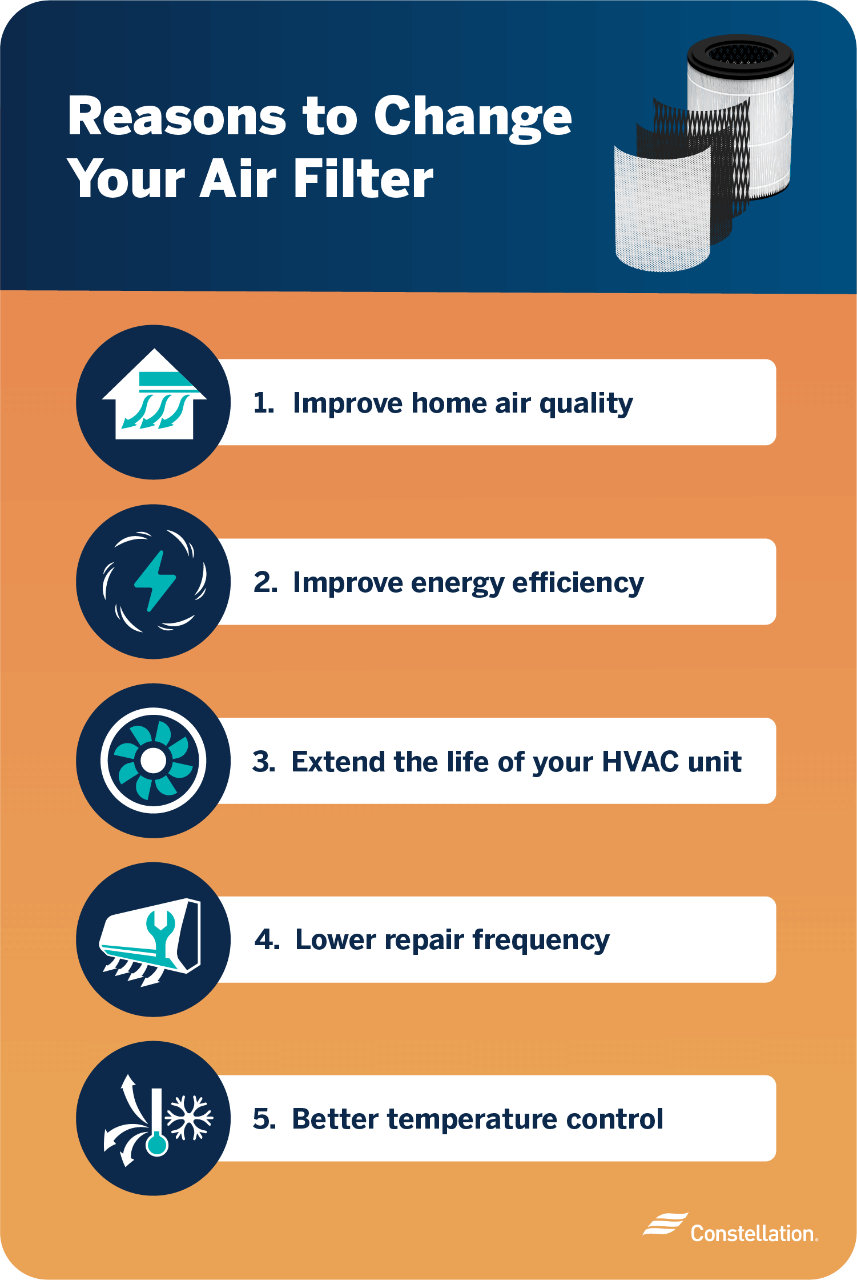
In the realm of home energy consumption, few components play as critical a role as the Heating, Ventilation, and Air Conditioning (HVAC) system. Often overlooked, one of the simplest yet most effective measures a homeowner can undertake is the routine replacement of their HVAC filter. This seemingly mundane task prompts a vital question: does changing your HVAC filter genuinely yield energy efficiency benefits? To explore this inquiry, one needs to delve into the intricate relationship between filter maintenance and overall system performance.
First and foremost, the HVAC filter serves as the guardian of your indoor air quality. Its primary function is to trap dust, pollen, pet dander, and other airborne pollutants, which, if left unchecked, could circulate throughout your home. A clean filter allows for optimal airflow, enabling the system to run smoothly without extra strain. However, understanding the nuances of HVAC filters is indispensable in assessing their impact on energy efficiency.
HVAC filters are available in various types, each designed with different materials and efficiency ratings. Fiberglass filters, for instance, are commonly used due to their low initial cost and effectiveness in capturing larger particles. However, they often fall short in retaining smaller particulates. In contrast, high-efficiency particulate air (HEPA) filters are lauded for their superior filtration capabilities, capturing a higher percentage of fine particles but at the expense of airflow resistance. This distinction is crucial, as a higher MERV (Minimum Efficiency Reporting Value) rating can lead to increased energy consumption if the system is not designed to accommodate it.
As the filter becomes clogged with debris, the airflow diminishes. A restricted airflow necessitates greater exertion from the HVAC system, leading to an increase in energy usage. In fact, studies have shown that failing to replace dirty filters regularly can increase energy consumption by 5 to 15 percent. This figure serves as a stark reminder that neglecting such a straightforward task has tangible repercussions on energy bills and the overall efficacy of your system.
Time-in-grade is another pertinent consideration when discussing filter replacement. Seasonal shifts, humidity, and the frequency of HVAC use all dictate how often a filter should be changed. In a home with pets, a more frequent changing schedule is often warranted, as pet hair and dander accumulate rapidly. Conversely, in less demanding conditions, a filter might remain effective for longer periods. As a general rule, checking the filter monthly and replacing it every three months is a cumulative policy that aligns with energy-saving principles.
Moreover, the fiscal implications of energy efficiency cannot be overstated. On a broader scale, regularly changing the HVAC filter not only curtails energy bills but also prolongs the lifespan of the system. A well-maintained HVAC unit operates more efficiently, reducing the likelihood of costly repairs or premature replacements. The investment in filters should be seen not just as a mundane task but as a proactive approach towards financial prudence.
Environmental sustainability also deserves consideration in this discourse. The ramifications of energy consumption extend beyond personal finances. Higher energy usage translates into increased demand on power plants, often resulting in elevated greenhouse gas emissions. By improving energy efficiency through diligent HVAC filter maintenance, homeowners contribute positively to environmental conservation. This aspect adds a compelling layer to the rationale for changing filters regularly, transforming a mundane chore into an act of ecological stewardship.
People often wonder about the advanced technology that has emerged in the air filtration industry. Smart HVAC systems now offer features like filter change indicators, which take the guesswork out of maintenance. These innovations, coupled with the growing trend of programmable thermostats, provide homeowners with greater control over their energy consumption, integrating convenience with efficiency.
While the direct relationship between filter maintenance and energy efficiency is well-documented, the ancillary benefits merit mention as well. A properly functioning HVAC system enhances comfort by maintaining consistent temperatures and improving indoor air quality. This aspect is particularly significant for individuals with respiratory issues or allergies, where clean air can dramatically impact quality of life. In this light, the act of changing a filter transcends its basic purpose; it aligns with broader health and wellness objectives.
An often-overlooked factor involves the correlation between filter maintenance and public health. During certain seasons, particularly winter and summer, cranked-up HVAC systems can recirculate allergens and pollutants more vigorously if filters are neglected. Moreover, stagnant air laden with contaminants can contribute to the spread of illness within households. By committing to regular changes, you’re not only promoting energy efficiency but also contributing to healthier living environments.
In summation, the simple act of changing your HVAC filter yields significant dividends in energy efficiency, economic savings, environmental sustainability, and public health benefits. It is a small but potent way of investing in your home, your finances, and the planet. Amidst the hustle and bustle of modern life, it is easy to overlook the seemingly trivial aspects of home maintenance. However, when aligned with broader goals of energy conservation, this practice emerges not only as important but imperative.
So, the next time you contemplate the necessity of replacing your HVAC filter, remember the multifaceted advantages it encapsulates. From sustaining your home’s climate to reflecting responsible stewardship of resources, maintaining filter hygiene is a keystone habit for both your dwelling and the environment at large. Embrace this vital task—your energy bills, health, and planet will thank you.






Leave a Comment