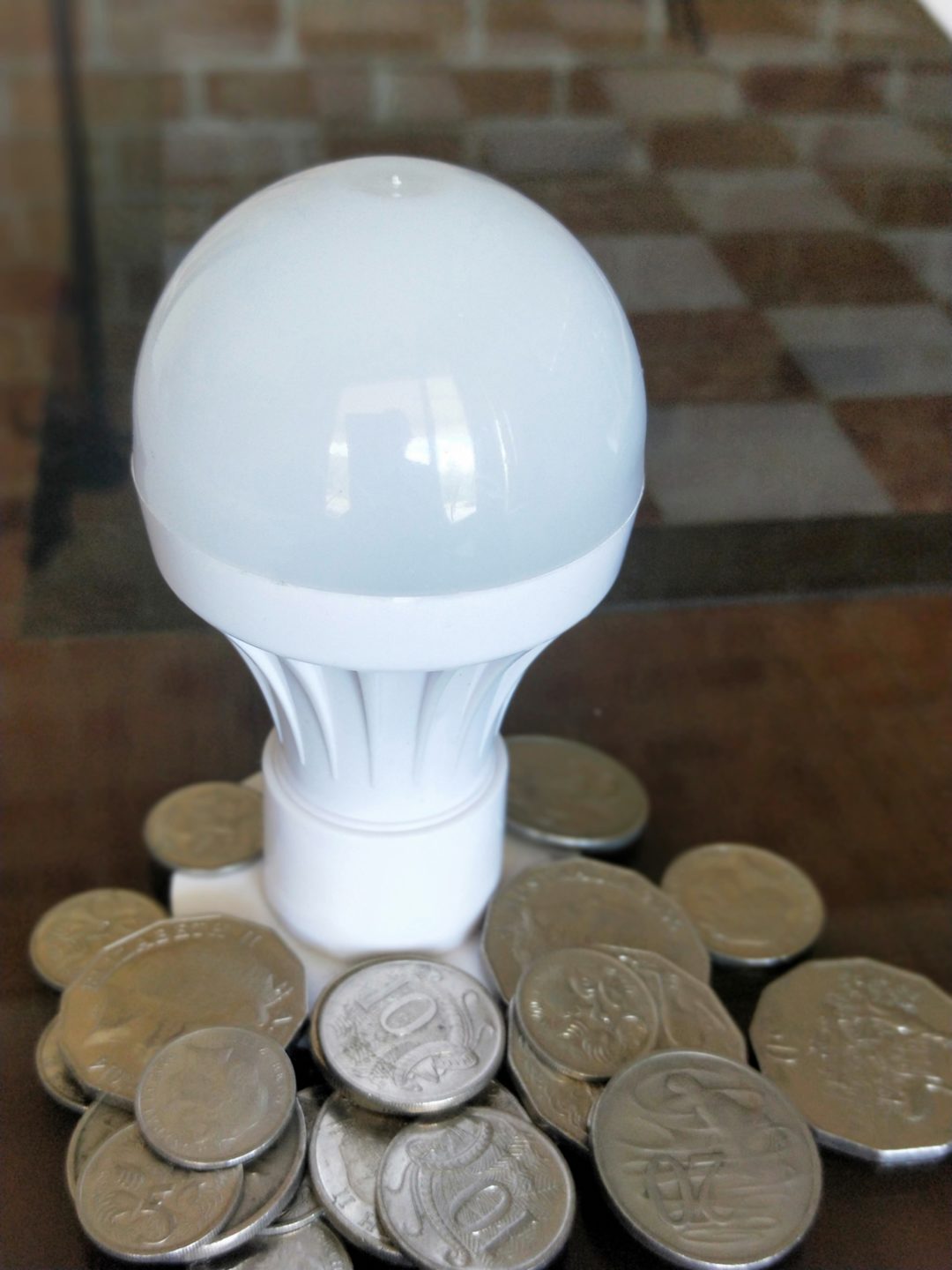
In a world increasingly grappling with energy conservation and rising electricity costs, the proliferation of power savers has drawn considerable attention. As households seek ways to mitigate their energy expenses, these devices beckon with promises of enhanced energy efficiency. Yet, amid the allure of saving money, many consumers find themselves asking the pivotal question: do power savers genuinely lower your electricity costs?
To unpack this inquiry, it is essential to first understand what power savers are. Typically, these devices are marketed as tools that improve the efficiency of electrical systems by optimizing power consumption. This can involve regulating voltage, enhancing current quality, or even reducing electrical noise. However, the methods and efficacy of these devices can vary vastly, leading to a cacophony of opinions about their true value.
One of the most common claims surrounding power savers is their ability to reduce power surges and stabilize voltage. Proponents assert that by smoothing out the electric flow, these devices prevent appliances from drawing excessive power during peak usage. This stabilization can ostensibly lead to lower energy bills. However, the veracity of these claims is often met with skepticism. Scientific scrutiny into similar devices has yielded mixed results, with numerous studies concluding that many power savers do not deliver on their promises, particularly for residential applications.
It is worth acknowledging that some power savers may indeed yield benefits in specific contexts. Industrial settings, where motors and heavy machinery operate, can sometimes experience a measurable reduction in energy costs when power factor correction devices are employed. These situations stem from the peculiarities of electrical systems that include inductive loads, where conventional power savers might contribute to enhanced performance. Nevertheless, translating these benefits to typical residential use, where such heavy loads are less prevalent, remains contentious.
One significant aspect of the conversation revolves around consumer perception and behavioral patterns. The psychological impact of utilizing a power saver can be profound. The very act of investing in a device ostensibly designed for saving energy might evoke a sense of control over one’s consumption habits. This, in turn, may prompt individuals to adopt more energy-conscious behaviors, such as turning off lights when leaving a room, unplugging devices, or using appliances during off-peak hours. Paradoxically, while the device itself may not contribute significantly to cost reduction, the mindfulness it encourages could lead to actual savings.
Furthermore, disillusionment can arise from unrealistic expectations—an all-too-common phenomenon. Consumers may be drawn to the marketing rhetoric that surrounds these devices, envisioning remarkable reductions in their energy bills without a concomitant reduction in their overall consumption. This disconnect between expectation and reality often leads to frustration, as users find themselves disappointed with the minimal impact on their monthly expenses.
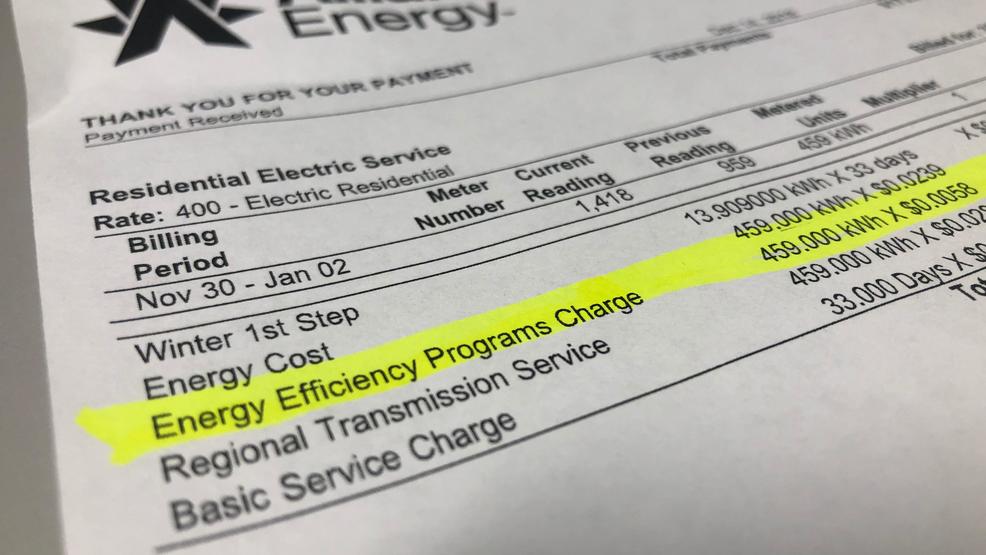
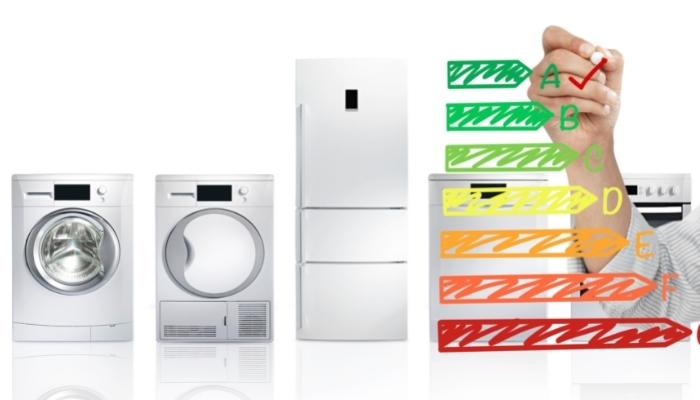
To discern the actual efficacy of power savers, it is imperative to delve into the mechanics of electricity consumption itself. The average residential electricity bill is influenced by myriad factors, including appliance efficiency, usage patterns, and local energy costs. In many instances, the most effective strategy for achieving substantial savings lies not in the adoption of additional devices, but rather in a comprehensive approach to energy management. Simple measures such as upgrading to energy-efficient appliances, enhancing home insulation, and utilizing programmable thermostats often yield higher returns in terms of energy savings.
Moreover, the role of government regulations and utility incentives cannot be overlooked. Many regions offer programs that incentivize energy efficiency improvements, from rebates on appliance upgrades to support for solar installations. Engaging with these initiatives can provide a more tangible avenue for reducing costs than reliance on unproven power savers.
In the end, the debate surrounding power savers is emblematic of a broader societal struggle with energy consumption and environmental stewardship. While these devices inject an element of optimism into the conversation about energy savings, the reality is complex. For every advocate speaking to their potential benefits, there exists a counter-narrative that urges caution and critical evaluation. The fascination with power savers is intrinsically tied to our collective desire for efficient, affordable energy solutions, and yet, fundamental questions linger about their true efficacy.
Engaging in this dialogue necessitates a discerning eye. Consumers must be informed about the intricacies of energy systems, mindful of marketing hyperbole, and committed to exploring broader energy conservation strategies. Ultimately, while power savers may deliver nominal benefits in certain scenarios, genuine and significant reductions in electricity costs are far more likely achievable through a holistic approach to energy efficiency. As the narrative of energy conservation evolves, so too must our understanding of the tools we choose to implement in pursuit of a sustainable future.






Leave a Comment