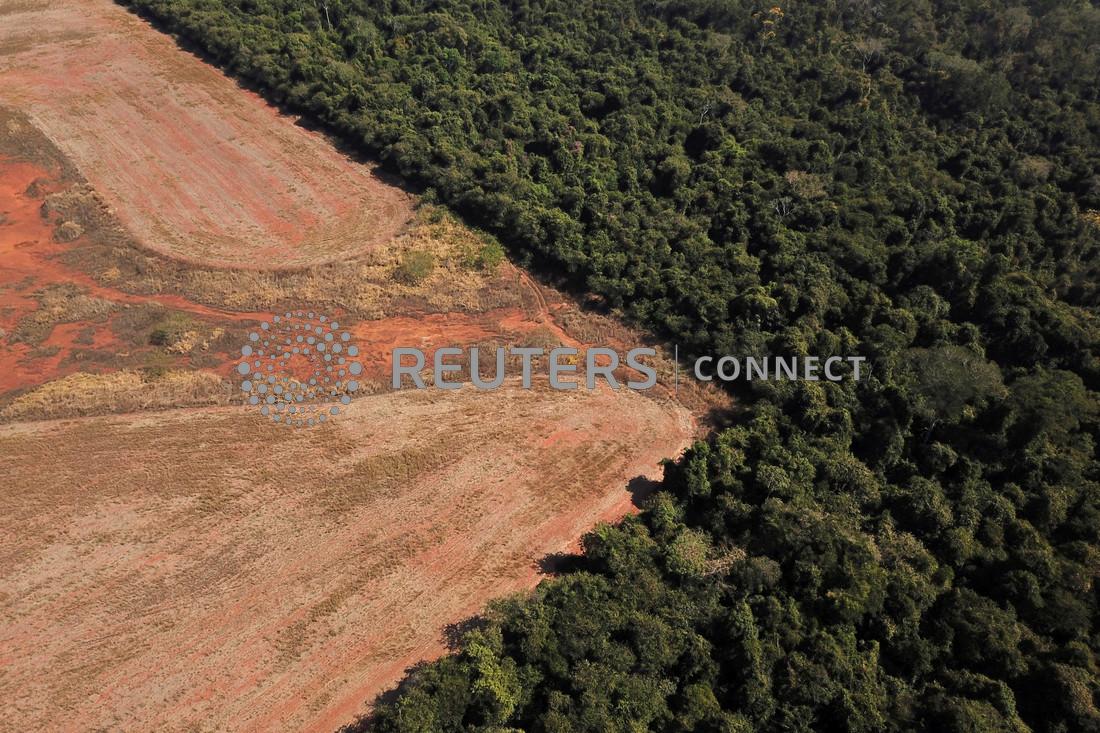
The vast expanse of Brazil’s Cerrado savanna, often dubbed the “lungs of South America,” has recently borne witness to an alarming phenomenon: deforestation has surged to a six-year high. This lush biome, characterized by its rich biodiversity and distinctive ecosystems, is succumbing to the relentless advance of human enterprise. As we delve into the multilayered implications of this environmental crisis, we find ourselves navigating a complex tapestry woven from socio-economic threads, ecological fragility, and inherent human responsibility.
Deforestation, in its essence, is akin to an artist erasing strokes from a masterpiece, chipping away at a landscape that has evolved over millennia. The Cerrado is home to approximately 5,000 plant species, of which 44% are endemic, meaning they exist nowhere else on the planet. This vast, undulating canvas of grasslands, scrubby woodlands, and wetlands is not merely a geographical location; it is a rich tapestry of biodiversity that supports countless life forms. Much like the canvas of a painting, each species plays a crucial role, contributing depth and vibrancy to the ecosystem.
As agricultural demands escalate, particularly for soybean cultivation and cattle ranching, vast sections of this versatile biome are being sacrificed. Imagine a once lively orchestra, each instrument in harmony, slowly becoming discordant as sections of the ensemble are removed, leaving a jarring silence in their wake. The Cerrado is experiencing a similar crescendo of loss. From 2017 to 2018 alone, the rate of deforestation surged by more than 13%, with approximately 8,000 square kilometers of forest lost in the process. This alarming statistic is indicative not only of a loss of plant species but also of the myriad animals that call this environment home, struggling to adapt to an increasingly fragmented habitat.
Moreover, the implications of this deforestation extend far beyond the immediate horizon. The Cerrado acts as a vital regulator of the regional climate, storing carbon in its extensive root systems and providing rainfall through its evergreen pastures. The eradication of its vast habitats not only exacerbates climate change but also jeopardizes the water supply that millions of Brazilians rely on. The metaphorical dam of nature, which has long supplied the lifeblood of rural and urban communities alike, is being compromised—a grim reality underscored by rising temperatures and shifting weather patterns.
Nevertheless, the intricacies of this crisis do not conclude with the environmental ramifications. The socio-economic landscape is also threatened by these destructive practices. As deforestation accelerates, indigenous communities and traditional farmers find themselves battling not only the loss of land but also a cultural extinction. Their intimate connection with the land, which has sustained them for generations, is eroded in favor of short-term profit. To them, the Cerrado is a sacred entity, a living library of their ancestral history, and its degradation is akin to losing chapters of a beloved book, its pages torn and scattered.
The Brazilian government’s responses to this burgeoning crisis have been multifaceted yet ambivalent, driven by the dichotomy of economic growth and environmental preservation. Legislation intended to protect these vital landscapes has often been undermined by a cavalcade of political interests favoring agribusiness. Much like an intricate chess game, where one misguided move can shatter the hopes of many, the balance between economic progress and ecological stewardship teeters precariously on a fine line of policy and resolve.
Restorative efforts must be deliberated with urgency. The paradigm of conservation is heralded by many as the beacon of hope in these turbulent waters. Through reforestation initiatives, there exists a burgeoning potential to revitalize the Ceará’s ecosystems, nurturing native species and implementing sustainable agricultural practices. It is a Herculean task, akin to stitching together a quilt from the very remnants of a world torn asunder, yet with concerted effort and genuine community involvement, it can yield successful outcomes.
Awareness and education play crucial roles in this ecological battlefront. Raising consciousness globally about the Cerrado’s beauty and the pernicious consequences of its destruction engenders support for sustainable practices. It is vital for people worldwide to foster a profound appreciation for the interconnectedness of our planet’s ecosystems. The Cerrado is not just a distant locale—it is emblematic of a broader global struggle against the tide of environmental degradation.
In conclusion, the escalating deforestation in Brazil’s Cerrado savanna represents a complex, multifaceted crisis with significant ecological, social, and economic ramifications. It stands as an urgent call to action—an opportunity for humanity to reassess its relationship with nature. Like a once-vibrant tapestry now frayed at the edges, the urgency of preserving the Cerrado resonates within us all, urging us to mend the rifts that discordant practices have wrought. The time to act is now—to embrace sustainable practices, to incentivize restoration, and to ensure that the lush, biodiverse beauty of Brazil’s savanna continues to thrive for generations to come.






Leave a Comment