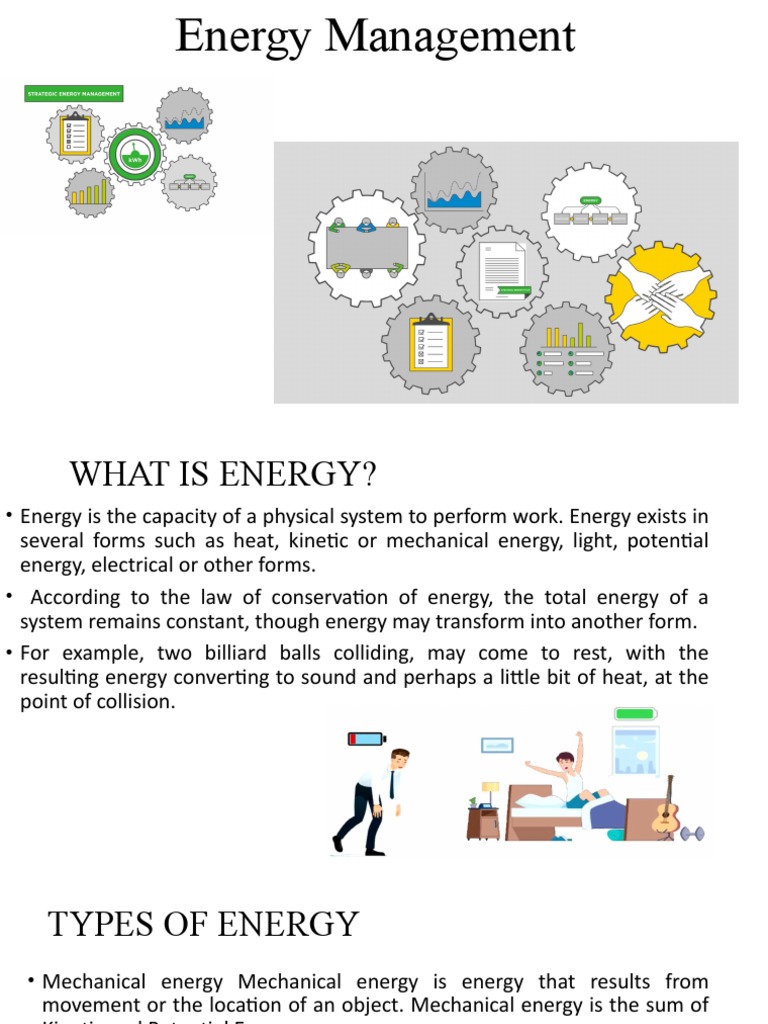
What if we could harness the power of the sun, the wind, and even our daily activities in ingenious ways that not only reduce costs but also mitigate environmental degradation? Effective energy management is not just a buzzword; it’s a necessity in our modern world defined by complexities and challenges of climate change. At the heart of this endeavor lie certain core principles that guide individuals, businesses, and communities alike. Let’s delve into these principles, each serving as a pillar of sustainable energy consumption, efficiency practices, and consciousness.
1. Understanding Your Energy Consumption
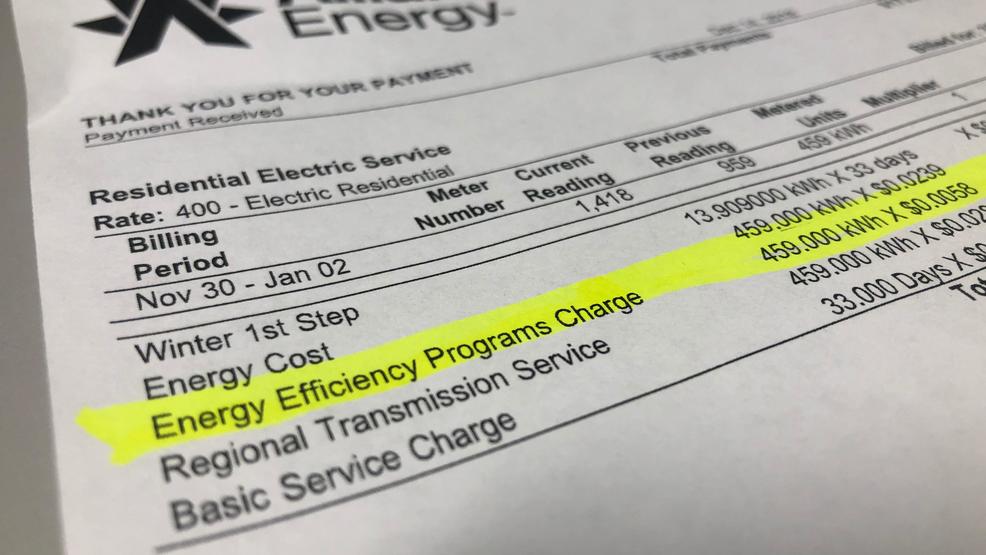
The first step in effective energy management is a comprehensive understanding of energy consumption patterns. This involves meticulously tracking usage to identify peaks and troughs. By equipping oneself with data, one can develop a cogent narrative about how, when, and where energy is being utilized. This process not only lays the groundwork for energy audits but also empowers individuals and organizations to make informed decisions. A proper assessment can illuminate unforeseen energy drains—be it an outdated HVAC system or inefficient lighting—thus forming the basis for improvement.
2. Efficiency as a Priority
Once we grasp our consumption patterns, the next principle emphasizes the adoption of efficiency measures. It goes beyond merely replacing incandescent bulbs with LEDs or investing in Energy Star appliances. True efficiency entails a holistic assessment of systems and behaviors. This principle extends to retrofitting buildings, implementing smart technologies, and advocating for energy-efficient practices among occupants and employees. Every watt saved represents not only a financial benefit but also a reduced carbon footprint—a duality not to be overlooked.
3. Integrating Renewable Energy Sources
While efficiency is imperative, during the quest for better energy management, we must not forget the undeniable potential of renewable energy sources. The incorporation of solar panels, wind turbines, or geothermal systems can significantly diminish reliance on fossil fuels. However, contemplating the implementation of renewables raises the playful question: Are we prepared to embrace the challenges associated with initial costs, space requirements, and maintenance? The transition requires commitment and strategic planning but offers long-term sovereignty over energy needs.
4. Behavior Modification
Energy isn’t consumed solely through machinery and electronics; human behavior plays an equally crucial role. It demands an integrated approach that includes education and advocacy. By fostering a culture of energy awareness—think eco-challenges in offices, energy conservation weeks, or community workshops—one can transform energy habits on an individual and collective level. The metamorphosis in mindset facilitates the adoption of energy-saving routines, compelling everyone to contribute to a substantial reduction in consumption.
5. Embracing Technological Innovations
The digital age furnishes us with technological advancements that are nothing short of revolutionary in energy management. Smart meters, IoT devices, and AI-driven analytics offer unparalleled opportunities for real-time monitoring and management of energy usage. This principle is about leveraging technology not just as a facilitator but as a strategic partner in energy optimization. By actively engaging with these innovations, one can take control, reduce waste, and predict future consumption with impressive accuracy.
6. Establishing Strong Policies and Targets
In the corporate landscape and beyond, instituting robust energy policies and clearly defined targets is paramount. This principle revolves around integrating energy management into company culture. Setting measurable, attainable goals—such as reducing energy consumption by a specific percentage within a defined timeframe—creates accountability and momentum. It further codifies a commitment to sustainability that resonates with stakeholders and aligns with regulatory standards. However, these policies must be dynamic, adapting to shifts in technology, energy markets, and environmental insights.
7. Continuous Monitoring and Improvement
Even the most meticulously crafted energy management strategies require a commitment to continuous monitoring and improvement. This principle emphasizes the cyclical nature of effective energy management: measure, analyze, implement, and reassess. Energy management is not a one-time event but an ongoing process that responds to changes in technology, occupancy, and usage patterns. By fostering a culture of perpetual improvement, organizations can remain agile in their energy practices, ensuring long-term sustainability.
8. Engaging the Community
Lastly, energy management cannot flourish in isolation. The engagement of the community is a pivotal factor towards realizing effective energy management. This necessitates collaboration with local governments, NGOs, and even competitors. Establishing energy efficiency programs that encourage community participation creates a synchronized approach to sustainability. It transforms energy management from an individualistic endeavor to a collective movement, amplifying impact and inspiring systemic change.
Effective energy management transcends individual practices; it encompasses principles that are interconnected and vital in shaping our energy future. How do we navigate the myriad challenges presented by energy consumption in an evolving world? By understanding consumption, prioritizing efficiency, integrating renewables, modifying behaviors, embracing technology, establishing policies, monitoring continually, and engaging the community, we embark on a profound journey toward sustainability. Each principle serves as a guide, leading us closer to a world where energy is abundant yet mindful, ensuring a legacy for generations to come.








Leave a Comment