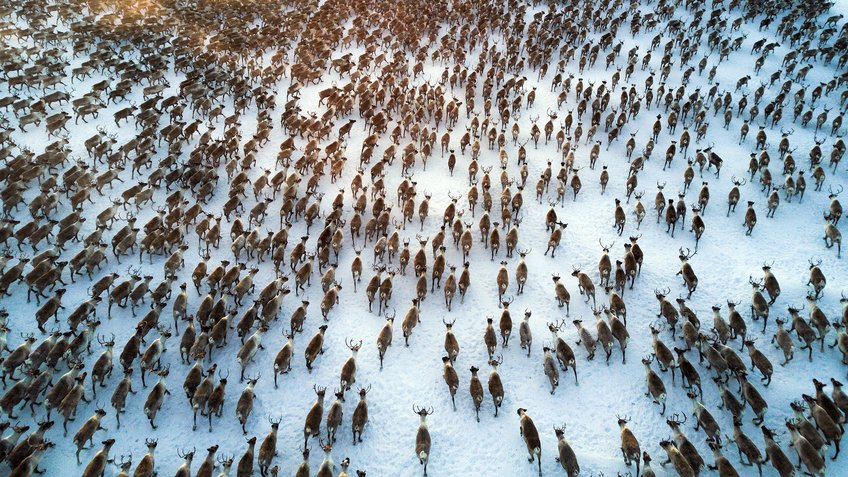
Climate change has emerged as a veritable specter haunting the Arctic, exerting profound influence on the complex web of life that resides in this frigid expanse. As temperatures rise and ice retreats, a consequential shift in animal migration patterns is becoming increasingly apparent. This article explores the multifaceted ramifications of climate change on Arctic animal migrations, outlining the plethora of species affected, the ecological implications, and the broader narrative of environmental change.
The Arctic, characterized by its unique ecosystems and extreme conditions, has long been home to an array of wildlife that has adapted over millennia to its harsh seasonal rhythms. However, as the planet warms, these intricately balanced systems are thrown into disarray. Species such as caribou, migratory birds, polar bears, and seals, traditionally bound to stable migratory routes and seasonal behaviors, are now facing unprecedented challenges.
In the case of the caribou, their annual migrations, which span thousands of miles, have been documented as intricately tied to the availability of food sources and calving grounds. As warmer temperatures lead to altered vegetation patterns in the tundra, the caribou find their patterns upended. Studies reveal that calving grounds are shifting northward or becoming less predictable, directly affecting calf survival rates and the overall population dynamics of these gentle ungulates.
Similarly, migratory birds that depend on the Arctic for breeding are encountering a shift in their seasonal cues. These birds have relied on long-standing migratory habits guided by the annual thawing of ice and the blooming of vegetation. However, accelerated climate change has led to earlier arrivals of spring, causing mismatches in food availability. Specifically, as insects emerge sooner due to warmer conditions, the synchrony of bird migrations with their feeding needs is disrupted, presenting a critical threat to their reproductive success.
Moreover, the polar bear, often touted as a sentinel species for climate change, finds itself grappling with diminishing sea ice that serves as a platform for hunting seals, their primary prey. The alterations in sea ice formation and retreat patterns are forcing polar bears to swim greater distances and or search for food on land, which could lead to increased human-wildlife conflicts. The hunting habits and migratory patterns of these apex predators are crucial indicators of the health of the Arctic ecosystem.
The plight of seals showcases a similar narrative. Species such as the ringed seal rely heavily on sea ice for reproduction and pup-rearing. As their habitat shrinks, so does their breeding habitat, leading to steep declines in population numbers. The ripple effect on the food web is profound; as seal numbers dwindle, the polar bears and other predators dependent on them face dire shortages, resulting in altered foraging strategies that may not yield sustainable outcomes.
As these mammoth shifts unfold, the broader ecological framework is altered, ushering in unanticipated consequences for the Arctic’s biodiversity. Species interactions—those vital relationships that dictate prey and predator dynamics—are in flux, breeding a cascade of ecological outcomes. For instance, the shifts in migratory patterns and timings can lead to the overabundance of certain species while others dwindle. A myopic view of migration might suggest merely the movement of animals, yet it embodies the very essence of survival, reproduction, and adaptation.
This transitional phase in the Arctic ecosystems offers a poignant reminder of our interconnectedness with these delicate habitats. The Arctic acts not merely as a distant corner of the planet but as a pivotal component in the global climatic system. It is essential to recognize the cascading impacts that arise from changes in animal migrations—not only for the fauna themselves but for the indigenous communities, whose livelihoods are entwined with these species. For these communities, traditional hunting practices and cultural heritage are in jeopardy as the annual rhythms of animal migrations become unpredictable. The loss of both biodiversity and cultural continuity cannot be overstated.
Furthermore, the changing Arctic landscape elicits a sense of urgency. Awareness and advocacy are crucial for fostering resilience in these ecosystems. Conservation efforts must be stepped up, integrating scientific research with traditional ecological knowledge to pioneer adaptive strategies. Mitigating climate change through grassroots activism and policy reform is essential to protect these vulnerable species and their migratory pathways. Only through concerted effort can we hope to navigate the tumultuous waters of this environmental crisis.
As the multifarious impacts of climate change ripple through the Arctic, it becomes increasingly clear that the future of this region—and broadly, the planet—depends on a holistic understanding of these changes. Recognizing the urgency of the situation, the question remains: how will humanity respond to these environmental upheavals? The shifting of Arctic animal migrations is not merely a symptom of climate change; it serves as a harbinger for the deeper implications of our collective actions. The onus is on us to advocate for the survival of these majestic species and the delicate balance of their ecosystems. Our engagement today will determine the legacy we leave for future generations.


Leave a Comment