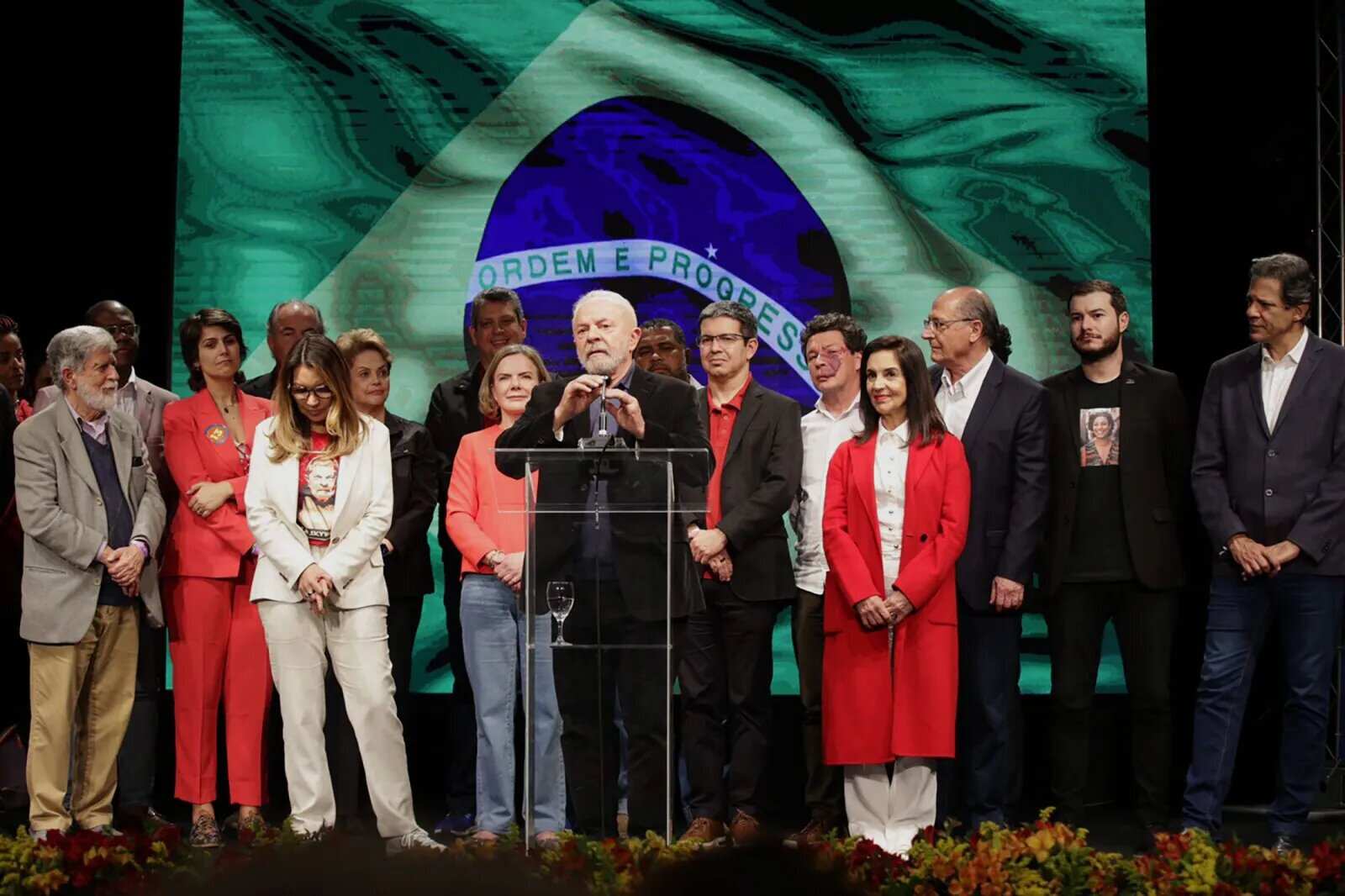
As Brazil navigates the tumultuous waters of its presidential elections, the stakes have never been higher—especially for the environment. The Amazon Rainforest, often referred to as the “lungs of the Earth,” is at a pivotal crossroads. The outcomes of these elections will significantly influence policies surrounding deforestation, climate change, and the nation’s environmental ethics. With the candidacies of former President Luiz Inácio Lula da Silva and incumbent Jair Bolsonaro, the election represents not just a competition for political superiority but a clash of ideologies that could either propel Brazil towards ecological stewardship or plunge it further into environmental degradation.
The first aspect that warrants attention is the Amazon rainforest, which covers over 60% of Brazil’s territory. It plays an indispensable role in global climate regulation, acting as a carbon sink. However, under Bolsonaro’s administration, policies that facilitated illegal logging, mining, and agriculture have led to unprecedented deforestation rates. Recent statistics indicate that the Amazon lost more than 13,000 square kilometers of forest cover between 2020 and 2021, highlighting the urgent need for a change in governance. Lula promises a comprehensive conservation strategy—one that emphasizes sustainable development, indigenous rights, and the restoration of damaged ecosystems. His approach advocates for reforestation initiatives that could revitalize degraded lands while offering economic opportunities to local communities.
The second dimension of this electoral contest is the dichotomy of economic growth versus environmental preservation. Bolsonaro’s administration has adopted a pro-business stance that prioritizes short-term economic gains over sustainable practices. This has resulted in the proliferation of agribusiness ventures that encroach upon critical ecosystems, often at the expense of biodiversity. Conversely, Lula has positioned himself as a champion for a green economy. His proposals include investments in renewable energy, sustainable agriculture, and eco-tourism, demonstrating a paradigm shift towards an economy that harmonizes environmental integrity with economic prosperity. This vision resonates not only with environmentalists but also with future generations who will inherit the consequences of today’s decisions.
Furthermore, Brazil’s role in international climate agreements cannot be understated. Under Lula, Brazil played a pivotal role in global climate negotiations, advocating for significant reductions in greenhouse gas emissions and committing to achieving net-zero by 2050. In stark contrast, Bolsonaro’s disregard for international environmental commitments has jeopardized Brazil’s standing on the global stage. This election presents an opportunity for a renewal of Brazil’s commitment to international accords, reflecting a progressive stance that emphasizes global cooperation in addressing climate change. An administration that reinstates a proactive approach to international environmental diplomacy could result in increased foreign investment, particularly in sustainable technologies.
The implications of this election extend beyond borders. The fate of indigenous peoples in Brazil is intrinsically linked to the broader environmental narrative. They are the guardians of vast tracts of the Amazon, possessing invaluable knowledge about sustainable land management. Bolsonaro’s policies have marginalized indigenous rights, exacerbating tensions and enabling land invasions. Lula’s platform, however, calls for the recognition and protection of indigenous territories, promoting policies that center indigenous voices. This pivot could serve as a formidable barrier against deforestation, allowing indigenous communities to manage their lands based on centuries-old traditions that prioritize biodiversity and ecosystem health.
As the election nears, public sentiment has increasingly gravitated towards environmental issues. Brazilian youth are particularly vocal, leveraging social media platforms to articulate their demands for a sustainable future. The emergence of grassroots organizations advocating for environmental justice signifies a burgeoning awareness among the populace regarding the interconnectedness of environmental degradation, social inequality, and health crises exacerbated by climate change. Political candidates are acutely aware of this shifting consciousness, making environmental policies a focal point in their campaigns. As voters become more educated about climate challenges, the outcome of the elections could very well hinge on candidates’ commitments to environmental action.
In addition, the broader implications for global ecosystems cannot be overlooked. The Amazon influences weather patterns across South America and beyond. Hence, Brazil’s environmental policies have ramifications that extend far beyond its borders, affecting agricultural outputs, freshwater availability, and even meteorological events in regions thousands of miles away. With the world grappling with increasingly erratic climate phenomena, preserving Brazil’s ecological integrity is not merely a national issue—it is a global imperative. The forthcoming elections provide a critical juncture at which Brazil can either chart a destructive path or pivot towards a sustainable model that acknowledges its responsibility on the global stage.
Ultimately, the Brazilian presidential elections serve as a barometer for the world’s approach to environmental stewardship. Diminishing ecosystems and escalating climate crises demand urgent action, and the choices made within Brazil’s political sphere will echo across nations and generations. As ballots are cast, they will reflect not just a choice between candidates, but a collective decision on the future we envision for our planet. Will Brazil embrace its role as a steward of the Amazon, promoting conservation and sustainability, or will it succumb to the allure of exploitation and degradation? The answer lies not only in the outcomes of these elections but in the commitment of citizens to advocate for a future grounded in ecological balance and respect for the Earth.





Leave a Comment