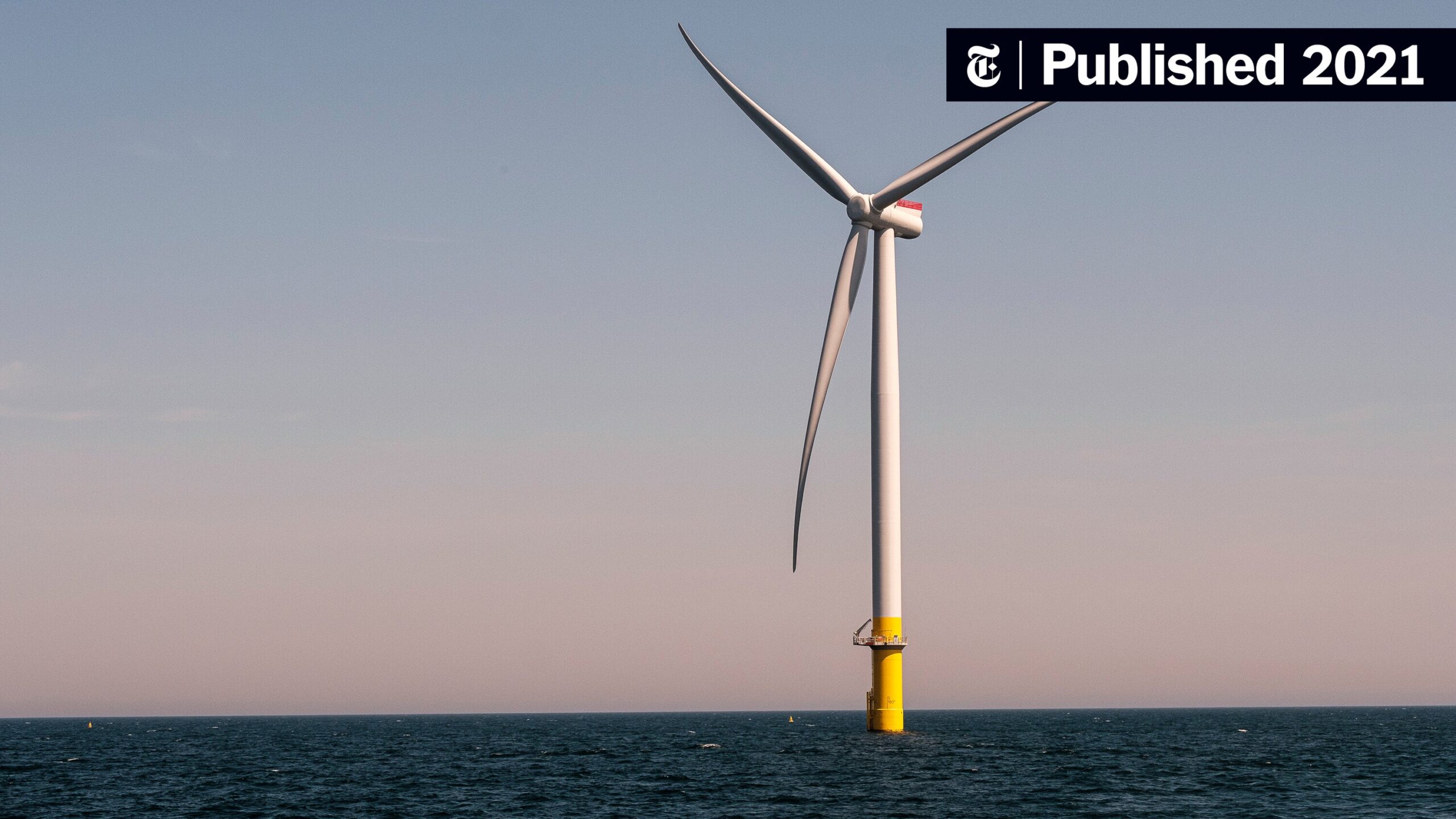
In a world increasingly grappling with the existential threat of climate change, the Biden administration has taken a bold stance by championing offshore wind energy as a pivotal component of its clean energy strategy. But as the sails of this transformation set forth into the turbulent waters of policy and environmental stewardship, one might wonder: can offshore wind truly position itself as a sustainable lifeline for our beleaguered planet?
The United States, with its vast coastal expanses, possesses immense potential for harnessing wind energy. Offshore wind farms extend the reach of this renewable resource, tapping into potent wind currents that lie beyond the shoreline. By leveraging technological advancements and favorable geographic conditions, the Biden administration aims to bolster the nation’s clean energy portfolio, targeting ambitious goals to install 30 gigawatts of offshore wind capacity by 2030. This initiative not only signifies a leap toward reducing greenhouse gas emissions but also holds promise for job creation and economic revitalization in coastal communities.
Amidst the fervor surrounding offshore wind energy, it is imperative to unveil the multifaceted benefits that accompany this green revolution. Firstly, the shift to offshore wind power mitigates reliance on fossil fuels, thereby curtailing the carbon footprint associated with traditional energy generation. Unlike terrestrial wind farms, offshore installations can capitalize on stronger and more predictable winds, resulting in higher energy output. The long-term vision is clear: by phasing out carbon-intensive energy sources, the Biden administration aspires to forge a resilient economy that coexists harmoniously with the environment.
Moreover, the economic ramifications of this initiative are staggering. The deployment of offshore wind farms translates to thousands of job opportunities in sectors ranging from manufacturing and construction to maintenance and operations. Local workforce training programs will ensure that communities are equipped with the necessary skills to thrive in this emerging sector. It’s not merely a shift in energy generation; it’s a renaissance for coastal economies that have long been dependent on dwindling industries.
However, transitioning from conceptualization to realization is fraught with challenges that must be navigated with due diligence. Among these hurdles is the intricate balance required to harmonize environmental protections with development. Critics argue that offshore wind farms could disrupt marine ecosystems and threaten wildlife habitats, such as migratory bird routes and sensitive marine species. Consequently, a thorough environmental assessment process is paramount to identify and mitigate potential impacts. While wind energy is undoubtedly cleaner than fossil fuels, grappling with the ecological implications of its deployment remains a pressing challenge.
Furthermore, the logistics of developing offshore wind infrastructure introduce their own set of complexities. Key considerations include securing sufficient financing, navigating regulatory frameworks, and coordinating with various stakeholders. The intricate web of interactions among federal and state agencies, private industry, and local communities necessitates seamless collaboration to ensure that projects move forward without excessive bureaucratic delays. Engaging in transparent dialogue with stakeholders will foster trust and alignment, ultimately enriching the development process.
In addition, as the administration presses forward with its ambitious offshore wind objectives, it must contend with another pivotal question: how do we ensure energy equity and accessibility? Ensuring that the benefits of clean energy transition are equitably distributed among all segments of society remains imperative. Historical injustices in energy production have often left marginalized communities bearing the brunt of environmental degradation and social inequity. Thus, it is essential for policymakers to establish frameworks that not only prioritize clean energy but also address systemic inequalities that persist across different demographics.
Interestingly, whilst envisioning the future of offshore wind, one cannot help but ponder the interplay of innovation and tradition. As the U.S. leans into cutting-edge technologies, such as floating wind turbines and advanced storage solutions, the development must remain cognizant of the diverse energy landscape shaped by decades of conventional practices. Integration with existing power grids, alongside investment in complementary renewable technologies, can bolster system resilience and reliability. Innovation ought not to exist in isolation but should be part of a symmetric and adaptive energy strategy.
Ultimately, the journey toward realizing the extensive potential of offshore wind energy is paved with both promise and complexity. The Biden administration’s fervorous pursuit not only seeks to diversify the energy portfolio but also aims to cultivate a robust economy that prioritizes sustainability. However, the successful implementation of offshore wind energy hinges upon the resolution of myriad challenges, ranging from environmental stewardship to equitable energy distribution.
As we cast our collective gaze toward the horizon of a cleaner future, one thing rings clear: the commitment to offshore wind energy is not merely a policy initiative; it is a clarion call for transformative action that could redefine the contours of our energy landscape. Will we rise to meet these challenges, steering our course toward a world that harmonizes progress with preservation? Only time will tell, but the wind is at our backs, urging us to harness its potential and accelerate into a sustainable future.








Leave a Comment