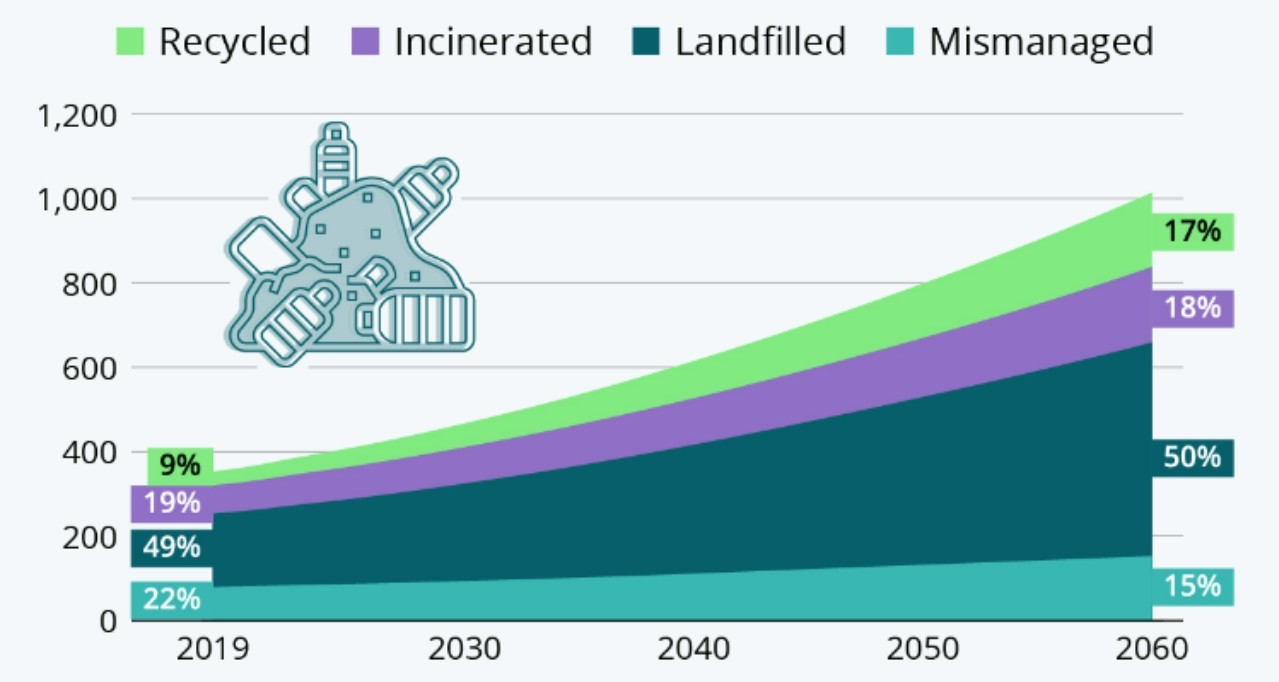
The plastic waste problem in America escalates daily, presenting an insurmountable challenge that extends beyond mere recycling efforts. As plastic production skyrockets, so does the environmental degradation associated with it. Recycling is often heralded as a silver bullet in the battle against plastic pollution, but the disconcerting reality reveals that it merely scratches the surface of a much deeper crisis.
Understanding the multifaceted nature of America’s plastic waste problem requires a thorough examination of the types of plastic in circulation, the inefficacies of current recycling practices, and the implications for ecosystems and human health. To fully grasp why recycling alone will not rectify this escalating dilemma, one must delve into the complexities surrounding plastic consumption and its entrenchment in modern life.
First, it is vital to categorize the types of plastics contributing to the waste dilemma. Polymers such as polyethylene (PET), commonly found in beverage bottles, and polystyrene (often used in food containers and packaging), are prevalent. These are just a few examples of the multitude of synthetics populating our landfills and oceans. Each type of plastic undergoes a distinctive breakdown process, which can take hundreds, if not thousands, of years. This slow degradation feeds into microplastic pollution, which poses significant threats to both terrestrial and aquatic ecosystems.
Moreover, the very nature of plastics complicates their recycling. A staggering 91% of plastic is never recycled, according to recent estimates. The reasons for this statistic are manifold. Primarily, plastic products are often composed of multiple resin types, making traditional recycling methods ineffective. In many cases, contaminants such as food residues render even recyclable plastics non-compliant with recycling standards.
The recycling process itself is flawed. Many municipal recycling programs lack the technological capability to sort and process various plastic types efficiently. Additionally, the market for recycled plastics fluctuates wildly, causing some facilities to halt their operations when there is little economic incentive to process the material. Consequently, countless tons of plastics designated for recycling end up in incinerators or landfills, exacerbating the waste crisis rather than alleviating it.
Another alarming aspect of the plastic waste paradigm is the environmental and health implications it harbors. Plastics degrade into microplastics, which infiltrate soil, waterways, and the atmosphere. These minuscule particles are now pervasive in the air we breathe and the food we consume. Scientific studies have linked microplastics to various health risks, including inflammation, endocrine disruption, and disrupted metabolic processes. The full extent of their impact on human health remains largely unknown, underscoring the urgency of addressing the plastic waste problem in a comprehensive and immediate manner.
Furthermore, the ecological consequences are equally dire. Marine life is particularly vulnerable to plastic pollution. Species ingest plastic particles and mistaking them for food, which can lead to severe health complications or even death. Additionally, larger plastic debris entangles wildlife, causing injury or mortality. The destruction of marine ecosystems not only disrupts biodiversity but also compromises the livelihoods of communities reliant on healthy oceans for fishing and tourism.
Solving America’s plastic waste problem cannot rely solely on recycling initiatives; rather, it necessitates a concerted effort aimed at rethinking plastic consumption and production. Promoting policies that encourage the reduction of single-use plastics is paramount. Implementing bans on plastic bags and straws, alongside incentivizing businesses to adopt sustainable alternatives, can significantly mitigate consumption at its source. Moreover, fostering a culture of reuse and repair is essential in combating the throwaway mindset prevalent in contemporary society.
Consumer education plays a critical role in this endeavor. Awareness campaigns aimed at informing the public about the environmental toll of plastic waste can spur changes in behavior. When individuals understand the impact of their choices, they may opt for more sustainable products, thereby driving demand for alternatives that eschew plastics altogether. This shift requires collaboration between government entities, non-profit organizations, and the business sector to ensure cohesive messaging and access to sustainable options.
In addition, corporations must take responsibility for the lifecycle of their products. Extended Producer Responsibility (EPR) frameworks, which hold manufacturers accountable for the end-of-life management of their products, can incentivize companies to innovate eco-friendlier designs and materials. By adopting circular economy principles, where resources are reused and recycled instead of discarded, businesses can play a crucial role in alleviating the plastic waste burden.
Ultimately, addressing America’s plastic waste problem requires a paradigm shift—a fundamental transformation in societal values towards material consumption and environmental stewardship. This is not merely an environmental issue; it is a human rights issue, given that marginalized communities disproportionately bear the brunt of pollution and waste management inadequacies. A sustainable future hinges on collective action, where individuals, corporations, and governments unite in a common purpose: to reduce plastic waste and embrace alternatives that protect the planet for generations to come.
In summary, recycling is not the panacea it is often touted to be. The enormity of America’s plastic waste problem demands a comprehensive approach that includes reducing consumption, fostering systemic change, and redefining societal norms regarding material use. By taking decisive action, we can pave the way towards a more sustainable future, free from the pervasive burden of plastic waste.










Leave a Comment