The forests have long stood as the lungs of our Earth, absorbing carbon dioxide and exuding oxygen, a natural symbiosis that nourishes countless life forms. But what happens when a corporate giant, like Amazon, shifts its plans regarding carbon emissions? Is it merely a business decision, or does it ripple through the fabric of environmental integrity? The recent retreat from its ambitious goal to make half of all shipments carbon neutral raises more than just eyebrows; it poses a critical question: how can we, as stewards of the environment, reconcile corporate maneuvers with ecological responsibilities?
Let’s delve into the intricate relationship between Amazon’s operational carbon emissions and the diminishing role of forests in our global ecosystem.
The Corporate Carbon Conundrum
Amazon’s extensive logistics network spans the globe, and with great reach comes great environmental consequences. As the company burgeons in consumer demand, its carbon footprint swells like a dark cloud looming over our forests. The initiative to transition to carbon neutrality symbolized a significant stride toward sustainable practices, promising to alleviate the strain on Earth’s ecosystems. Yet, abandoning that bold ambition has left many environmentalists disheartened.
In the quest for efficiency and cost-effectiveness, carbon emissions become an inevitable byproduct. The reliance on fossil fuels for transportation and packaging exacerbates the situation, sending a clarion call for urgent action. Customers may wonder, with growing scrutiny, whether their purchases inadvertently contribute to the acceleration of climate change.
Understanding Carbon Emissions
Carbon emissions result primarily from burning fossil fuels, leading to the release of carbon dioxide, a potent greenhouse gas. In the context of a company like Amazon, emissions are generated from various sources: transportation (delivery vans, planes, and ships), warehousing, packaging materials, and even the energy consumed by data centers. Each step in this intricate supply chain collectively contributes to the atmosphere’s carbon load.
Reducing carbon emissions isn’t merely a scientific imperative; it requires a paradigm shift in how we perceive consumption. With each click to purchase, the emissions tally climbs as if echoing the urgency of our climate crisis. The question becomes: how committed are we to curtailing this footprint?
The Forest’s Role in Carbon Sequestration
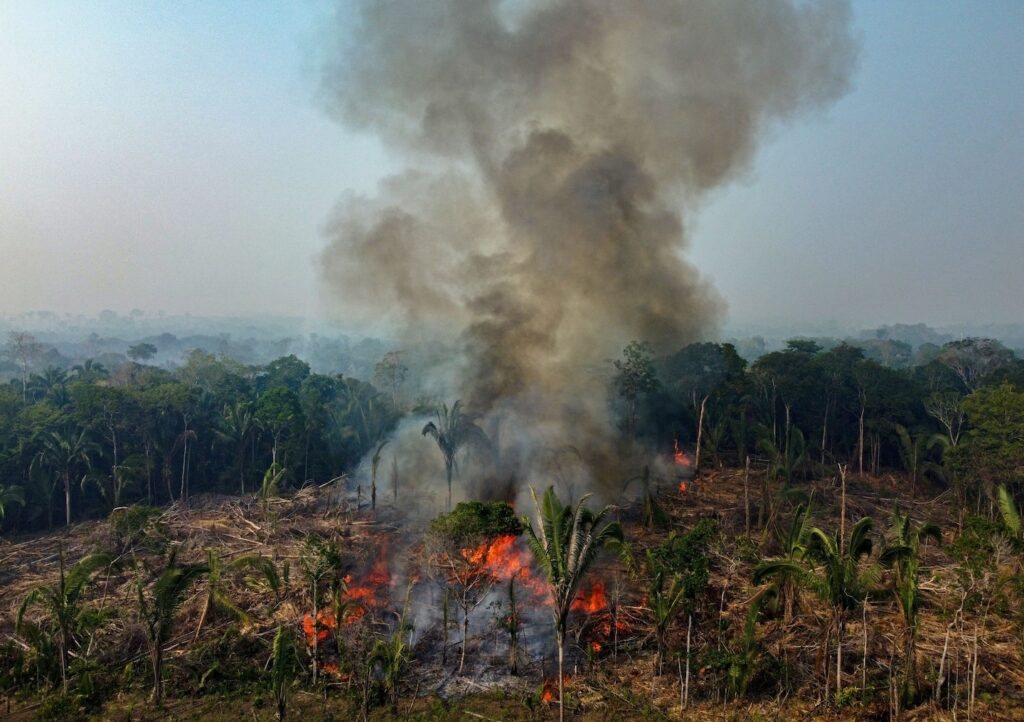
Forests are much more than a backdrop for nature’s drama; they are pivotal in mitigating climate change by sequestering carbon. They act as carbon sinks, absorbing atmospheric CO2 and storing it in biomass and soil. This natural process diminishes the greenhouse effect, providing a buffer against climate change. However, deforestation and land-use changes threaten these invaluable ecosystems, stifling their ability to perform this crucial function.
When corporate giants like Amazon falter in their commitments to sustainability, the repercussions cascade down to the very roots of our forests. Reduced forest cover leads to increased carbon emissions, extinguishing the fragile balance that these ecosystems maintain. Thus, every lapse in commitment to carbon management reverberates throughout the environment.
The Paradox of Convenience
In a world fueled by convenience, fast shipping often comes at the expense of environmental integrity. The paradox lies in our consumer habits; we desire instant gratification, but are oblivious to the accompanying ecological costs. As Amazon shifts gears away from earlier sustainability commitments, consumers must grapple with their complicity in this dynamic.
Expecting eco-conscious consumers to turn a blind eye would be naive. As awareness surrounding climate issues burgeons, a poignant question arises: how can we as consumers navigate this landscape, demanding accountability from corporations while still engaging in typical shopping behaviors?
Challenges to Sustainable Logistics
Sustainable logistics represent a formidable challenge for any corporation, particularly one with the magnitude and scale of Amazon. The intricacies involved—balancing cost, efficiency, and environmental stewardship—are daunting. Logistics networks are complex, and coupling them with sustainability initiatives requires innovation and investment.
Technological advancements, such as electric delivery vehicles and renewable energy-powered warehouses, offer hope. Nonetheless, until corporations fully commit to integrating these technologies on a large scale, the dream of carbon-neutral shipping remains a distant mirage.
The Role of Policy and Consumer Advocacy
Corporate responsibility is not only a moral obligation but also a trend increasingly influenced by public sentiment and regulatory frameworks. With laws and policies that promote environmental protection, there is a clear path toward a sustainable future. Yet, when corporations like Amazon undermine their commitments, it becomes imperative for consumers to advocate for change.
As active participants in this discourse, we wield the power to influence corporate practices. Engaging in dialogue, demanding transparency, supporting ethical businesses, and voting with our wallets can create waves of change. However, it presents a challenge: can we prioritize sustainability without sacrificing convenience?
Conclusion: The Shared Future
The interplay between Amazon’s corporate strategies and our precious forests exemplifies a complex narrative that demands attention. As climate challenges intensify, navigating this landscape becomes a shared responsibility. Education, engagement, and advocacy are our tools—each capable of transforming dialogue into action.
As we ponder the present and chart a path forward, we ask ourselves: is our convenience worth the price of a forest’s health? Consider the weight of your answers, for the future of our environment may rest upon the choices we make today to ensure the harmony of commerce and conservation.









Leave a Comment