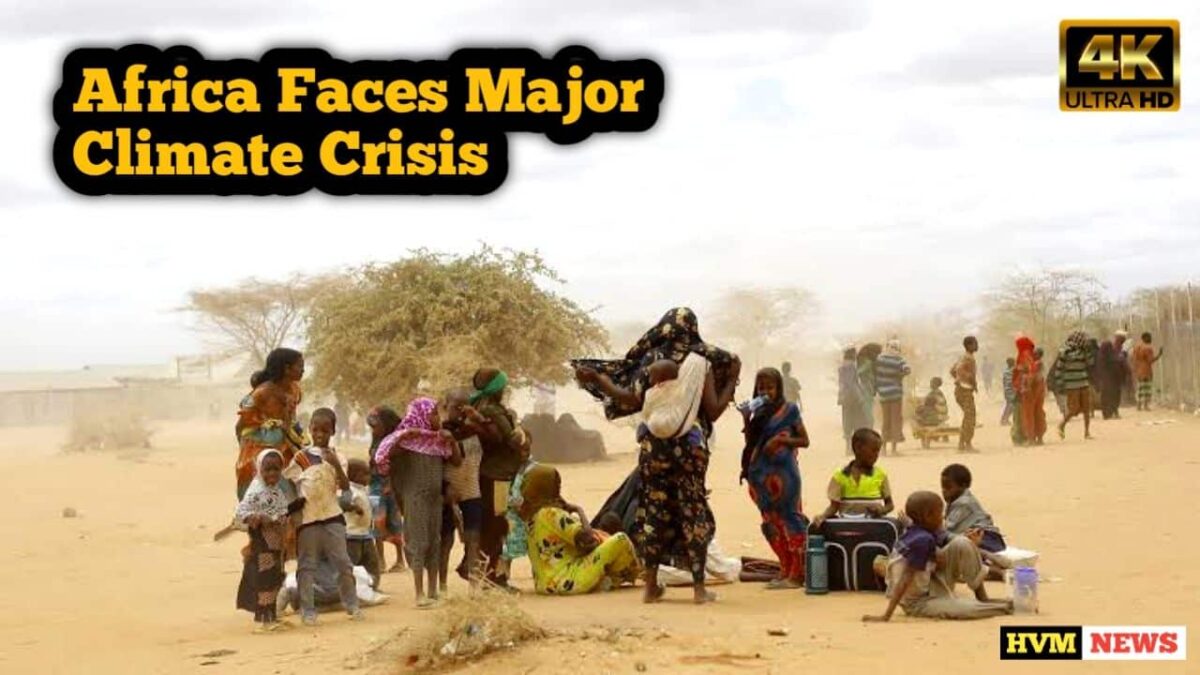
The continent of Africa, often celebrated for its vast landscapes and rich biodiversity, now faces a formidable challenge: a burgeoning air quality crisis intricately linked to the broader, looming specter of climate change. This dual dilemma not only exacerbates public health concerns but also reverberates through the socio-economic frameworks of its diverse nations. In exploring this intersection, it becomes imperative to acknowledge the regional nuances that contribute to this crisis while unveiling the multilayered realities of climate change and its consequences.
The first observation one must confront is the alarming state of air quality across various African countries. Urban centers like Lagos, Cairo, and Nairobi are chronicled for their pernicious pollution levels, often approaching or even exceeding the World Health Organization (WHO) guideline thresholds. With rapid urbanization and industrialization, these cities have seen a dramatic influx of vehicles, construction activities, and industrial emissions, collectively contributing to toxic air particles and hazardous pollutants. The immediate effects on public health are stark; respiratory diseases, cardiovascular issues, and increased morbidity rates have become distressingly common in the wake of this environmental degradation.
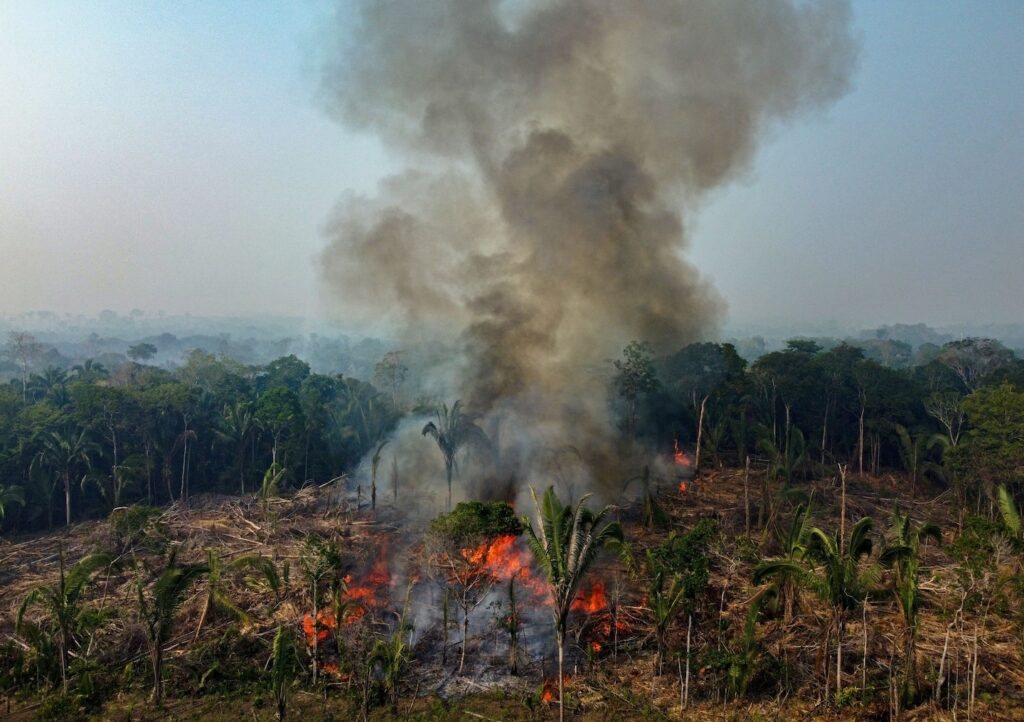
However, to merely regard this as an urban malaise would oversimplify the predicament. Rural areas, often overlooked in discussions of air quality, are equally affected. The reliance on biomass for cooking, coupled with agricultural practices that involve burning, poses significant risks. Households using rudimentary stoves for cooking release particulate matter that infiltrates indoor environments, leading to what the WHO terms “household air pollution.” This exposure engenders chronic respiratory issues, particularly among women and children, illuminating the critical intersection between gender, health, and environmental policy.
As we delve deeper into this crisis, we encounter the role of climate change as both a catalyst and an exacerbating factor. The relationship between climate change and air quality is complex and multifaceted. Rising temperatures attributed to climate change amplify the formation of ground-level ozone, a harmful air pollutant that affects lung function and exacerbates asthma. This phenomenon is particularly concerning during warm months when heatwaves become more frequent and intense, creating an insidious cycle of deterioration.
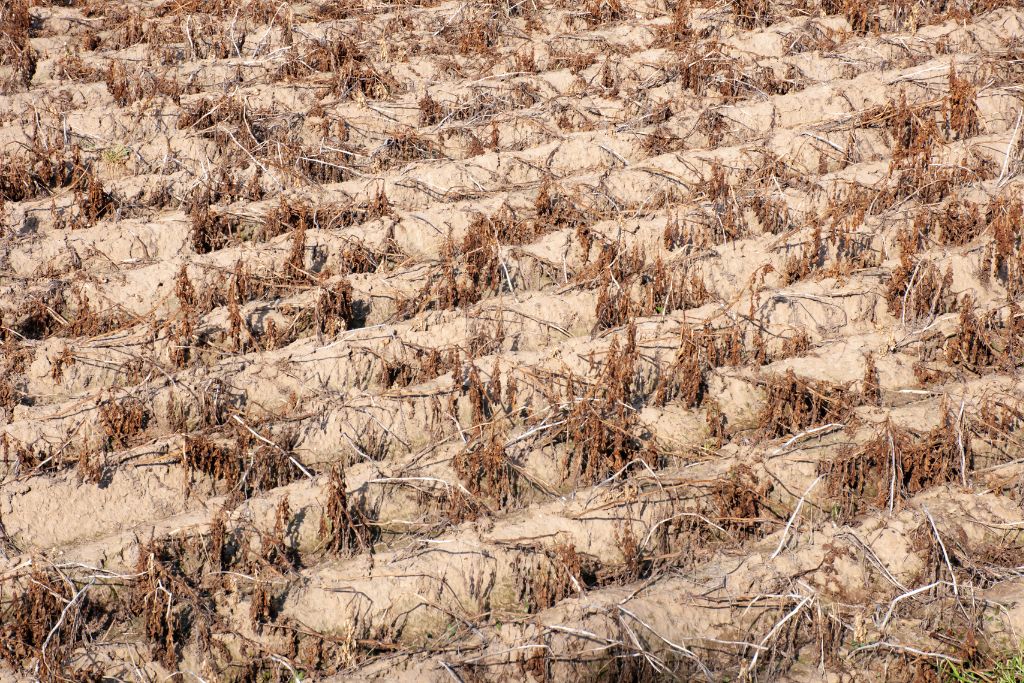
Moreover, climate change precipitates erratic weather patterns, which in turn affect air quality. For instance, prolonged droughts incite dust storms, dispersing harmful particulate matter across vast areas. Conversely, heavy rainfall and flooding can exacerbate the release of pollutants trapped in soil and sediments. This capriciousness introduces additional variables, threatening existing public health measures and challenging local governments’ ability to protect their citizens effectively.
This crisis is underscored by socio-economic realities unique to the continent. Many African nations are classified as developing, grappling with limited financial resources and technological capabilities. Efforts to combat air pollution are often deprioritized in favor of immediate economic concerns, resulting in a lack of regulatory frameworks necessary to mitigate emissions effectively. The challenge becomes a paradox: as these nations strive for economic advancement, their environmental governance often falters, leading to exacerbated air quality issues that ultimately undermine public health.
A further dimension to this narrative is the inequity experienced within societies. Vulnerable populations, including marginalized communities, are disproportionately affected by poor air quality and the ramifications of climate change. The intersection of poverty, lack of education, and minimal access to health care compounds the struggle against these intertwined crises. In urban areas, informal settlements often lack basic infrastructure, thrusting residents into precarious living conditions where exposure to pollution is magnified.
Amidst these daunting challenges, there are glimmers of hope and opportunity. Various grassroots movements and NGOs are gaining momentum, calling for enhanced awareness and policy shifts concerning air quality and climate resilience. Initiatives focusing on reforestation, cleaner cooking technologies, and sustainable urban planning have ignited community engagement, demonstrating that transformation is not merely a distant goal but an achievable reality. These efforts underscore the significance of local knowledge and community-driven solutions in tackling environmental challenges.
Furthermore, the global community plays an essential role in addressing this crisis. International collaboration, coupled with appropriate funding and technological support, can empower African nations to implement necessary interventions. The paradigm of sustainable development must be reinforced, bridging the gap between economic progress and environmental stewardship. This approach not only fosters resilient societies but also ensures that the heritage of Africa’s natural landscapes is preserved for future generations.
At its core, the air quality crisis in Africa and its connection to climate change serves as a clarion call for immediate action. Acknowledging the complexities of this issue is crucial. It urges a comprehensive understanding of the environmental, social, and economic interdependencies at play. As dialogues surrounding climate change amplify globally, it is incumbent upon both national and international bodies to prioritize sustainable governance frameworks that promote cleaner air and healthier futures. The realization of this vision will hinge on proactive measures, unwavering commitment, and the recognition that air quality is intrinsically linked to the fundamental right to a healthy life.







Leave a Comment