
Bioenergy with Carbon Capture and Storage (BECCS) combines renewable bioenergy with underground CO₂ sequestration, offering potential net‑negative emissions but raising questions about land use, cost, and long‑term safety.
Quick Answer
BECCS is a technology that burns sustainably grown biomass for energy while capturing the resulting carbon dioxide and storing it deep underground. The process can, in theory, remove more CO₂ from the atmosphere than it emits, creating net‑negative emissions. Scientific assessments agree that BECCS could contribute several gigatonnes of CO₂ removal per year if deployed at large scale, but substantial uncertainties remain around land‑use impacts, economic feasibility, and the durability of geological storage.
Key Takeaways
- BECCS can produce renewable energy and capture carbon simultaneously, offering a pathway to net‑negative emissions.
- Large‑scale deployment requires significant land for biomass, potentially competing with food production and biodiversity.
- Carbon capture and storage technologies are still maturing; cost and long‑term leak risk are major concerns.
- High‑confidence findings confirm the basic physics of CO₂ capture and storage, but regional suitability varies widely.
- Policy, financing, and equitable governance are essential to avoid unintended social or environmental harms.
What Is BECCS: A Silver Bullet or Risky Bet for Cutting Carbon Emissions??
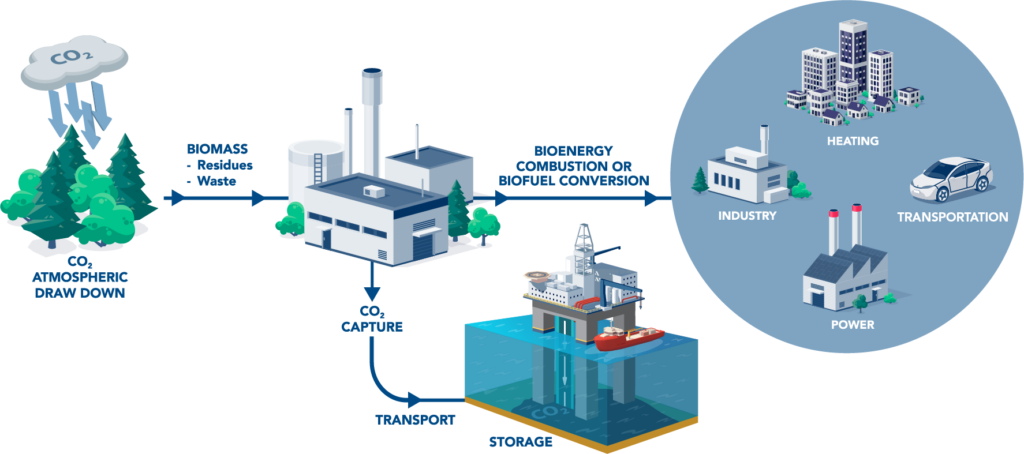
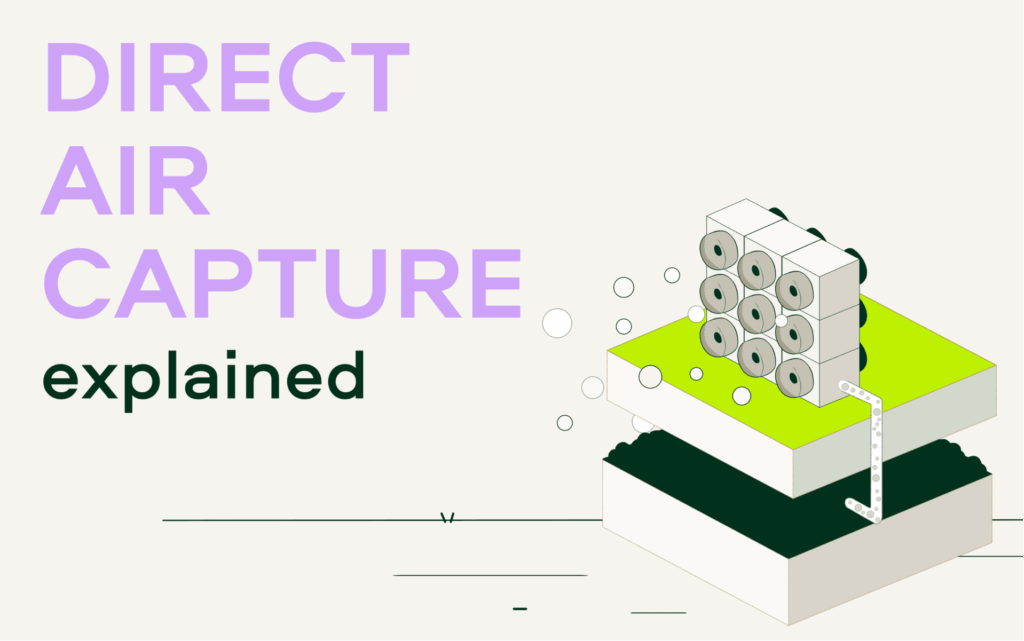
BECCS stands for Bioenergy with Carbon Capture and Storage. It involves three linked steps: (1) growing biomass that absorbs CO₂ through photosynthesis, (2) converting that biomass into usable energy (e.g., electricity or heat), and (3) capturing the CO₂ released during conversion and injecting it into deep saline aquifers or depleted oil and gas reservoirs. The term differs from plain bioenergy, which releases the absorbed carbon back to the atmosphere, and from direct air capture, which removes CO₂ without an energy‑production component.
The concept matters because achieving net‑zero emissions by mid‑century may require not only reducing emissions but also actively removing CO₂. BECCS is one of the few approaches that can deliver both energy and removal simultaneously.
How Does It Work?
1. Biomass Production
Plants take up CO₂ during photosynthesis, storing carbon in their tissues. Sustainable feedstocks include short‑rotation coppice, agricultural residues, or purpose‑grown energy crops such as miscanthus.
2. Energy Conversion
Biomass is burned in a power plant or processed in a biorefinery to generate electricity, heat, or liquid fuels. Combustion releases CO₂ and other gases.
3. Carbon Capture
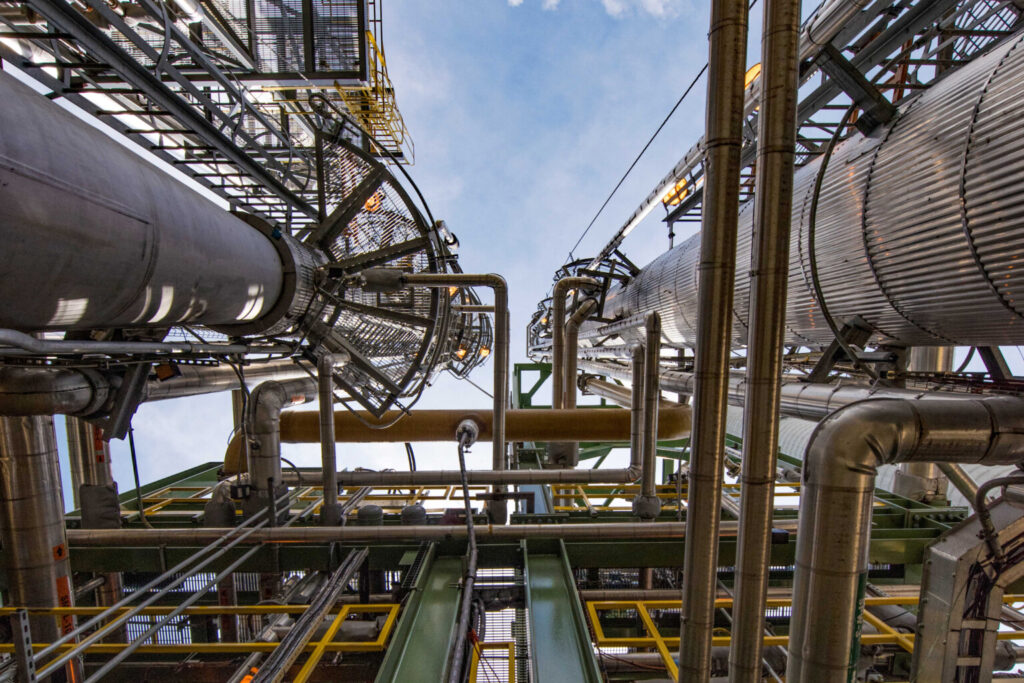
Post‑combustion capture technologies—typically amine‑based solvents—separate CO₂ from flue gas. Capture rates of 85‑95 % are reported in pilot plants (International Energy Agency, 2022).
4. Transportation and Storage
Captured CO₂ is compressed, transported via pipelines or ships, and injected into geological formations that have proven sealing capacity. Monitoring ensures that CO₂ remains trapped over millennial timescales.
What Does the Evidence Show?
Multiple lines of evidence support the technical feasibility of each BECCS component. The IPCC Sixth Assessment Report (2023) identifies BECCS as a “high‑potential” negative‑emissions technology, citing modelled scenarios where BECCS contributes up to 5 GtCO₂ yr⁻¹ by 2050 under optimistic assumptions. Field trials in the United States (e.g., the Illinois Basin) and Europe (e.g., the Drax plant) have demonstrated capture efficiencies above 90 % and stable storage over several years.
However, life‑cycle analyses reveal that net‑negative outcomes depend on low‑emission biomass supply chains and minimal land‑use change emissions. A systematic review in *Nature Climate Change* (2021) found wide variability: net removal ranged from –0.2 to –1.5 tCO₂ per tonne of biomass, largely driven by feedstock origin and transport distances.
Main Causes or Drivers
Direct Drivers
- Policy incentives such as carbon pricing or subsidies for negative‑emission technologies.
- Corporate net‑zero pledges that count BECCS toward removal targets.
Underlying Drivers
- Rising atmospheric CO₂ concentrations (≈420 ppm in 2023) creating demand for removal pathways.
- Declining costs of renewable electricity, making bioenergy more competitive.
- Advances in solvent chemistry that lower capture energy penalties.
Environmental and Human Impacts
Environmental Impacts
- Land use: Large plantations can displace natural habitats, reduce biodiversity, and alter soil carbon stocks.
- Water demand: Irrigated energy crops increase freshwater withdrawals, especially in arid regions.
- Carbon storage security: Geological leakage risk is low but not zero; long‑term monitoring is essential.
Human Health and Social Impacts
- Communities near biomass farms may face air‑quality concerns from fertilizer use and dust.
- Land acquisition can affect food security and livelihoods, particularly where marginal lands are converted to energy crops.
- Job creation in rural areas is possible, but benefits depend on governance and fair labor practices.
Regional Differences
In temperate Europe, abundant low‑carbon farmland and mature CCS infrastructure make BECCS relatively feasible. In contrast, tropical regions often have higher biodiversity value and water scarcity, raising the cost of land‑use trade‑offs. The United States Midwest possesses deep saline formations suitable for storage, yet the scale of required biomass could compete with corn and soy production.
What Scientists Know With High Confidence
What Scientists Know With High Confidence
- Photosynthesis reliably captures atmospheric CO₂ into plant biomass.
- Post‑combustion solvent capture can remove >85 % of CO₂ from flue gases.
- Geologically suitable storage sites exist worldwide; monitored injections have shown <0.01 % leakage over decades.
- Life‑cycle analyses consistently show that net‑negative performance hinges on low‑impact feedstock supply.
What Remains Uncertain
What Remains Uncertain
Key uncertainties include the realistic availability of sustainable biomass at the scale required for gigatonne‑level removal, the economic cost per tonne of CO₂ removed (estimates range from $80 to $300), and the long‑term integrity of storage under varying geological conditions. Additionally, social acceptance and equitable land‑use policies remain poorly quantified.
Common Misconceptions
Common Misconceptions
Misconception: BECCS can replace all other climate solutions.
Reality: BECCS is one of many tools; it cannot substitute for rapid decarbonisation of electricity, industry, and transport.
Misconception: All biomass is carbon‑neutral.
Reality: Carbon neutrality depends on cultivation practices, land‑use change, and supply‑chain emissions; poorly managed feedstocks can increase net emissions.
Misconception: Captured CO₂ stays underground forever.
Reality: While most geological formations provide long‑term containment, monitoring is required to verify that leakage remains below acceptable thresholds.
Solutions and Limitations
BECCS can be integrated into broader mitigation portfolios that include renewable electricity, energy efficiency, and nature‑based removal. Its limitations are notable:
- Technical: Capture equipment adds energy penalties, reducing overall efficiency.
- Economic: High capital costs and uncertain revenue streams hinder private investment.
- Environmental: Land competition may exacerbate deforestation or food insecurity.
- Governance: Robust regulatory frameworks are needed to certify storage permanence and allocate benefits equitably.
What Individuals, Communities, and Governments Can Do
What Individuals Can Do
- Support policies that fund research and demonstration of low‑cost carbon capture.
- Choose products sourced from sustainably managed forests or agricultural residues.
- Engage in local land‑use planning to ensure biomass projects do not displace food crops.
What Communities and Organizations Can Do
- Partner with universities or NGOs to monitor local water and soil health where biomass is grown.
- Develop community‑owned bioenergy projects that retain revenues locally.
- Advocate for transparent reporting of CO₂ storage monitoring data.
What Governments Can Do
- Implement clear accounting rules for BECCS under national emissions inventories.
- Provide targeted subsidies or tax credits that reward genuine net‑negative outcomes, not just energy output.
- Invest in pilot CCS infrastructure and create permitting pathways that enforce long‑term liability.
- Ensure land‑use policies protect high‑biodiversity areas and food security.
Synthesis
BECCS offers a scientifically plausible route to net‑negative emissions by pairing renewable bioenergy with proven CO₂ storage techniques. High‑confidence evidence confirms the underlying processes, yet large uncertainties about sustainable biomass supply, cost, and societal acceptance limit its immediate scalability. When combined with aggressive emissions reductions and complementary removal methods, BECCS can contribute meaningfully to climate goals—provided that policies safeguard ecosystems, food systems, and equitable outcomes.
Frequently Asked Questions
What does BECCS stand for and how does it work?
BECCS stands for Bioenergy with Carbon Capture and Storage; it grows biomass that absorbs CO₂, burns the biomass for energy, captures the released CO₂, and stores it underground, potentially achieving net‑negative emissions.
Can BECCS replace the need for other renewable energy sources?
No. BECCS is one tool among many; rapid decarbonisation of electricity, transport, and industry remains essential, and BECCS cannot alone meet global climate targets.
What are the main environmental risks associated with large‑scale BECCS deployment?
Key risks include land‑use change that can harm biodiversity and food security, increased water demand for crops, and the low but present possibility of CO₂ leakage from geological storage sites.
How confident are scientists that captured CO₂ will stay underground permanently?
Scientists have high confidence that suitable geological formations can retain CO₂ with leakage rates below 0.01 % over decades, but long‑term monitoring is required to confirm permanence.
What actions can governments take to support responsible BECCS development?
Governments can create clear accounting rules, offer targeted subsidies for net‑negative outcomes, fund pilot CCS projects, and enforce land‑use policies that protect biodiversity and food security.





Leave a Comment