
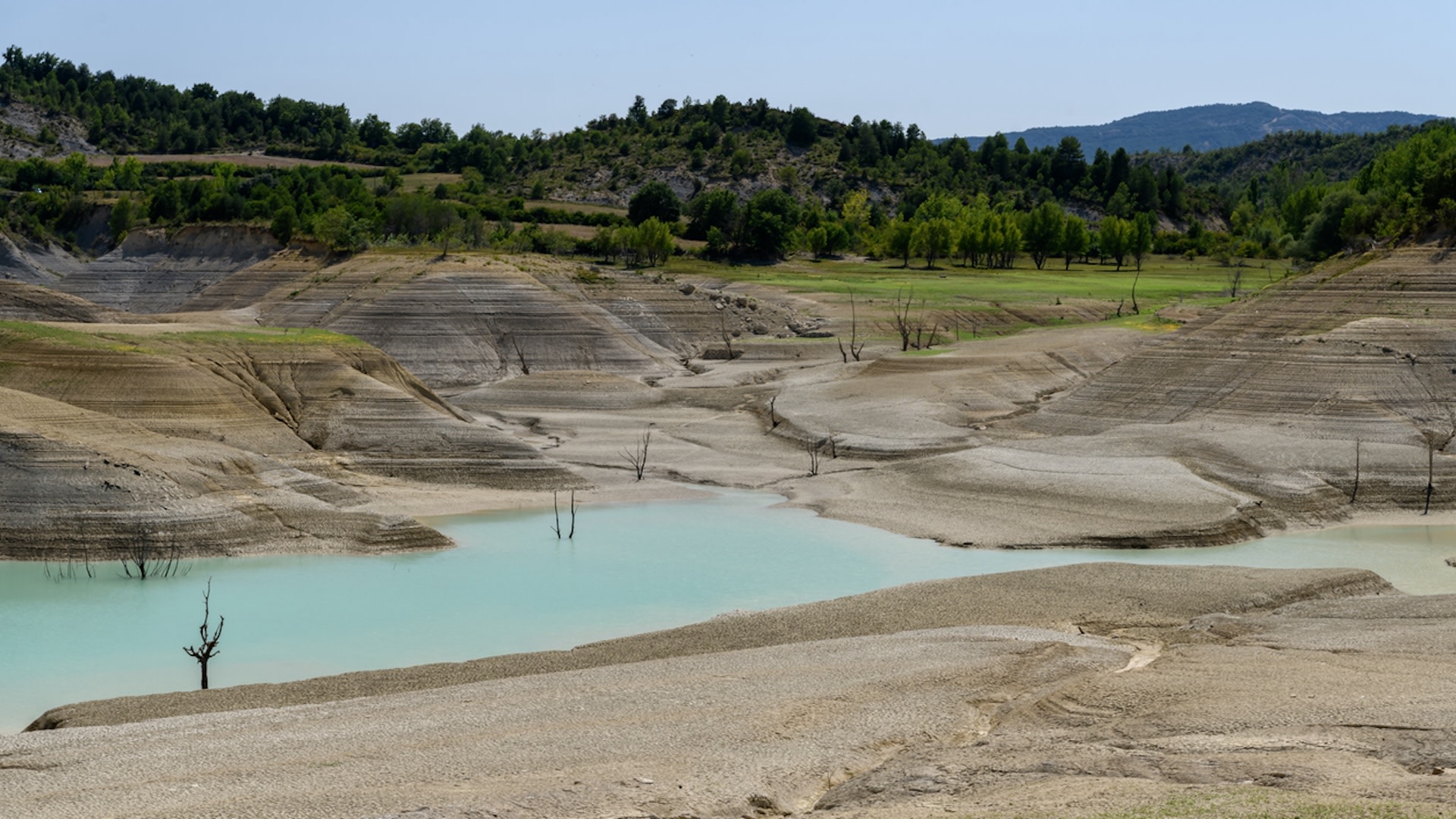
Freshwater scarcity is rising worldwide due to uneven distribution, climate change, and growing demand, making it essential to understand the science, impacts, and evidence‑based solutions.
Quick Answer
While Earth holds abundant water, only about 2.5% is fresh, and less than one‑third of that is readily accessible for human use. Physical limits, polluted supplies, and uneven geographic distribution create a global water shortage that is worsening under climate stress and population growth. The most critical impact is reduced water security for agriculture, ecosystems, and urban populations, which can trigger economic strain and health risks. However, the situation is not a simple depletion of a finite resource; rather, it reflects mismatches between supply, quality, and demand, with significant uncertainty around future regional outcomes.
Key Takeaways
- Only ~2.5% of Earth’s water is freshwater; about 68% of that is locked in ice.
- Physical, economic, and social scarcity each contribute to water stress.
- Climate change alters precipitation patterns and intensifies droughts.
- Pollution and over‑extraction reduce the usable portion of existing supplies.
- Evidence‑based solutions include demand management, efficient irrigation, and ecosystem restoration.
What Is Are We Running Out of Water? Global Shortages Explained?
The phrase refers to the growing mismatch between freshwater availability and human‑societal needs. It encompasses three dimensions: physical scarcity (insufficient natural supply), economic scarcity (lack of infrastructure or finance to obtain water), and social scarcity (unequal access caused by governance or inequality). The concept differs from occasional droughts because it focuses on long‑term trends and systemic constraints rather than short‑term weather events.
How Does It Work?
1. The Hydrologic Cycle
Solar energy drives evaporation of water from oceans, lakes, and soils. Water vapor condenses into clouds, precipitates as rain or snow, and recharges rivers, groundwater, and reservoirs. Only a small fraction of this cycle reaches terrestrial freshwater stores; the rest returns to the oceans.
2. Storage and Flow
Freshwater is stored in three major reservoirs: surface water (rivers, lakes), groundwater aquifers, and ice (glaciers, snowpack). Human withdrawals draw mainly from surface water and shallow aquifers, while deep aquifers recharge over centuries.
3. Human Interference
Infrastructure (dams, canals, treatment plants) redirects water for agriculture, industry, and domestic use. Over‑extraction lowers river flows and depletes aquifers. Simultaneously, pollutants from agriculture, industry, and sewage degrade water quality, turning otherwise abundant supplies into unusable resources.
What Does the Evidence Show?
Long‑term monitoring by the United Nations World Water Assessment (2023) indicates that 2.1 billion people live in regions with high water stress. Peer‑reviewed meta‑analyses (e.g., Vörösmarty et al., 2020, *Nature*) find that river discharge has declined by 20‑30% in many basins since the 1970s, consistent with climate‑driven reductions in snowpack and increased evapotranspiration. The Intergovernmental Panel on Climate Change (IPCC, 2021) reports that extreme precipitation events have become more frequent, while dry spells lengthen in subtropical regions. These independent lines of observation, modelling, and attribution studies converge on the conclusion that water scarcity is expanding in both quantity and quality.
Main Causes or Drivers
Physical Drivers
- Reduced precipitation and snowmelt in arid and semi‑arid basins.
- Higher temperatures increasing evaporation rates.
Human Drivers
- Population growth and urbanization raising per‑capita demand.
- Agricultural irrigation accounting for ~70% of global freshwater withdrawals (FAO, 2022).
- Industrial processes and energy production consuming large water volumes.
- Inadequate wastewater treatment leading to pollution.
Amplifying Factors
- Deforestation reducing watershed retention.
- Groundwater over‑pumping causing land subsidence.
- Policy gaps that limit integrated water resources management.
Environmental and Human Impacts
Environmental Impacts
Reduced river flow harms aquatic habitats, lowers biodiversity, and impairs ecosystem services such as nutrient cycling. Wetland loss diminishes natural water filtration, increasing downstream pollution. Altered flow regimes can also trigger algal blooms, further degrading water quality.
Human Health and Social Impacts
Water‑borne diseases rise when communities rely on contaminated sources. Inadequate water for hygiene amplifies the spread of diarrheal illnesses, especially among children under five. Social tensions may emerge over competing water claims, sometimes escalating into conflict.
Economic and Infrastructure Impacts
Agricultural yield reductions from irrigation shortages can raise food prices and threaten livelihoods in rural areas. Urban utilities face higher treatment costs and may impose water restrictions, affecting industry and daily life. Infrastructure built for historic flow levels may become insufficient, leading to costly retrofits.
Regional Differences
In the Middle East and North Africa, arid climates and limited renewable water make scarcity acute; desalination offers partial relief but is energy‑intensive. South Asia experiences monsoon variability, with floods alternating with droughts, stressing both flood control and water storage. Sub‑Saharan Africa often faces both physical scarcity and limited investment in water infrastructure, leading to high rates of unsafe water use. In contrast, parts of the Pacific Northwest (USA) have abundant runoff but face seasonal snowpack decline, threatening future summer water supplies.
What Scientists Know With High Confidence
- Freshwater represents a tiny fraction of Earth’s total water, and the majority is locked in ice.
- Human withdrawals exceed renewable supply in several major basins, creating physical scarcity.
- Climate change is shifting precipitation patterns, increasing the frequency of both droughts and intense storms.
- Poor water quality from pollution effectively reduces usable freshwater volumes.
- Agriculture is the dominant user of freshwater worldwide.
What Remains Uncertain
Key uncertainties include the exact timing and magnitude of regional climate impacts on water availability, the rate of groundwater depletion under varying management regimes, and the socioeconomic pathways that will determine future demand. Limited monitoring in many low‑income regions hampers precise quantification, and model projections diverge based on emissions scenarios and land‑use assumptions. Improving observation networks and integrating socioeconomic scenarios will reduce these gaps.
Common Misconceptions
Misconception: “The planet will run out of water soon.”
Reality: The total amount of water on Earth is virtually constant; the crisis stems from uneven distribution, quality loss, and over‑use of accessible freshwater.
Misconception: “Desalination can solve all water shortages.”
Reality: While desalination provides a reliable source for coastal regions, it is energy‑intensive, costly, and creates brine waste that can harm marine ecosystems.
Misconception: “Rainfall guarantees water security.”
Reality: Even in rain‑rich regions, inadequate storage, poor infrastructure, and contamination can prevent reliable access to safe water.
Solutions and Limitations
Effective responses combine demand management, technology, and ecosystem stewardship.
- Water‑use efficiency: Drip irrigation can cut agricultural water use by 30‑50%, but adoption depends on farmer capital and knowledge.
- Rainwater harvesting: Capturing rooftop runoff reduces pressure on municipal supplies, yet storage capacity limits its usefulness during prolonged droughts.
- Wastewater reuse: Advanced treatment enables safe reuse for irrigation, but requires substantial investment and public acceptance.
- Integrated river basin management: Coordinating upstream and downstream users improves allocation, but success hinges on strong governance and cross‑border cooperation.
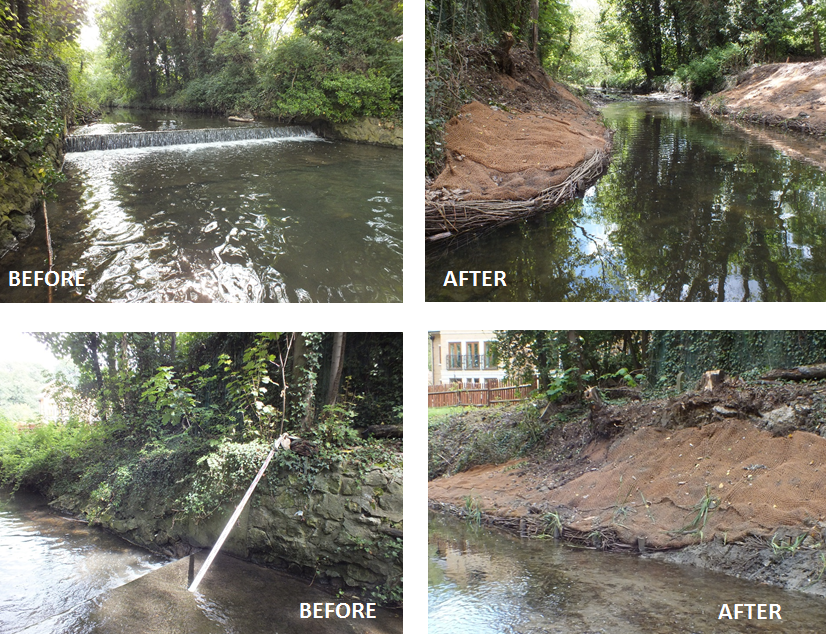
- Nature‑based solutions: Restoring wetlands enhances natural filtration and flood buffering, though land‑use conflicts can arise.
What Individuals, Communities, and Governments Can Do
What Individuals Can Do
Install water‑efficient fixtures, fix leaks promptly, and choose low‑water‑use appliances. Support policies that fund water infrastructure and protect watersheds.
What Communities and Organizations Can Do
Implement community rainwater harvesting programs, promote water‑wise landscaping (xeriscaping), and establish local water monitoring committees to guide management decisions.
What Governments Can Do
Invest in modernized distribution networks to reduce losses, enforce regulations limiting industrial discharge, subsidize efficient irrigation technologies, and develop national water‑security strategies aligned with climate projections.
What Businesses and Industries Can Do
Adopt water‑risk assessments, set targets for reducing water footprints, and recycle process water where feasible. Transparency in reporting encourages accountability.
Closing Synthesis
Global water scarcity reflects a complex interplay of physical limits, climate change, pollution, and socio‑economic factors. High‑confidence science confirms that freshwater is limited, unevenly distributed, and increasingly stressed. Uncertainties remain around regional climate impacts and future demand trajectories, highlighting the need for better data and adaptive planning. Evidence‑based solutions—ranging from efficient irrigation to ecosystem restoration—offer pathways to mitigate stress, but each carries trade‑offs that require careful governance. Collective action across scales, informed by robust science, is essential to ensure water security for ecosystems and societies alike.
Frequently Asked Questions
What defines water scarcity?
Water scarcity occurs when the demand for freshwater exceeds the available supply or when water quality is insufficient for human and ecosystem needs, leading to physical, economic, or social shortages.
How does climate change affect water availability?
Climate change alters precipitation patterns, increases evaporation, and reduces snowpack, which together can lower river flows and groundwater recharge, intensifying droughts in some regions while increasing flood risk in others.
Why is agriculture a major driver of water stress?
Agriculture consumes about 70% of global freshwater withdrawals, mainly for irrigation, so inefficient practices or expanding cultivated areas directly increase pressure on limited water resources.
What are the most reliable solutions to reduce water scarcity?
Evidence‑based solutions include improving irrigation efficiency, expanding wastewater reuse, restoring wetlands, and implementing integrated river basin management, each addressing demand, quality, or supply constraints.
Can individuals make a meaningful impact on water scarcity?
Individuals can lower personal water use through efficient fixtures, leak repairs, and water‑wise landscaping, and can support policies and community projects that promote sustainable water management.





Leave a Comment