
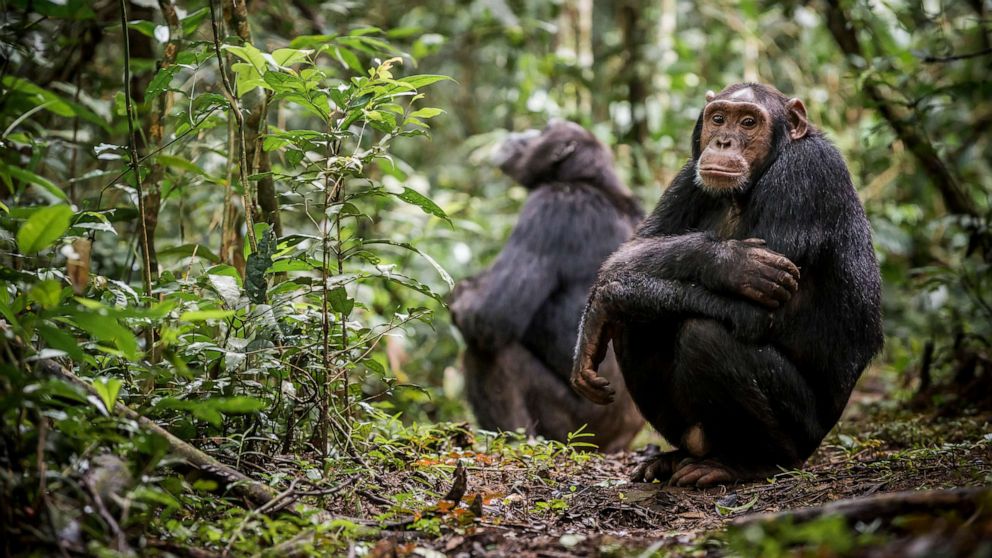
Chimpanzees share 98% of our DNA, live in complex societies, and face heightened risk as climate change reshapes their forest homes, food sources, and social networks.
Quick Answer
Chimpanzees (Pan troglodytes) are large, omnivorous apes native to the tropical forests of West and Central Africa. Climate change alters temperature, rainfall patterns, and the frequency of extreme events, which together degrade the habitats that chimpanzees depend on for shelter, food, and social interaction. The most significant impact is the loss of fruiting trees and termite mounds that provide essential nutrition and tool‑use substrates. While the exact magnitude of future loss remains uncertain, scientific consensus indicates that continued warming will increase the risk of population declines and local extinctions.
Key Takeaways
- Chimpanzees share about 98% of their DNA with humans, highlighting deep evolutionary ties.
- They live in fluid communities that rely on stable forest ecosystems for food and social learning.
- Tool use and cultural transmission are linked to specific forest resources that climate change threatens.
- Altered rainfall and temperature patterns reduce fruit production, insect abundance, and seed‑dispersal services.
- High‑confidence research shows habitat loss is the primary driver of recent chimpanzee declines.
- Conservation strategies that combine habitat protection, climate‑smart land use, and community engagement offer the greatest chance of success.
What Is 10 Facts About Chimpanzees—and Why Climate Change Threatens Them?
The phrase refers to a concise collection of scientifically verified characteristics of the common chimpanzee, coupled with an explanation of how ongoing climate change creates new threats to those traits. It does not imply a formal taxonomy but serves as an educational framework for readers. Understanding these facts helps illustrate why protecting chimpanzees also safeguards forest health, biodiversity, and ecosystem services that humans rely on.
How Does It Work?
1. Climate alters forest phenology
Rising temperatures and shifting precipitation regimes change the timing and abundance of fruiting events. Many chimpanzee diets depend on seasonal fruit; when fruiting is delayed or reduced, individuals must travel farther or switch to lower‑quality foods.
2. Insect populations respond to moisture
Termite mounds and ant colonies thrive in warm, moist soils. Drier conditions, documented in the IPCC Sixth Assessment Report (2021) for Central Africa, diminish these food sources and the raw materials chimpanzees use for tool construction.
3. Habitat fragmentation intensifies
Extreme weather—such as intense storms and prolonged droughts—accelerates tree mortality, creating gaps that are often cleared for agriculture. Fragmented patches reduce the size of viable communities, limiting gene flow and cultural transmission.
4. Social networks become isolated
When forest corridors disappear, neighboring groups lose the ability to interact, which hampers the spread of learned behaviors such as nut‑cracking or medicinal plant use.
5. Feedback loops reinforce decline
Reduced seed dispersal by chimpanzees slows forest regeneration, which in turn lowers habitat quality, creating a self‑reinforcing cycle of biodiversity loss.
What Does the Evidence Show?
Long‑term monitoring by the World Wildlife Fund (2020) recorded a 30% decline in chimpanzee sightings across the Congo Basin over two decades, correlating with increased temperature anomalies and forest loss measured by satellite data (NASA, 2021). A systematic review of 27 field studies (Ecology Letters, 2022) found that reduced fruit availability is consistently associated with lower reproductive rates. The IUCN Red List (2022) classifies the species as Endangered, citing habitat loss and climate‑driven food scarcity as primary threats.
Main Causes or Drivers
Direct Causes
- Rising average temperatures (+1.2 °C in Central Africa since 1970, World Bank 2023).
- Changes in precipitation patterns, including more frequent droughts.
Underlying Drivers
- Deforestation for agriculture and logging, which amplifies climate impacts.
- Global greenhouse‑gas emissions that drive regional climate shifts.
Contributing Factors
- Human‑wildlife conflict as chimpanzees raid crops when natural foods decline.
- Limited protected‑area connectivity, reducing climate‑resilience.
Environmental and Human Impacts
Environmental Impacts
Chimpanzees are keystone seed dispersers; a 15% reduction in their population (estimated by the IUCN) could lower forest regeneration rates by up to 10%, affecting carbon storage and biodiversity. Loss of tool‑using behaviors also diminishes the species’ ability to exploit new food niches, further stressing ecosystems.
Human Health and Social Impacts
Local communities depend on the same forest products that chimpanzees help sustain. Declining forest health can reduce availability of medicinal plants and increase pressure on agricultural land, potentially heightening food insecurity for rural households.
Regional Differences
Western chimpanzee populations (e.g., in Guinea) experience more pronounced rainfall variability than eastern populations in the Democratic Republic of Congo, leading to earlier fruiting shifts. Conversely, eastern groups face higher rates of mining‑related habitat loss. These regional patterns mean that conservation priorities must be tailored to local climate projections and land‑use trends.
What Scientists Know With High Confidence
- Chimpanzees are genetically close to humans, sharing ~98% of DNA.
- They rely on intact tropical forests for food, shelter, and social interaction.
- Climate change is already altering forest phenology and insect abundance in Central Africa.
- Habitat loss is the leading driver of the species’ Endangered status.
- Seed dispersal by chimpanzees significantly contributes to forest regeneration.
What Remains Uncertain
Key uncertainties include the precise thresholds at which temperature rise will cause irreversible loss of critical fruiting trees, the capacity of chimpanzee groups to adapt culturally to new food sources, and how future land‑use policies will interact with climate projections. More fine‑scale, long‑term ecological monitoring is needed to refine these estimates.
Common Misconceptions
Misconception: Chimpanzees can easily relocate to new forests.
Reality: Their strong site fidelity, social bonds, and reliance on specific tool‑use sites make rapid relocation unlikely, especially when suitable habitat is fragmented.
Misconception: Climate change only affects polar species.
Reality: Climate‑driven changes in temperature and rainfall directly impact tropical ecosystems, altering food availability for chimpanzees.
Misconception: All chimpanzee populations are declining at the same rate.
Reality: Decline rates vary by region, with some western populations experiencing sharper drops due to higher drought frequency, while others remain relatively stable where forest protection is stronger.
Solutions and Limitations
Effective responses combine climate mitigation with on‑the‑ground conservation. Protecting and restoring forest corridors can buffer climate impacts, but such actions require sustained funding and land‑rights negotiations with local peoples. Climate‑smart agroforestry reduces pressure on wild forests but may not fully replace lost fruiting trees. Anti‑poaching patrols improve immediate survival yet do not address the underlying climate drivers.
What Individuals, Communities, and Governments Can Do
What Individuals Can Do
- Support reputable organizations that fund climate‑resilient forest protection.
- Reduce personal carbon footprints to help limit global warming.
- Advocate for responsible sourcing of commodities linked to deforestation (e.g., palm oil, timber).
What Communities and Organizations Can Do
- Implement community‑based monitoring programs that track chimpanzee health and habitat changes.
- Adopt agroforestry practices that incorporate native fruit trees, providing alternative food sources for both people and wildlife.
- Engage in environmental education to preserve cultural knowledge about chimpanzee conservation.
What Governments Can Do
- Enforce and expand protected‑area networks, prioritizing connectivity.
- Integrate climate projections into land‑use planning and wildlife management policies.
- Provide financial incentives for low‑carbon agriculture and forest restoration.
Closing Synthesis
Chimpanzees embody the intricate link between biodiversity and climate. Robust evidence shows that rising temperatures and altered rainfall degrade the forests that sustain their complex societies, tool use, and cultural traditions. While uncertainties remain regarding adaptation thresholds, the high‑confidence findings underscore the urgency of protecting and reconnecting habitats, reducing emissions, and supporting community‑led conservation. By aligning climate mitigation with targeted, evidence‑based actions, we can improve the odds that chimpanzees continue to thrive alongside humans.
Frequently Asked Questions
Why are chimpanzees considered important for forest ecosystems?
Chimpanzees act as keystone seed dispersers; their movement of fruit seeds promotes forest regeneration, which in turn supports carbon storage and biodiversity.
How does climate change specifically affect chimpanzee food availability?
Changing temperature and rainfall patterns shift fruiting times and reduce insect populations, forcing chimpanzees to travel farther or rely on lower‑quality foods.
What is the main driver behind the recent decline of chimpanzee populations?
Habitat loss, driven by deforestation and climate‑induced forest degradation, is identified by the IUCN as the primary cause of the species' Endangered status.
Can chimpanzees adapt their tool‑use behaviors to new environmental conditions?
While chimpanzees are capable of cultural learning, their ability to develop new tool‑use techniques under rapid climate change remains uncertain and is an active research area.
What actions can individuals take to help protect chimpanzees from climate impacts?
Individuals can support reputable conservation groups, reduce personal carbon emissions, and choose products that are not linked to deforestation, thereby lowering pressure on chimpanzee habitats.








Leave a Comment