
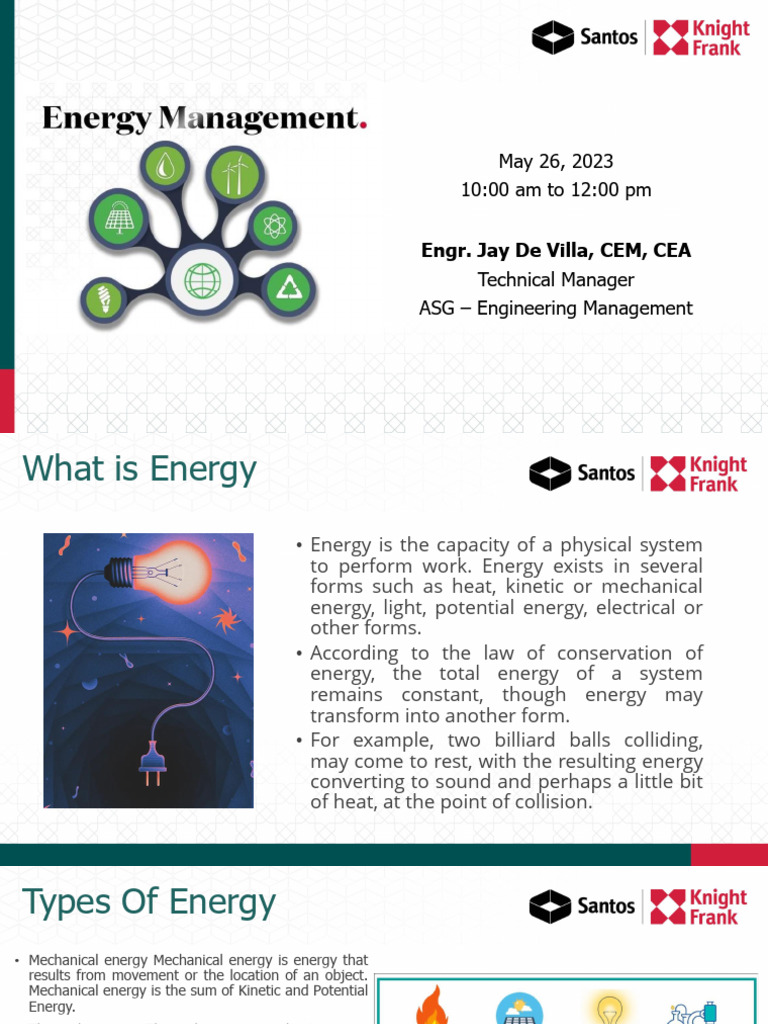
Energy management is the systematic planning, monitoring, and optimization of energy use across homes, businesses, and industry to cut costs, lower emissions, and increase resilience, while acknowledging scientific uncertainties and regional differences.
Quick Answer
Energy management refers to the coordinated set of practices, technologies, and policies that aim to reduce the amount of energy required to deliver the same level of service. It works by measuring consumption, identifying inefficiencies, and implementing corrective actions such as upgrading equipment, improving processes, or shifting to renewable sources. The strongest scientific consensus is that systematic energy management can lower greenhouse‑gas emissions by 5‑15 % in most sectors, while also delivering economic savings. Uncertainty remains around the speed of technology adoption in low‑income regions and the exact magnitude of future demand under different policy pathways.
Key Takeaways
- Energy management combines measurement, analysis, and action to improve energy efficiency.
- It reduces both operating costs and carbon emissions, supporting climate‑change mitigation.
- Global studies show that roughly 30 % of energy in commercial and industrial settings is wasted.
- Effective programs require data, stakeholder coordination, and supportive policy frameworks.
- Solutions differ by region, sector, and resource availability, and no single measure solves the whole problem.
What Is Energy Management and Why Do We Need It??
Energy management is a discipline that spans the entire energy life‑cycle—from generation and transmission to end‑use. It involves three core steps: (1) establishing a baseline of consumption, (2) implementing efficiency measures, and (3) continuously monitoring performance to ensure improvements are sustained. The scope includes residential buildings, commercial facilities, manufacturing plants, and even whole‑city grids. Sub‑categories such as building energy management systems (BEMS), industrial energy audits, and smart‑grid demand‑response programs address specific contexts. Unlike simple “turn‑off‑the‑lights” advice, energy management integrates technical, economic, and behavioral dimensions, making it a cornerstone of sustainable development.
How Does It Work?
Data Collection and Baseline Establishment
Accurate measurement is the foundation. Smart meters, sub‑metering, and infrared thermography capture real‑time or granular data on electricity, gas, and heat use. The International Energy Agency (IEA) reported in 2022 that nations with nationwide smart‑meter rollouts reduced residential electricity demand by 4‑7 % on average.
Analysis and Identification of Inefficiencies
Collected data feed into analytics platforms that flag abnormal patterns, equipment that runs idle, or processes that consume excess heat. Machine‑learning models can predict peak loads and suggest optimal set‑points, a capability highlighted in a 2021 review by the U.S. Department of Energy.
Implementation of Efficiency Measures
Typical actions include upgrading to high‑efficiency motors, installing LED lighting, retrofitting insulation, and optimizing HVAC control sequences. In the industrial sector, the World Bank’s 2019 systematic review found that motor‑efficiency upgrades alone can cut electricity use by 10‑25 %.
Continuous Monitoring and Verification
After changes are made, ongoing monitoring verifies savings. Verification protocols such as the International Performance Measurement and Verification Protocol (IPMVP) ensure that reported reductions are real and repeatable.
What Does the Evidence Show?
Long‑term monitoring by national statistical agencies shows that countries with comprehensive energy‑management policies have decoupled economic growth from energy consumption. For example, Germany’s Energiewende, which includes mandatory energy‑audit legislation, contributed to a 20 % reduction in primary energy use between 2008 and 2019 while its GDP grew 15 % (Bundesministerium für Wirtschaft und Energie, 2020).
Meta‑analyses of over 150 case studies confirm that systematic energy‑management programs achieve average savings of 8‑12 % across sectors, with the strongest effects in energy‑intensive manufacturing (IEA, 2021). The Intergovernmental Panel on Climate Change (IPCC) cites energy‑efficiency improvements as one of the most cost‑effective mitigation levers, capable of delivering up to 1.5 GtCO₂‑e per year by 2030 under its “Sustainable Development” pathway.
Main Causes or Drivers
Direct Causes
- Outdated equipment that operates far below modern efficiency standards.
- Lack of real‑time consumption data, leading to uninformed decisions.
- Process designs that ignore heat recovery or waste‑heat utilization.
Underlying Drivers
- Economic incentives that favor low‑cost, high‑energy options (e.g., cheap fossil‑fuel tariffs).
- Regulatory gaps or weak enforcement of building‑code standards.
- Limited access to financing for retrofits, especially in low‑income regions.
Environmental and Human Impacts
Environmental Impacts
Reducing energy demand directly lowers combustion of fossil fuels, decreasing CO₂, NOₓ, and particulate emissions. A 2020 assessment by the European Environment Agency estimates that a 10 % improvement in energy efficiency across the EU could avert roughly 120 MtCO₂‑e annually, equivalent to the emissions of over 25 million passenger cars.
Human Health and Social Impacts
Lower emissions improve air quality, which the World Health Organization links to reduced rates of respiratory and cardiovascular disease. Moreover, energy‑efficiency upgrades in low‑income housing can cut utility bills, alleviating energy‑poverty and freeing household income for nutrition or education.
Economic and Infrastructure Impacts
Businesses that adopt energy‑management practices often see a payback period of 2‑5 years, according to a 2021 IEA survey of 1,200 firms. At the macro level, reduced peak demand eases strain on grid infrastructure, postponing costly capacity expansions.
Regional Differences
High‑income countries typically have mature measurement infrastructures and regulatory frameworks, enabling rapid adoption of advanced BEMS. In contrast, many sub‑Saharan African nations face limited grid reliability and scarce financing, making low‑cost measures like LED distribution more impactful. In Asia, rapid industrialization drives high absolute energy use, but aggressive efficiency standards in China have already lowered industrial electricity intensity by about 2 % per year since 2015 (National Energy Administration, 2022).
What Scientists Know With High Confidence
- Energy efficiency improvements reduce greenhouse‑gas emissions proportionally to the amount of energy saved.
- Systematic measurement and verification are essential for credible savings.
- Policy instruments such as mandatory audits, performance standards, and fiscal incentives reliably stimulate efficiency upgrades.
- Energy‑intensive sectors (steel, cement, chemicals) present the greatest absolute mitigation potential.
What Remains Uncertain
Key gaps include the speed at which emerging digital tools (e.g., AI‑driven demand response) will be adopted in developing economies, and the long‑term rebound effect—where efficiency gains lead to increased overall consumption. Better longitudinal data from low‑income regions would clarify these dynamics.
Common Misconceptions
Misconception: Energy management is only about turning off lights.
Reality: While simple actions help, comprehensive energy management involves data analytics, equipment upgrades, process redesign, and policy support.
Misconception: Efficiency measures always pay for themselves.
Reality: Payback periods vary; high‑capital retrofits may require years of savings, especially where financing costs are high.
Misconception: Renewable energy alone solves the energy‑efficiency problem.
Reality: Even with abundant renewables, reducing overall demand through efficiency remains essential to keep the system affordable and resilient.
Solutions and Limitations
Effective responses fall into three broad categories:
- Prevention and Efficiency: Upgrading equipment, improving building envelopes, and optimizing industrial processes. Limitations include upfront capital costs and potential rebound effects.
- Renewable Integration: Pairing efficiency gains with solar, wind, or geothermal supply reduces reliance on fossil fuels. However, intermittency and grid integration challenges persist.
- Policy and Market Instruments: Energy‑performance standards, carbon pricing, and financing mechanisms (e.g., green bonds). Implementation can be hindered by political resistance and administrative capacity.
What Individuals, Communities, and Governments Can Do
What Individuals Can Do
- Install programmable thermostats and LED lighting.
- Participate in utility demand‑response programs.
- Advocate for building‑code upgrades in local housing.
What Communities and Organizations Can Do
- Conduct energy audits for schools, municipal buildings, and local businesses.
- Develop community micro‑grid projects that combine efficiency with local renewable generation.
- Provide bulk‑purchase financing for efficient appliances.
What Governments Can Do
- Mandate regular energy‑performance audits for large industrial users.
- Offer tax credits or low‑interest loans for retrofits.
- Set and enforce minimum energy‑efficiency standards for appliances and building envelopes.
- Invest in national smart‑meter infrastructure to improve data availability.
Synthesis
Energy management is the systematic approach that turns energy from a costly, polluting commodity into a well‑controlled resource. By measuring use, fixing inefficiencies, and aligning policy with technology, societies can cut emissions, save money, and increase resilience. High‑confidence evidence confirms that these practices work across sectors, yet uncertainties about adoption speed in low‑income regions and rebound effects remain. The path forward blends technical upgrades, renewable integration, and supportive policy—each with its own trade‑offs—while recognizing that individual actions, though valuable, must be amplified through collective effort.
Frequently Asked Questions
What is the basic definition of energy management?
Energy management is the coordinated set of practices, technologies, and policies that measure, analyze, and improve energy use to reduce waste, lower costs, and decrease emissions.
How does energy management differ from simply turning off lights?
While turning off lights is a simple behavior, energy management involves systematic data collection, equipment upgrades, process redesign, and continuous monitoring to achieve lasting efficiency gains.
What are the main environmental benefits of energy management?
By lowering energy demand, energy management reduces fossil‑fuel combustion, cutting CO₂, NOₓ, and particulate emissions, which improves air quality and mitigates climate change.
Which sectors have the greatest potential for energy‑efficiency savings?
Energy‑intensive industries such as steel, cement, chemicals, and large commercial buildings typically offer the largest absolute savings opportunities.
What actions can governments take to promote energy management?
Governments can mandate energy audits, set efficiency standards, provide financial incentives for retrofits, and invest in smart‑meter infrastructure to enable better data and monitoring.










Leave a Comment