
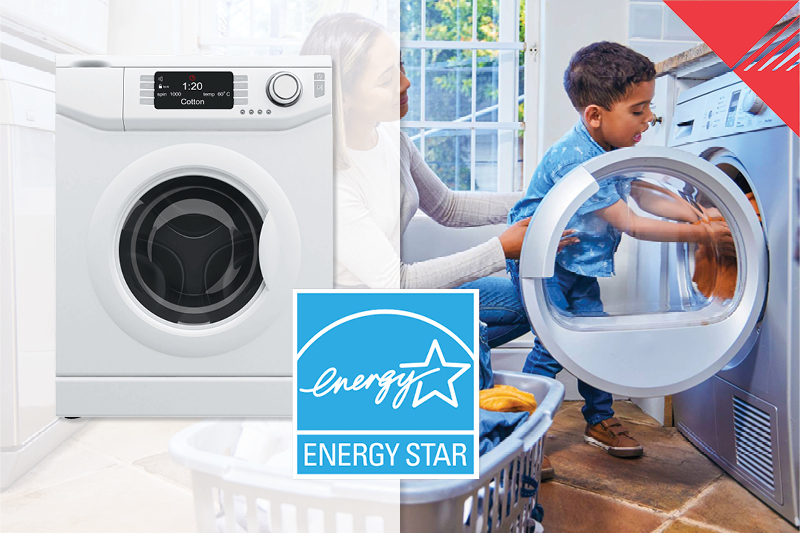
Energy Star appliances meet EPA efficiency standards, using 10–30% less power than conventional models, which can lower bills and emissions, but the higher purchase price means consumers must weigh long‑term savings against upfront costs.
Quick Answer
Energy Star appliances are certified by the U.S. EPA and DOE to consume 10–30% less electricity than comparable non‑certified models. This reduction translates into lower household utility bills and fewer greenhouse‑gas emissions over the product’s lifespan. For most U.S. families, the cumulative savings typically exceed the price premium within 5–10 years, assuming average usage and stable electricity rates. Uncertainties such as regional electricity prices, usage intensity, and future rate changes can shift the exact payback period.
Key Takeaways
- Energy Star appliances use 10–30% less electricity than non‑certified equivalents.
- Average payback periods range from five to ten years, depending on usage and local electricity costs.
- Reduced electricity demand cuts CO₂ emissions, equivalent to removing millions of cars from the road.
- Higher upfront prices can be a barrier for low‑income households.
- Proper operation—eco‑cycles, regular maintenance, and right‑sizing—maximises savings.
What Is Are Energy Star Appliances a Rip‑Off or a Smart Investment??
The question asks whether appliances bearing the Energy Star label represent a false promise of savings (a “rip‑off”) or a financially and environmentally sound purchase (a “smart investment”). Energy Star is a voluntary labeling program administered by the U.S. Environmental Protection Agency (EPA) and the Department of Energy (DOE). It certifies products that meet or exceed specific energy‑efficiency criteria, which are updated roughly every three years to reflect technological progress. The label appears on refrigerators, dishwashers, washing machines, dryers, air‑conditioners, and other household devices. Unlike vague “energy‑efficient” marketing claims, the Energy Star label is based on standardized laboratory testing and periodic market monitoring.
How Does It Work?
Certification Process
- Standard Development: EPA and DOE set minimum efficiency thresholds for each product category, typically requiring 10–30% lower energy use than the baseline set by the DOE.
- Testing: Manufacturers submit product samples to independent labs that follow EPA‑approved protocols (e.g., IEC 62301 for standby power).
- Verification: EPA reviews test results; only products that meet or exceed the thresholds receive the Energy Star label.
- Market Monitoring: The program conducts periodic surveillance and can revoke certification if a product’s performance falls short.
Once certified, the appliance’s annual energy consumption is expressed in kilowatt‑hours (kWh) per year, allowing consumers to estimate operating costs by multiplying by local electricity rates.
What Does the Evidence Show?
Multiple independent data streams confirm that Energy Star appliances reduce residential electricity use. The EPA’s 2021 ENERGY STAR® Program Report, which analysed utility billing data from 2010‑2020, estimated that certified appliances saved 1.2 quads of electricity—about 1.3 % of U.S. residential consumption (EPA, 2021). A systematic review published in *Energy Policy* (2020) examined 45 peer‑reviewed studies and reported average electricity savings of 12 % for refrigerators and 15 % for washing machines, with variation linked to climate zone and usage intensity.
Long‑term monitoring by Lawrence Berkeley National Laboratory found that a typical Energy Star refrigerator purchased in 2015 saved roughly $120 per year in electricity costs for a household with an average electricity price of $0.13 /kWh (2020). Over a 12‑year lifespan, that equals $1,440 in savings, comfortably exceeding the typical $200–$300 price premium reported by major retailers.
Main Causes or Drivers
Regulatory Standards
Federal efficiency standards push manufacturers to adopt technologies such as variable‑speed compressors, improved insulation, and inverter‑driven motors to meet Energy Star thresholds.
Consumer Demand
Growing awareness of climate change and rising electricity bills increase market demand for certified products, encouraging broader adoption.
Technological Advances
Sensor‑driven load‑size detection, smart thermostats, and water‑saving spray arms enable higher efficiency without sacrificing performance.
Environmental and Human Impacts
Environmental Impacts
Reduced electricity demand lessens the need for fossil‑fuel generation, cutting CO₂ emissions. EPA estimates that Energy Star appliances avoided roughly 100 million metric tons of CO₂‑equivalent emissions between 2010 and 2020—comparable to removing about 22 million passenger‑vehicle trips from the road.
Human Health and Social Impacts
Lower emissions improve air quality, which is linked to reduced rates of asthma and other respiratory conditions in densely populated areas (U.S. EPA, 2020). Households that save on utility bills can reallocate funds to other essential expenses, easing financial stress for low‑income families.
Economic and Infrastructure Impacts
By smoothing peak‑load demand, Energy Star appliances can defer investments in new power‑plant capacity and grid upgrades, yielding system‑wide cost savings.
Regional Differences
Energy savings vary across climate zones because heating and cooling loads differ. In hot, humid regions such as the Southeast United States, Energy Star air‑conditioners can cut electricity use by up to 30 %, while in cooler northern states savings are typically 15–20 %. Electricity rates also differ markedly; the U.S. Energy Information Administration reported average residential rates ranging from $0.09 /kWh in Louisiana to $0.31 /kWh in Hawaii (2022). Consequently, the payback period for an Energy Star dryer in Hawaii may be as short as three years, whereas the same model in Louisiana could require eight years.
What Scientists Know With High Confidence
What Scientists Know With High Confidence
- Energy Star appliances consume significantly less electricity than comparable non‑certified models.
- Widespread adoption reduces national residential electricity demand and associated CO₂ emissions.
- The certification program’s testing and verification procedures are transparent and regularly updated.
- Long‑term utility data show that average household savings outweigh typical price premiums over a product’s lifespan.
What Remains Uncertain
What Remains Uncertain
Key uncertainties include the exact magnitude of savings for households with atypical usage patterns (e.g., large families or frequent high‑temperature washes), future electricity price trajectories, and the durability of efficiency‑enhancing components over extended lifespans. Ongoing field studies that combine smart‑meter data with appliance‑level monitoring are needed to refine payback estimates for diverse consumer segments.
Common Misconceptions
Common Misconceptions
Misconception: All Energy Star appliances are cheaper to buy.
Reality: Certified models often carry a price premium of 5–15 % because of advanced components and testing costs.
Misconception: The label guarantees maximum savings regardless of use.
Reality: Savings depend on user behavior; running a dishwasher on a “normal” cycle instead of an “eco” cycle can reduce expected savings by 30–40 %.
Misconception: Energy Star standards never change.
Reality: The EPA updates efficiency thresholds roughly every three years, meaning older certified products may be less efficient than newer ones.
Solutions and Limitations
Energy Star certification is a proven market‑based solution for reducing residential electricity demand, but it is not a panacea.
- Upfront Cost Barrier: Higher purchase prices can deter low‑income consumers, potentially widening energy‑cost inequities.
- Behavioral Gap: Without user education, households may not select the most efficient operating modes, eroding potential savings.
- Technology Plateau: As efficiency gains approach physical limits, future savings will rely more on system‑wide measures such as demand‑response programs and grid modernization.
What Individuals, Communities, and Governments Can Do
What Individuals Can Do
- Choose Energy Star appliances that match household size and usage frequency.
- Operate appliances on eco‑cycles, use load‑size sensors, and perform regular maintenance (e.g., cleaning refrigerator coils).
- Take advantage of utility rebates or tax credits that offset the higher upfront cost.
What Communities and Organizations Can Do
- Implement bulk‑purchase programs that negotiate lower prices for certified appliances.
- Provide workshops on optimal appliance use and maintenance.
- Integrate Energy Star criteria into public‑housing procurement policies.
What Governments Can Do
- Maintain and tighten EPA efficiency standards to keep the label meaningful.
- Offer targeted subsidies or tax credits for low‑income households purchasing Energy Star products.
- Fund longitudinal studies that track real‑world performance across climate zones.
Closing Synthesis
Energy Star appliances deliver measurable electricity savings and greenhouse‑gas reductions, confirming their status as a smart investment for most consumers when viewed over the product’s lifespan. High‑confidence evidence supports their efficiency advantage, while uncertainties around usage patterns and future electricity prices suggest that individual payback calculations are advisable. By pairing informed purchasing with proper operation and supportive policies, households can enjoy lower utility bills, reduced environmental footprints, and broader societal benefits.
Frequently Asked Questions
What does the Energy Star label mean for appliances?
The Energy Star label indicates that an appliance meets EPA and DOE efficiency standards, using 10–30% less electricity than comparable non‑certified models, based on standardized laboratory testing.
How much can I expect to save on electricity with an Energy Star refrigerator?
A typical Energy Star refrigerator saves about $120 per year in electricity costs for a household with an average rate of $0.13/kWh, according to Lawrence Berkeley National Laboratory monitoring.
How long does it typically take to recoup the higher upfront cost of an Energy Star appliance?
Payback periods usually range from five to ten years, depending on the appliance type, local electricity rates, and usage patterns, with many families seeing savings exceed the price premium within that window.
Are there regional factors that affect Energy Star savings?
Yes. Climate influences cooling and heating loads, and electricity rates vary widely across states; for example, humid regions see up to 30% savings on air‑conditioners, while lower electricity rates in some states extend the payback period.
What steps can I take to maximise the efficiency of my Energy Star appliances?
Use eco‑cycles, run appliances with full loads, keep refrigerator coils clean, perform regular maintenance, and take advantage of utility rebates or tax credits to offset the initial price premium.








Leave a Comment