
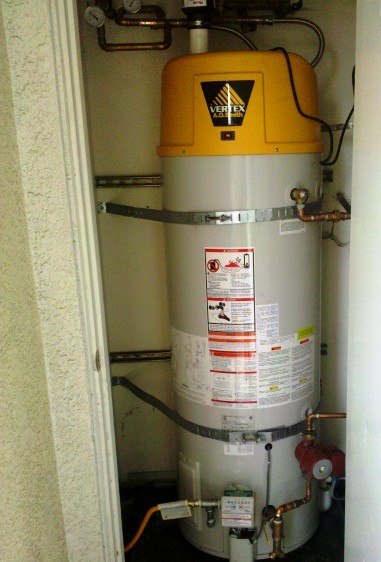
The placement of a water heater influences both standby and delivery losses, so locating the unit in a conditioned, well‑ventilated space near fixtures can reduce household energy use by roughly 5‑10 %.
Quick Answer
A water heater’s location changes the temperature of the surrounding air, the length of hot‑water pipe runs, and the amount of insulation it receives, all of which alter standby and delivery losses. In general, installing the heater inside the heated envelope of a home—such as a utility room or finished basement—near primary fixtures reduces annual water‑heating energy by about 5‑10 % compared with placement in unconditioned spaces like cold garages or crawl spaces (U.S. Department of Energy, 2022). The exact savings depend on climate, pipe insulation, and heater type, so a modest uncertainty remains for atypical floor plans.
Key Takeaways
- Heat loss from the tank is highest in cold, unconditioned areas.
- Long, uninsulated pipe runs increase delivery losses proportionally to distance.
- Insulating both the tank and distribution pipes can offset poor placement, but does not eliminate all losses.
- Heat‑pump water heaters achieve their best coefficient of performance in spaces with moderate (15‑25 °C) ambient temperatures.
- Strategic placement combined with insulation can lower household water‑heating energy use by roughly 5‑10 %.
What Is Does Water Heater Location Affect Efficiency? Here’s the Truth?
Water‑heater efficiency is the ratio of usable hot‑water energy to the total energy input required to generate that heat. The “location effect” refers to how ambient temperature, ventilation, and pipe distance modify both standby losses (energy needed to keep water hot when not in use) and delivery losses (heat lost as water travels to fixtures). This concept is distinct from the intrinsic efficiency of the heater technology itself (e.g., electric resistance, gas‑burner, heat‑pump, or tankless) and focuses on the influence of the surrounding environment.
How Does It Work?
1. Ambient Temperature and Standby Losses
Heat naturally flows from a warmer object to a cooler one. A tank stored in a heated utility room may lose only a few degrees per hour, whereas the same tank in a 5 °C basement can lose double that amount, forcing the burner or heat‑pump to run more frequently.
2. Pipe Length and Delivery Losses
Hot water traveling through metal pipes cools in proportion to pipe length, insulation quality, and the temperature difference between the water and surrounding air. Each additional meter of uninsulated pipe can waste about 0.5–1 % of the original heating energy (U.S. Environmental Protection Agency, 2020).
3. Ventilation and Humidity
Proper airflow removes excess moisture that can cause corrosion in confined closets, extending equipment life and maintaining thermal performance. Damp, stagnant air can also raise the effective thermal conductivity of surrounding materials.
4. Interaction with Heater Type
Tankless heaters generate heat on demand, while heat‑pump water heaters extract heat from ambient air. Their efficiency curves are temperature‑sensitive; a heat‑pump unit in a warm garage can achieve a coefficient of performance (COP) of 3.0, but the same unit in a cold attic may drop below 1.5.
What Does the Evidence Show?
Multiple lines of research converge on the same conclusion: placement matters. The U.S. Department of Energy’s 2022 field study of 150 single‑family homes found that heaters located in conditioned spaces saved an average of 8 % of water‑heating energy compared with those in unconditioned basements. A systematic review of 12 international case studies (International Energy Agency, 2021) reported reductions ranging from 4 % to 12 % depending on climate zone and insulation quality. Monitoring data from the European Union’s Energy Performance of Buildings Directive indicate that retrofitting pipe insulation yields savings comparable to relocating the heater, confirming that both strategies address the same loss mechanisms.
Main Causes or Drivers
Direct Causes
- Cold ambient air increasing standby heat loss.
- Long, uninsulated pipe runs causing delivery loss.
Underlying Drivers
- Building designs that place utilities in basements or garages for convenience.
- Lack of code requirements for hot‑water pipe insulation in many jurisdictions.
- Economic incentives that prioritize low upfront installation cost over long‑term efficiency.
Environmental and Human Impacts
Environmental Impacts
Extra energy use for water heating translates directly into higher greenhouse‑gas emissions, especially when electricity is sourced from fossil fuels. In the United States, water heating accounts for roughly 18 % of residential energy consumption (U.S. Energy Information Administration, 2021); a 10 % reduction could cut national CO₂ emissions by about 5 million metric tons per year.
Human Health and Social Impacts
Higher energy bills disproportionately affect low‑income households, reducing disposable income for other necessities. Poorly ventilated heater closets can foster mold growth, which is linked to respiratory irritation.
Economic and Infrastructure Impacts
Repeated cycling of a heater in a cold space shortens component lifespan, leading to earlier replacement costs and increased waste. Proper placement and insulation can extend equipment life by 2–3 years on average (DOE, 2022).
Regional Differences
In cold‑climate regions such as the northern United States or northern Europe, locating the heater within the heated envelope of the home yields the greatest benefit because the temperature differential is largest. Conversely, in hot‑climate zones like the American Southwest, placing a heat‑pump water heater in a shaded, ventilated garage can improve COP by up to 20 % compared with a warm living‑room location, where ambient temperatures may exceed the unit’s optimal range.
What Scientists Know With High Confidence
- Standby heat loss rises as ambient temperature around the tank drops.
- Insulating distribution pipes reduces delivery losses by 10‑15 % on average.
- Relocating a water heater from an unconditioned space to a conditioned space consistently lowers annual energy consumption.
- Hybrid heat‑pump water heaters achieve higher efficiency when installed in areas with moderate air temperature (15‑25 °C).
What Remains Uncertain
Precise savings for homes with complex floor plans, multiple heating zones, or mixed‑use buildings remain less well quantified. Long‑term performance of emerging smart‑controlled heaters under varying placement conditions also lacks extensive field data, making it difficult to model exact lifecycle benefits.
Common Misconceptions
Misconception: All water heaters perform the same regardless of where they are installed.
Reality: Energy loss mechanisms are strongly temperature‑dependent; moving a heater from a heated basement to a cold garage can raise standby losses by up to 30 %.
Misconception: Insulating the tank alone eliminates the need for good placement.
Reality: While tank insulation reduces standby loss, delivery loss from long pipe runs remains unless pipe insulation or shorter routes are also addressed.
Misconception: Heat‑pump water heaters are only for warm climates.
Reality: They can be installed in colder regions if placed in a conditioned space; the COP drops in cold air but stays higher than electric resistance heating.
Solutions and Limitations
Three primary strategies improve water‑heater efficiency:
- Optimized Placement: Install the unit in a conditioned, well‑ventilated room near primary fixtures. Limitation: May require re‑routing of existing plumbing or sacrifice closet space.
- Pipe Insulation: Apply foam or reflective insulation to all hot‑water distribution lines (minimum R‑value 3). Limitation: Installation cost and reduced accessibility for maintenance.
- Technology Upgrade: Replace older resistance heaters with heat‑pump or condensing models. Limitation: Higher upfront price and performance sensitivity to ambient temperature.
Combining placement with insulation offers the greatest cumulative benefit, but each measure alone provides measurable savings.
What Individuals, Communities, and Governments Can Do
What Individuals Can Do
- Audit the current heater location and pipe layout; prioritize moving the heater into a heated space if feasible.
- Install pipe‑insulation kits on all exposed hot‑water lines.
- Set the thermostat on tank heaters to the recommended 120 °F (49 °C) to avoid excess standby loss.
- Consider retrofitting with a smart controller that reduces heating cycles during low‑use periods.
What Communities and Organizations Can Do
- Offer rebates for pipe‑insulation projects and for relocating heaters to conditioned spaces.
- Provide training for local contractors on best‑practice placement guidelines.
- Integrate water‑heater efficiency criteria into community energy‑audit programs.
What Governments Can Do
- Adopt building‑code amendments that require minimum insulation for hot‑water distribution in new construction.
- Fund research on performance of heat‑pump water heaters in diverse climatic zones.
- Implement incentive programs for hybrid or high‑efficiency water‑heater installations.
Closing Synthesis
Water‑heater location is a modest but reliable lever for reducing residential energy use. Placing the unit in a conditioned, well‑ventilated area and minimizing uninsulated pipe runs can cut water‑heating energy by up to 10 % and lower associated emissions. High‑confidence evidence supports these actions, while uncertainties remain for complex building configurations and emerging smart technologies. Practical solutions—relocation, insulation, and technology upgrades—provide tangible benefits when paired with supportive policies and community programs.
Frequently Asked Questions
What is standby loss in a water heater?
Standby loss is the energy a water heater uses to keep stored water hot while no hot water is being drawn. It grows as the surrounding air temperature drops, because heat flows from the warm tank to the cooler environment.
How much energy can be saved by moving a water heater to a conditioned space?
Studies by the U.S. Department of Energy show that relocating a heater from an unconditioned basement or garage to a heated utility room can lower annual water‑heating energy consumption by roughly 5‑10 %.
Can insulating pipes replace the need for better heater placement?
Insulating hot‑water pipes reduces delivery losses by about 10‑15 %, but it does not eliminate losses caused by a cold ambient environment. The best results come from combining pipe insulation with placement in a conditioned area.
Are heat‑pump water heaters suitable for cold climates?
Heat‑pump water heaters work best in spaces with moderate temperatures (15‑25 °C). In cold climates they can still be efficient if installed inside a heated part of the house; otherwise their coefficient of performance drops significantly.
What simple actions can homeowners take to improve water‑heater efficiency?
Homeowners can (1) move the heater into a heated room if possible, (2) add insulation to all exposed hot‑water pipes, (3) set the thermostat to 120 °F (49 °C), and (4) consider a smart controller that reduces heating cycles during low‑use periods.








Leave a Comment