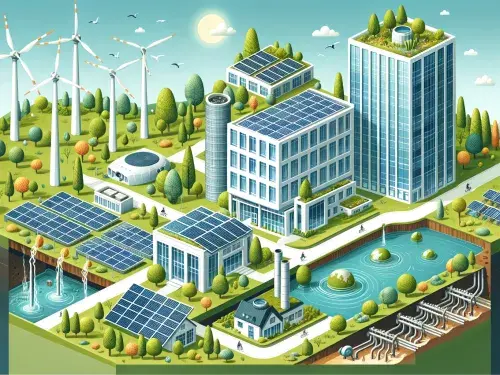
As the world grapples with the pressing realities of climate change and its far-reaching ramifications, the importance of innovative energy solutions in building design cannot be overstated. A pivotal aspect of this transformation lies in the concept of climate-smart buildings—structures meticulously engineered to minimize their ecological footprint while maximizing comfort and efficiency. But what if traditional approaches can be swept aside in favor of groundbreaking technologies? Are we ready to embrace these novel solutions, or do we linger in our comfort zones, resistant to change?
In this exploration, we delve into seven pioneering energy solutions that are not just revolutionizing the construction landscape but are also redefining how we perceive our relationship with the environment. Are these innovations a panacea for our environmental woes, or do they merely scratch the surface? Let’s uncover these transformative technologies.
1. Solar Energy Integration
Solar panels have become synonymous with renewable energy, but the evolution of photovoltaic technology is taking residential and commercial buildings to new heights. No longer confined to rooftops, building-integrated photovoltaics (BIPV) seamlessly merge into the architecture itself. Facades adorned with solar glass not only generate clean energy but also serve aesthetic purposes. Imagine walking into a skyscraper where every surface contributes to energy generation. The challenge, however, lies in optimizing efficiency and cost-effectiveness. As we embrace these systems, can we strike a balance between aesthetics and energy production that satisfies both architects and building occupants?
2. Wind Energy Harnessing
Wind energy is not a new concept, but its application in urban settings is gaining traction. Vertical axis wind turbines (VAWTs) are particularly suitable for buildings, as they can be installed in confined spaces without significant noise or aesthetics disruptions. These compact systems capture wind from any direction, providing a constant source of renewable energy. Yet, the success of VAWTs hinges on the architectural foresight and local zoning regulations. Will cities adopt the necessary policy changes to accommodate wind technology, and how receptive will the public be to this innovative addition to their skyline?
3. Heat Recovery Ventilation (HRV)
In the pursuit of optimal indoor air quality without sacrificing energy efficiency, Heat Recovery Ventilation systems take center stage. These systems recover heat from stale indoor air and transfer it to incoming fresh air, significantly reducing heating costs while ensuring a continuous supply of oxygen-rich air. The implementation of HRV systems poses an intriguing proposition: as air quality awareness rises globally, will architects prioritize these systems in their designs? Furthermore, will occupants recognize the vital role these systems play in their comfort and health, prompting greater demand for climate-smart technologies?
4. Geothermal Energy Utilization
While some innovations soar towards the sky, others delve deep into the earth. Geothermal energy systems utilize the earth’s stable underground temperatures to provide efficient heating and cooling. Buildings equipped with geothermal heat pumps can significantly reduce their reliance on fossil fuels. However, the high upfront costs and site-specific limitations can deter potential adopters. As more cities consider geothermal solutions for district heating, one must ponder: will public investment in geothermal energy pave the way for wider acceptance and implementation in private developments?
5. Smart Grid Technology
In an age where connectivity defines our everyday experiences, the integration of smart grid technology into buildings is a game-changer. These advanced systems facilitate real-time monitoring and management of energy consumption, allowing occupants to modify usage based on availability and pricing. The allure lies in their potential to democratize energy management, empowering users with the knowledge and tools necessary to make informed decisions. However, a fundamental question arises: are we prepared to relinquish some degree of control to technology, trusting it to optimize our energy use while safeguarding our privacy?
6. Biophilic Design Principles
Biophilic design champions our innate desire to connect with nature, boldly asserting that incorporating natural elements within built environments can enhance well-being while improving energy efficiency. From living walls to strategically placed windows that maximize natural light, these design elements boost morale and reduce reliance on artificial resources. Yet, the challenge remains: can architects and designers craft harmonious spaces that respect ecological balances and promote biodiversity? As cities become increasingly urbanized, ensuring these principles are thoughtfully integrated will be crucial to fostering resilient habitats.
7. Energy Storage Innovations
The transition to renewable energy sources often poses the dilemma of intermittent supply. Energy storage innovations, particularly advanced battery systems, are crucial in this context. From large-scale community storage to small residential units, these technologies enable the smooth integration of renewable resources into the existing grid. However, the question looms: as we move towards a more decentralized energy system, will communities invest in these storage solutions, or will financial barriers hamper their widespread adoption? The answer may well lie in collaborative initiatives that forge partnerships between governments, businesses, and residents.
As we stand at the crossroads of invention and responsibility, it’s clear that the transition toward climate-smart buildings is not merely a possibility—it is an imperative. The energy solutions highlighted here promise to reshape our built environment, fostering sustainability and resilience that will ripple through generations. Yet, the path is fraught with questions and challenges. It is incumbent upon us all—designers, policymakers, and citizens alike—to engage earnestly in this dialogue, championing solutions that harmonize the demands of development with the imperatives of a fragile planet. Will we rise to the occasion, or will we allow inertia to dictate our future?









Leave a Comment